In Indiana, dash cams are legal if you follow mounting rules, such as placing the device in the lower passenger-side corner without blocking your view or safety features. You can record audio with one-party consent, meaning your voice suffices, but recording private conversations without permission could violate privacy laws. To stay compliant, guarantee proper installation and respect others’ privacy. Keep investigating these rules to fully understand what’s required and how to stay within legal boundaries.

Get business pricing on garage and car supplies
- Business-only prices and quantity discounts
- Tax-exempt purchasing
- Multiple users, one account, clear invoices
Key Takeaways
- Dash cams are legal in Indiana if mounted properly and do not obstruct the driver’s view.
- Mount the device in the lower passenger-side windshield corner within a 4-inch square limit.
- Indiana law permits audio recording with the driver’s consent, but recording private conversations without consent may violate wiretap laws.
- Recording on private property without owner permission can infringe on privacy laws; avoid private areas without consent.
- Regularly verify that the dash cam does not block airbags, mirrors, or safety features to ensure safe operation.
As an affiliate, we earn on qualifying purchases.
Legal Status of Dash Cams in Indiana
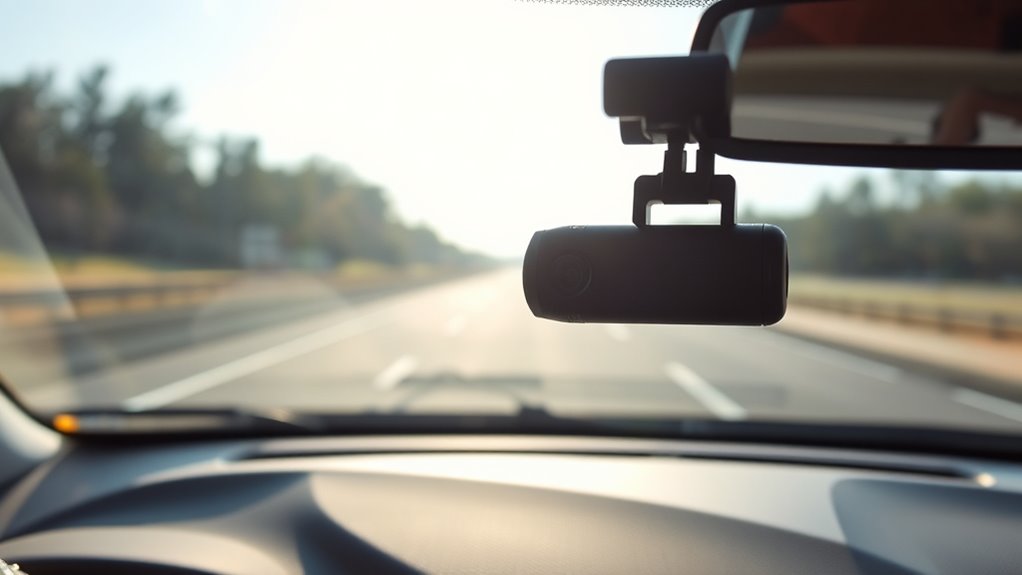
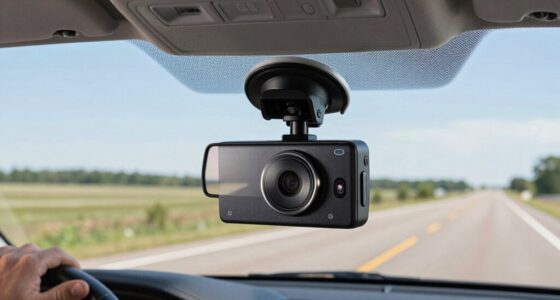
Dash cams are legal to use in private vehicles in Indiana, but you must follow certain rules to stay compliant. You can mount your dash cam on the dashboard or windshield as long as it doesn’t obstruct your view or violate laws against nontransparent materials. The windshield-mounted device must stay within four square inches in the lower passenger-side corner, placed farthest from the driver. Both mounting options are permitted if they don’t reduce visibility or create unsafe obstructions. Courts in Indiana accept dash cam footage as evidence when collected lawfully and without obstructing the vehicle’s view. Remember, law enforcement dash cams are governed separately, and private use isn’t covered by police recording policies. Staying within these guidelines helps ensure your dash cam use remains legal. Additionally, Indiana law permits the use of dash cams provided they do not interfere with the driver’s ability to operate the vehicle safely, especially considering state regulations regarding vehicle modifications and safety standards. It’s also advisable to be aware of privacy laws related to recording audio or video inside and outside your vehicle to avoid potential legal issues. Understanding legal evidence standards helps in ensuring that your dash cam footage is admissible in court if needed, particularly regarding lawful recording practices. Being informed about wave and wind considerations can help in selecting the right equipment that doesn’t interfere with vehicle operation or violate any audio recording restrictions.
As an affiliate, we earn on qualifying purchases.
Mounting Requirements and Restrictions
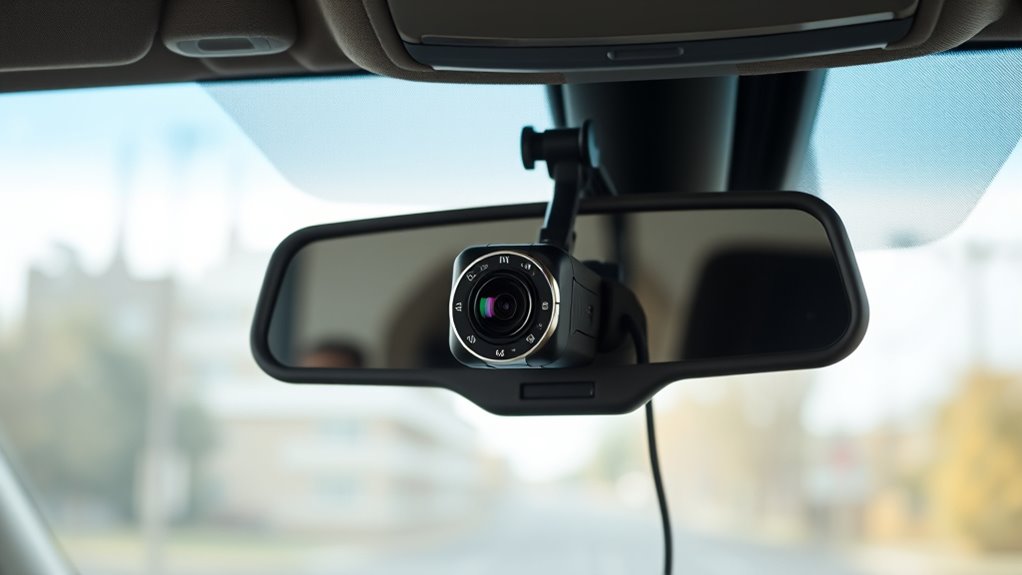
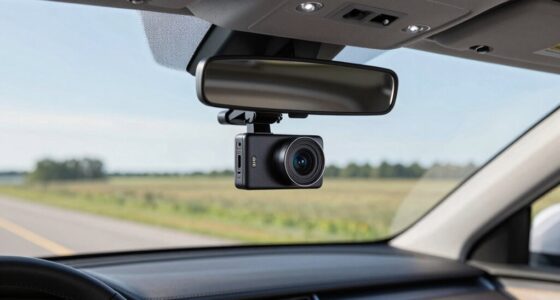
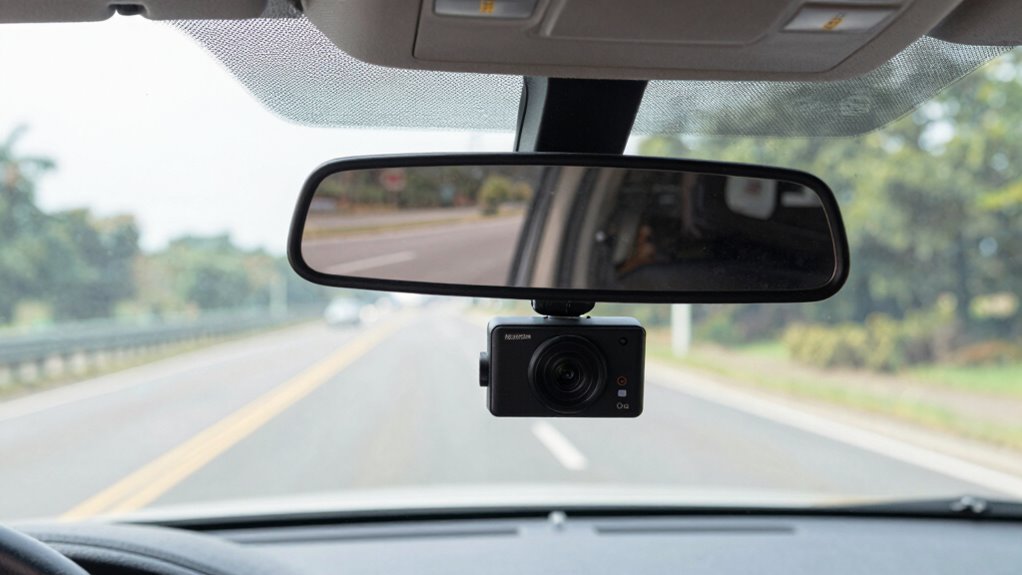
To stay compliant with Indiana laws, you must carefully choose where to mount your dash cam, as there are specific restrictions on placement. You can mount the device on the windshield only in the lower passenger-side corner, with a maximum size of 4 inches square. Dashboard mounting is allowed if it doesn’t obstruct your view or cause glare. Avoid mounting in locations that block your clear sightlines, interfere with mirrors, or hinder your ability to check blind spots. Devices with protruding edges should have rounded or covered corners for safety. Secure the camera properly to prevent dislodgement, and route cables so they don’t impair your movement or access to controls. Proper installation following manufacturer instructions helps ensure you stay within legal limits and reduce liability. Additionally, ensure your dash cam does not distract you while driving, as distracted driving laws are enforced in Indiana. Making sure your device is mounted in a safe and legal position can help prevent accidental violations and enhance overall driving safety. It’s also important to regularly check your vehicle’s interior space, including the placement of your dash cam and wiring, to avoid any mounting issues that could interfere with your driving. Properly installing your dash cam following manufacturer instructions is essential for both compliance and safety. Keeping the dash cam’s placement within legal and safe bounds also minimizes potential liability should an incident occur. Being aware of state-specific regulations on device placement can further help in maintaining compliance and avoiding penalties.
dash cam with 4 inch square mounting
As an affiliate, we earn on qualifying purchases.
As an affiliate, we earn on qualifying purchases.
Audio Recording Laws and Consent
In Indiana, operating a dash cam with audio recording is legal because the state follows one-party consent laws, meaning only one person involved in a conversation needs to agree for the recording to be lawful. As the driver, your consent counts when setting up or operating the dash cam, so you don’t need permission from passengers or others in public. If you’re involved in a conversation, your participation fulfills the consent requirement. Audio recordings made with one-party consent are admissible in court and legal claims, provided they meet authentication standards. Keep in mind, recording private conversations without consent could violate wiretap laws, especially if you covertly record. To stay compliant, consider informing passengers or disabling audio when consent isn’t obtained. Understanding wiretap laws is essential for lawful recording. Being aware of cultural norms regarding privacy can also help in avoiding unintentional violations. Additionally, knowing the specific requirements for audio recording can help you ensure your dash cam setup remains within legal boundaries. It’s also advisable to stay informed about technological capabilities that may impact your recording practices. Knowing the penalties for illegal recording can help you understand potential legal consequences. Furthermore, understanding audio recording regulations can help you navigate complex privacy laws more effectively.
As an affiliate, we earn on qualifying purchases.
Privacy Considerations for Dash Cam Footage
Understanding privacy considerations is essential when using dash cams, especially given Indiana’s laws on surveillance and recording. You should avoid placing cameras or surveillance devices on private property without owner or tenant consent, as this could lead to criminal charges. Recording private areas or private acts without permission may violate voyeurism and unlawful photography laws, with penalties increasing if footage is shared or transmitted. Inside your vehicle, dash cam footage of public spaces is generally lawful, but recording private spaces or private acts can breach privacy rights. Be mindful of where you mount your camera; an obstructive or unsafe installation can also impact the legality and admissibility of footage. Always respect others’ privacy and ensure your recording practices align with Indiana’s statutes to avoid legal complications. Additionally, it is important to familiarize yourself with specific laws regarding audio recording, as Indiana is a one-party consent state for recording conversations, which impacts how audio from dash cams can be legally used. Being aware of recording consent laws can help prevent violations and protect your rights when capturing footage. Moreover, understanding the privacy boundaries related to dash cam footage helps ensure you stay within legal limits and avoid potential privacy infringements. Having a clear understanding of legal guidelines can further assist in safeguarding your personal information and assets while maintaining compliance with privacy laws. Taking steps to secure your footage and control who can access it can also be crucial in respecting privacy rights.
Additional Regulations and Compliance Tips
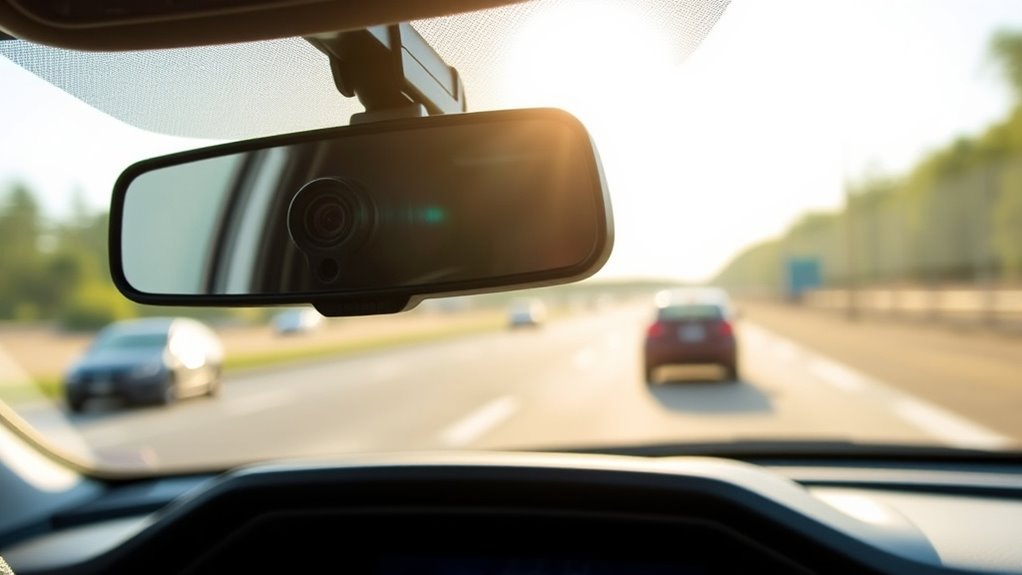
Properly complying with dash cam regulations in Indiana involves paying close attention to mounting requirements, audio recording rules, and obstruction standards. Make certain your dash cam is mounted in the bottom passenger-side corner of the windshield without blocking your view or interfering with airbags. Keep the device within the 4-inch square size limit and avoid areas swept by windshield wipers. When recording audio, remember that single-party consent applies—your own consent suffices for recordings of conversations you participate in. Test your setup to confirm it doesn’t obstruct your vision or affect vehicle operation before driving. Document your installation with photos if needed. When in doubt, consult local law enforcement to ensure your dash cam setup complies with Indiana law, helping you avoid tickets or footage inadmissibility. Understanding state-specific regulations is essential for legal and effective use of your dash cam. Additionally, being aware of privacy laws can help prevent potential legal issues related to recording others. Familiarizing yourself with recording laws can further ensure you stay within legal boundaries when capturing footage. It’s also advisable to stay updated on any changes in the dash cam statutes to maintain compliance over time. Regularly reviewing state regulations can help you adapt to new legal requirements and avoid inadvertent violations.
Frequently Asked Questions
Can I Use My Dash Cam Footage for Insurance Claims?
Yes, you can use your dash cam footage for insurance claims in Indiana. Make sure the footage is authentic, unaltered, and backed up with supporting evidence like photos or police reports. Share original files promptly with your insurer and avoid editing. Mount your camera legally, ensure clear recordings, and document details like timestamps and GPS data. This helps strengthen your claim and increases the chances of a favorable resolution.
Are There Specific Dash Cam Brands Recommended for Indiana Compliance?
You should consider brands like J.J. Keller, SmartWitness, and Lytx, which offer models designed for Indiana compliance. These systems include features like low-profile mounting, GPS tracking, AI behavior monitoring, and secure cloud storage, ensuring you meet state regulations. Opt for dash cams with configurable audio, discreet installation options, and clear evidence quality to stay compliant and protect your interests during legal or insurance procedures.
How Long Can I Legally Store Dash Cam Recordings?
Think of your dash cam as a vigilant guardian watching over your journey. You can store recordings for 30 to 90 days, unless flagged for an incident, then keep them longer. Public space footage can stay indefinitely, but private areas should be deleted sooner. Secure your data with passwords and timestamps. For legal safety, auto-delete non-essential footage and make certain proper storage practices to keep your recordings admissible in court.
Do Dash Cam Laws Differ for Commercial Versus Personal Vehicles?
Yes, dash cam laws differ for commercial and personal vehicles. Commercial vehicles often follow stricter mounting rules, like avoiding windshield obstruction and using specific locations to meet safety standards. They may also implement policies for audio recording, like requiring employee consent, and face higher penalties for violations. Personal vehicles generally have more flexible mounting options, but all drivers must guarantee their dash cam doesn’t obstruct vision or violate privacy laws.
What Penalties Apply for Mounting Violations or Obstructing Driver Vision?
Think of your dash cam as your silent guardian—if you violate mounting rules, Indiana law hits back with fines or fix‑it tickets. You risk fines under a few hundred dollars, or being ordered to remove or reposition your device. Obstructing your view can also lead to citations, and mounting outside permitted zones might cause additional penalties. Stay compliant, and keep your guardian watching without breaking the law.
Conclusion
Understanding Indiana’s dash cam laws is like steering a well-marked road—clear guidelines keep you on the right path. By following mounting rules, respecting audio consent, and safeguarding privacy, you steer clear of legal pitfalls. Think of your dash cam as a trusted witness, capturing your journey while respecting others’ rights. Stay informed and compliant, so your footage remains a helpful tool rather than a legal roadblock, ensuring your drive stays smooth and worry-free.
Fall Picks
fall essentials
As an affiliate, we earn on qualifying purchases.