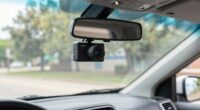
In Mississippi, you can use dash cams in your vehicle without many restrictions, but you need to mount them properly to avoid obstructing your view—preferably behind the rearview mirror or on the dashboard. You can record audio if you’re a participant in the conversation, following one-party consent rules. To stay compliant, consider privacy concerns like notifying passengers and securing recordings. Keep these guidelines in mind, and you’ll be better prepared—more details are available if you keep going.

Get business pricing on garage and car supplies
- Business-only prices and quantity discounts
- Tax-exempt purchasing
- Multiple users, one account, clear invoices
Key Takeaways
- Mississippi permits dash cams; ensure they do not obstruct the windshield or interfere with visibility.
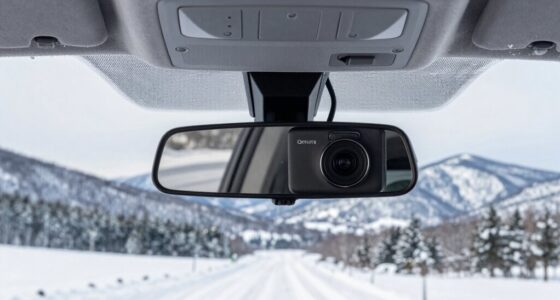
- Mount dash cams on the dashboard or behind the rearview mirror to comply with obstruction laws.
- Mississippi follows a one-party consent law for audio recording; inform passengers or disable microphones as needed.
- Properly secure and position devices to avoid distractions, citations, or safety violations.
- Keep recordings intact, protect privacy with access controls, and stay updated on privacy law changes.
As an affiliate, we earn on qualifying purchases.
Overview of Dash Cam Legality in Mississippi
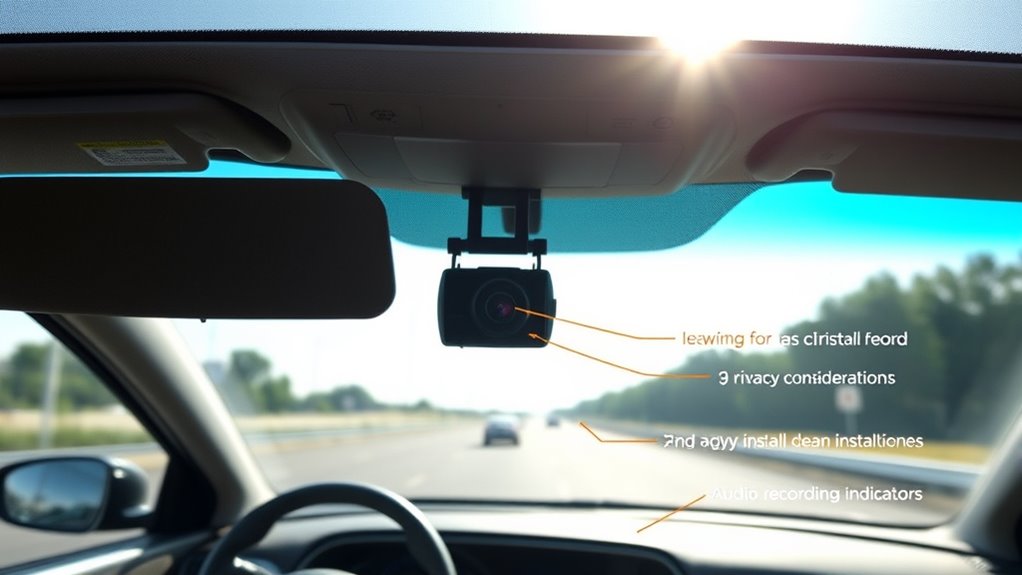
Dash cams are legal for private vehicle use in Mississippi, with no specific state laws banning their installation. The state permits the use of dash cameras, and law enforcement officials are authorized to use camera equipment in patrol cars, indicating general acceptance of in-vehicle recording devices. While no Mississippi statutes explicitly mention dash cams by name, existing laws about windshield obstructions and recording practices apply. Courts in Mississippi accept dash-cam footage as evidence if it’s lawfully obtained and relevant. Industry surveys and commercial guidance also recognize Mississippi as a state where dash cams are permitted, provided users follow placement and recording guidelines. Overall, you can install and use a dash cam without fear of violating state law, as long as you comply with obstruction and recording rules. Mississippi law does not impose specific restrictions on the size or location of dash cam mounts, further supporting their legality and ease of use. Additionally, understanding electric vehicle regulations can help ensure compliance if you choose an advanced dash cam with integrated power sources or solar charging features. It is also advisable to stay updated on privacy laws that might impact audio recording features, as these can vary by jurisdiction. Moreover, being aware of recording practices ensures that users stay within legal boundaries while capturing footage, and considering water-resistant equipment can be beneficial for durability in various weather conditions. Also, considering local regulations can help ensure your dash cam setup remains compliant in different areas within the state.
As an affiliate, we earn on qualifying purchases.
Proper Mounting Practices and Placement Options

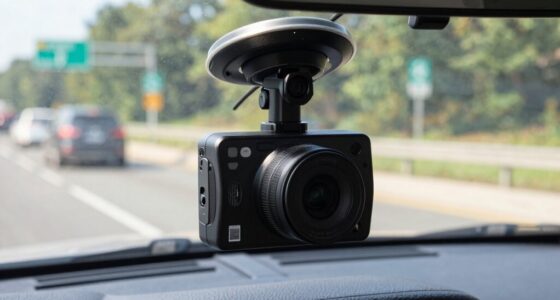
To stay compliant with Mississippi’s laws, proper mounting practices are key when installing a dash cam. The driver’s view through the windshield must remain unobstructed, and mounting on the windshield is prohibited if it blocks visibility. Avoid placing any objects or materials that could hinder your clear view. The recommended option is mounting the dash cam on the dashboard, as this ensures legal compliance and keeps the camera secure without blocking your sightline. Use low-profile mounts that firmly attach to the dashboard, preventing falls or interference with controls. Avoid placing the camera in lower corners or near the rearview mirror, especially if it risks obstructing your view. Always test your setup to confirm no visual interference, maintaining full road visibility at all times. Additionally, understanding field‑of‑view considerations helps ensure your camera captures necessary footage without impairing your view. Proper placement also reduces the risk of accidental damage during driving or cleaning. Being aware of thermal behavior is important, as high temperatures can affect the camera’s performance and durability, so choose a mounting location that minimizes heat exposure. Also, consider heat dissipation to prevent overheating in hot climates. Furthermore, selecting a location with good ventilation can help prolong your dash cam’s lifespan and maintain optimal operation.
As an affiliate, we earn on qualifying purchases.
Audio Recording Regulations and Consent Requirements
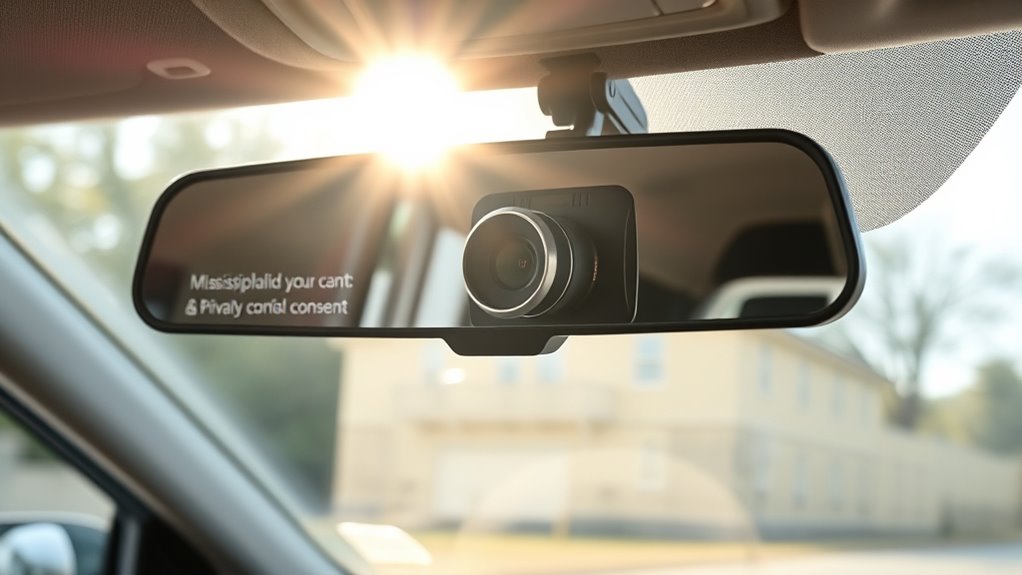
Understanding Mississippi’s audio recording laws is essential when installing a dash cam, especially since the state follows a one-party consent rule. This means you can record audio if at least one participant in the conversation agrees. For in-vehicle, in-person conversations, recording audio is lawful if you’re the driver or a participant. However, covert recordings that violate federal wiretapping laws pose legal risks, especially if you record private conversations remotely or without consent. To stay compliant, consider disabling the microphone if unsure or if passengers haven’t been informed. Posting visible notices inside vehicles or verbally informing passengers at the start of trips can help. Documenting notices and restricting audio to necessary moments strengthens your legal position and reduces disputes. Additionally, understanding wiretapping laws can help prevent unintentional legal violations related to covert recordings. Being aware of audio recording regulations and the importance of proper consent can help you stay within legal boundaries when using dash cams with audio features. Knowing the state-specific restrictions can further ensure compliance with local laws. It’s also advisable to stay informed about any updates to privacy laws to ensure ongoing adherence.
As an affiliate, we earn on qualifying purchases.
Privacy Considerations When Using Dash Cameras
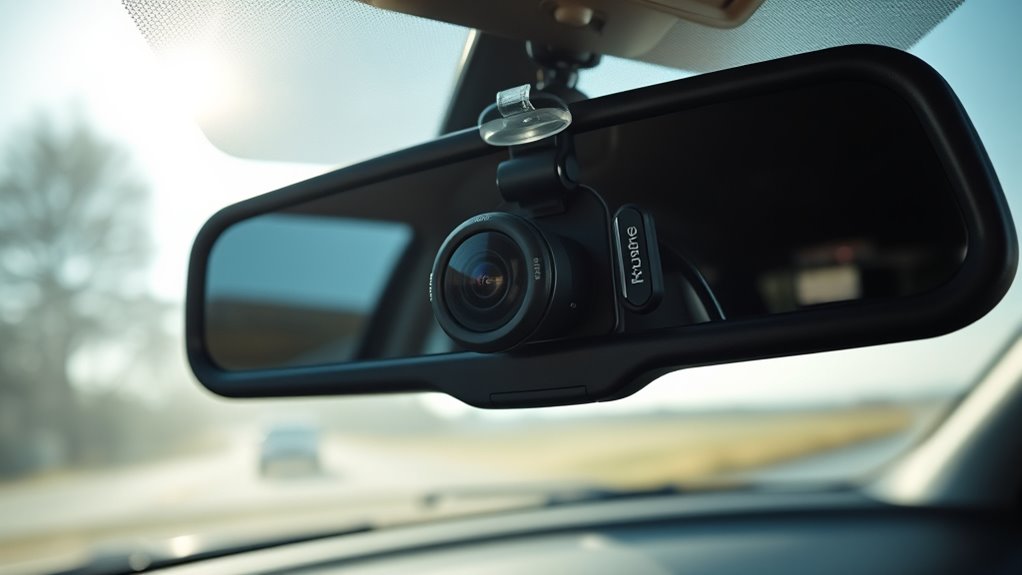
When using a dash camera, it’s important to notify passengers about the recording to respect their privacy. You should also be aware of audio recording laws, which often require consent before capturing conversations. Being transparent helps prevent legal issues and maintains trust during your drives. Additionally, state-specific privacy laws may impose further restrictions on recording audio or video in certain situations.
Passenger Notification Requirements
Passenger notification is essential when using dash cameras, as it helps guarantee privacy and legal compliance. Clear communication ensures passengers understand they may be recorded, reducing privacy concerns. Here are key points to consider:
- Use posted notices inside the vehicle indicating recording is in progress.
- Place signage near doors to alert passengers about video recording.
- Provide verbal disclosures to supplement written notices.
- Maintain consistent, simple notices to avoid confusion and reinforce awareness. Additionally, understanding privacy laws can help tailor notification practices to ensure compliance with local regulations.
While Mississippi requires only single-party consent for recordings, informing passengers proactively helps prevent misunderstandings. Although dash cam laws don’t explicitly mandate notifications, following best practices protects both your privacy expectations and legal standing. Proper notification fosters transparency and trust during vehicle operations. In some states, providing such notices can also help ensure compliance with specific privacy laws and reduce potential legal disputes. Being aware of privacy considerations is crucial for responsible dash cam use, especially regarding audio recording and how it may impact passenger rights. Additionally, understanding wave and wind conditions can influence how and when you record to ensure clarity and compliance. Implementing clear notification practices can also serve as a legal safeguard in case of disputes or audits.
Audio Recording Laws
In Mississippi, using dash cameras with audio recording capabilities involves maneuvering specific legal consent rules that protect privacy. The state generally follows a one-party consent law, meaning you can record conversations if at least one participant agrees—usually yourself if you’re in the vehicle. This makes audio recordings less likely to breach wiretapping laws, provided you’re the consenting party. However, federal laws still apply when recording interstate calls or electronic communication. To stay compliant, consider disabling the microphone when transporting nonconsenting passengers or recording private conversations. Display notices or verbally inform passengers about recording when possible. Always handle recordings responsibly: keep original files intact, avoid editing, and implement access controls. Properly managing audio helps protect your privacy rights and maintains legal admissibility. It is also important to familiarize yourself with any additional local regulations that may affect audio recording practices. Additionally, understanding the one-party consent law specific to Mississippi can help ensure you stay within legal boundaries when recording audio. Being aware of privacy considerations related to audio recording can further help you avoid unintended legal issues. Being informed about recording best practices can also support compliance and protect your rights. Moreover, staying updated on state-specific laws can prevent inadvertent violations and safeguard your recording activities. To further ensure compliance, regularly reviewing updated privacy laws can help avoid unintentional legal pitfalls.
Legal Implications and Penalties for Violations
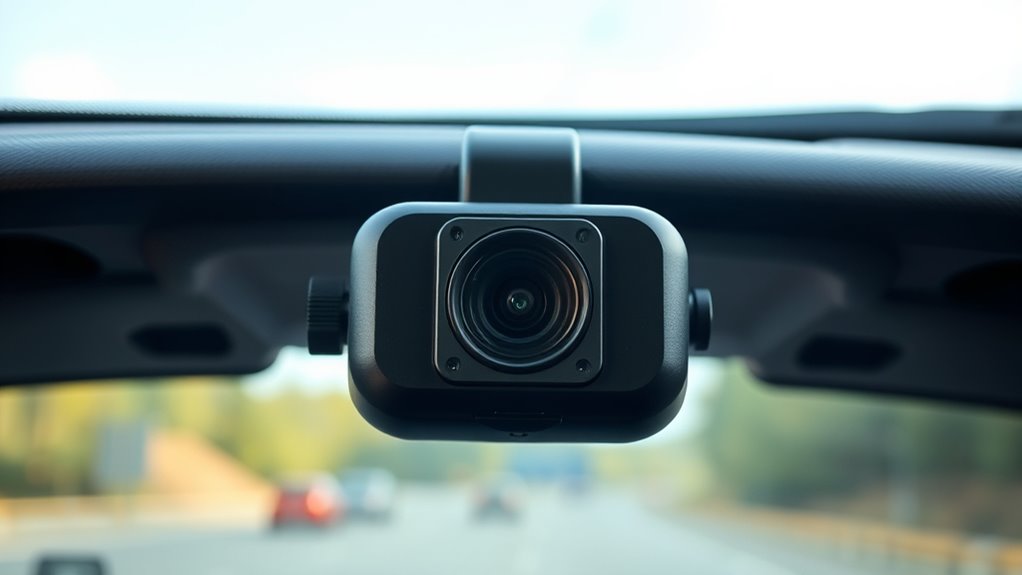
If you obstruct your windshield or windows with your dash cam, you could face fines or traffic citations for obstruction violations. Using improper mounting locations risks additional penalties and may lead to stops by law enforcement. Additionally, recording audio without proper consent can result in criminal or civil penalties, so always be aware of audio recording laws to avoid serious consequences. Furthermore, failure to comply with dash cam mounting regulations could be considered a violation of vehicle equipment standards, potentially leading to further legal issues.
Obstruction Fines and Violations
Mississippi law clearly prohibits placing objects or materials on your windshield or windows if they obstruct your view, forming the basis for obstruction citations. If an officer determines your dash cam or other items block your visibility, you could face fines or orders to remove or reposition the device. Penalties typically involve fines in the low-to-mid hundreds of dollars, with additional court costs adding to the total. Repeat violations may lead to higher fines or doubled penalties. In some cases, obstruction violations can escalate into criminal charges, especially if paired with other offenses like interference with law enforcement or safety hazards. Remember, enforcement relies on officer discretion and local ordinances, which can vary across jurisdictions. Proper mounting and placement are essential to avoid violations and ensure safe driving. Additionally, understanding security zone info can help you make informed decisions about device placement and safety measures to prevent unintentional violations. For example, selecting appropriate locations for mounting your dash cam can significantly reduce the risk of obstruction and subsequent penalties.
Mounting Non-Compliance Risks
Mounting a dash cam or other devices improperly can lead to serious legal consequences, including fines, points on your driving record, and potential criminal charges. Mississippi law prohibits anything that obstructs or reduces your clear view of the roadway, and improper placement can result in citations. Courts often uphold citations if footage shows your device materially impairs sight, making proper mounting *essential* for evidence admissibility. Additionally, mounting that interferes with airbags or safety systems can violate vehicle safety rules, risking liability and insurance issues if injuries occur. Proper installation ensures your device remains compliant and avoids unintended legal complications. Poor documentation or tampering with footage can also weaken your case if challenged in court. Repeated violations or mounting that violates safety regulations may escalate penalties, emphasizing the importance of correct device placement to avoid legal and financial risks. Ensuring your dash cam is mounted in accordance with vehicle safety regulations minimizes the chance of encountering penalties or issues with insurance claims. Regularly reviewing device positioning helps ensure ongoing compliance and safety.
Audio Recording Penalties
Unauthorized audio recording with a dash cam can lead to serious legal consequences, including criminal charges and civil penalties. If you illegally intercept communications, you could face a misdemeanor with up to one year in jail and a $10,000 fine. Disclosing intercepted content may result in a felony charge with up to five years imprisonment and a $10,000 fine. Violating hidden camera laws can carry up to five years in prison and a $5,000 fine, with harsher penalties if a child under 16 is involved. Federal violations could add five years to your sentence and fines up to $250,000.
Penalties include:
- Criminal charges for interception and disclosure.
- Civil damages for victims, including punitive costs.
- Evidence exclusion from court.
- Fines or jail for unauthorized disclosure or deletion.
Tips for Staying Compliant With Mississippi Laws
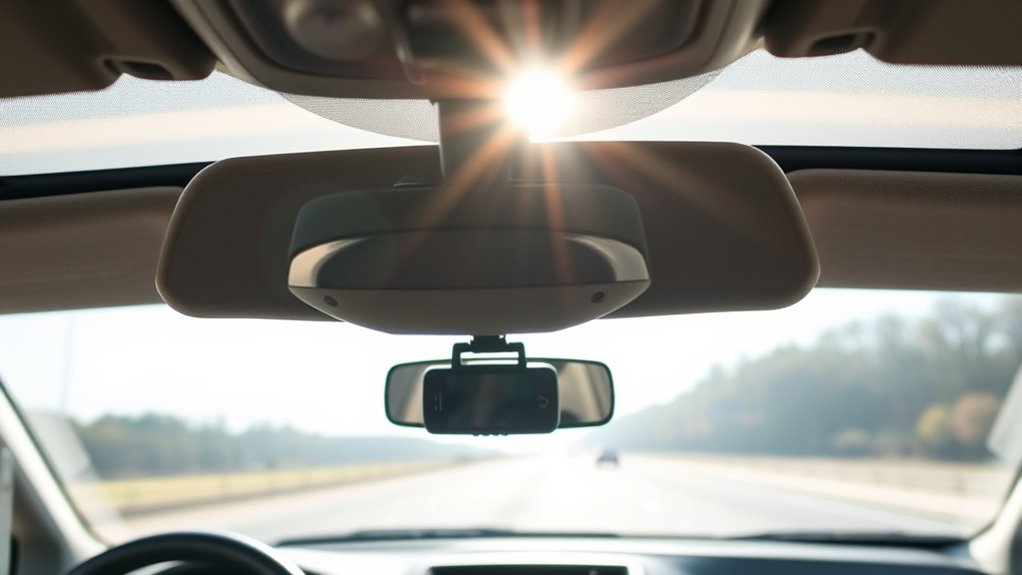
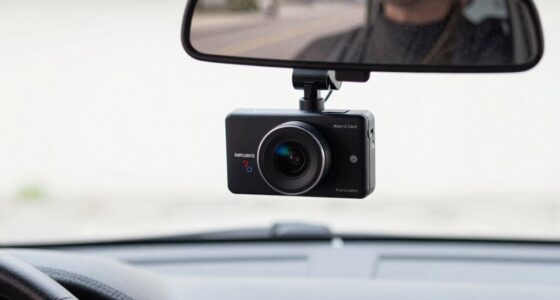
To stay compliant with Mississippi laws when installing a dash cam, it’s essential to choose a mounting location that doesn’t obstruct your view or interfere with airbag deployment. Opt for dashboard mounting whenever possible, as it’s considered the safest and most compliant choice. If you prefer windshield mounting, keep the device out of your normal line of sight and away from airbag zones, using low-profile mounts or adhesive pads to minimize obstruction. Position the camera behind or slightly below the rearview mirror to reduce distraction while maintaining a clear view forward. Always follow state guidelines to avoid blocking sightlines through windows. Proper placement helps guarantee you meet legal standards and maintain safe driving conditions.
Updates and Changes in Dash Cam Regulations
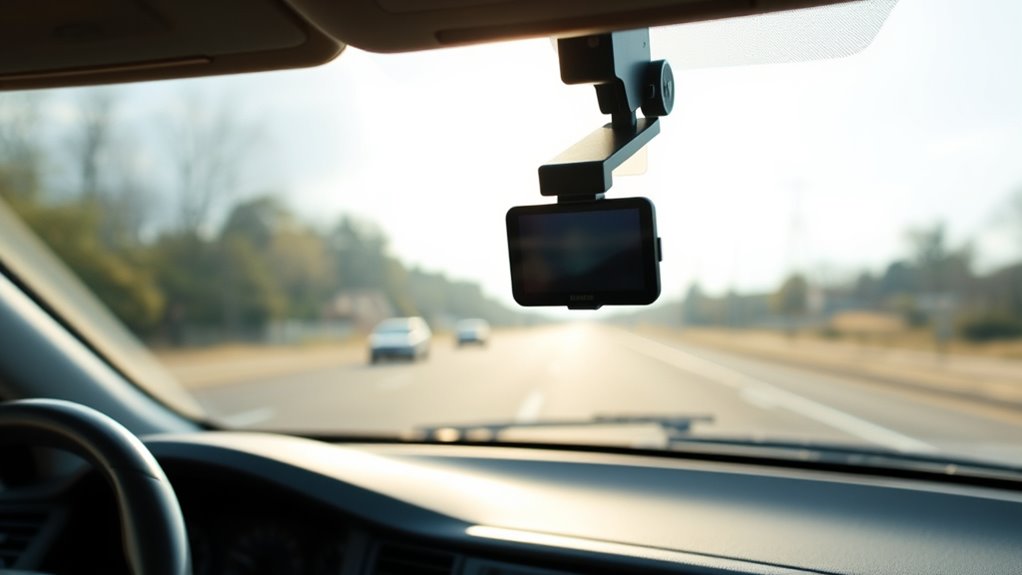
Although Mississippi has not enacted new statewide laws specifically regulating dash cam mounting locations since 2020, recent legislative activity has largely focused on exemptions for safety devices and commercial vehicles rather than consumer dash cams. You’ll find that existing rules rely on general windshield obstruction statutes, with no specific updates for private devices. Key changes include:
Mississippi’s dash cam laws remain unchanged since 2020, focusing on general windshield obstruction rules.
- Guidance shifting toward dashboard or behind-rearview-mirror mounts to reduce obstruction risks.
- Industry and insurer advice emphasizing avoiding the wiper sweep area and mirror obstruction.
- Enforcement influenced by court decisions in neighboring states interpreting “obstruction.”
- Separate rules for commercial fleets and DOT-regulated vehicles, allowing different mounting standards.
- States are increasingly providing guidance on safe dash cam placement to help consumers comply more effectively.
These updates reflect evolving practical compliance, not new codified laws.
Best Practices for Using Dash Cams Safely and Legally
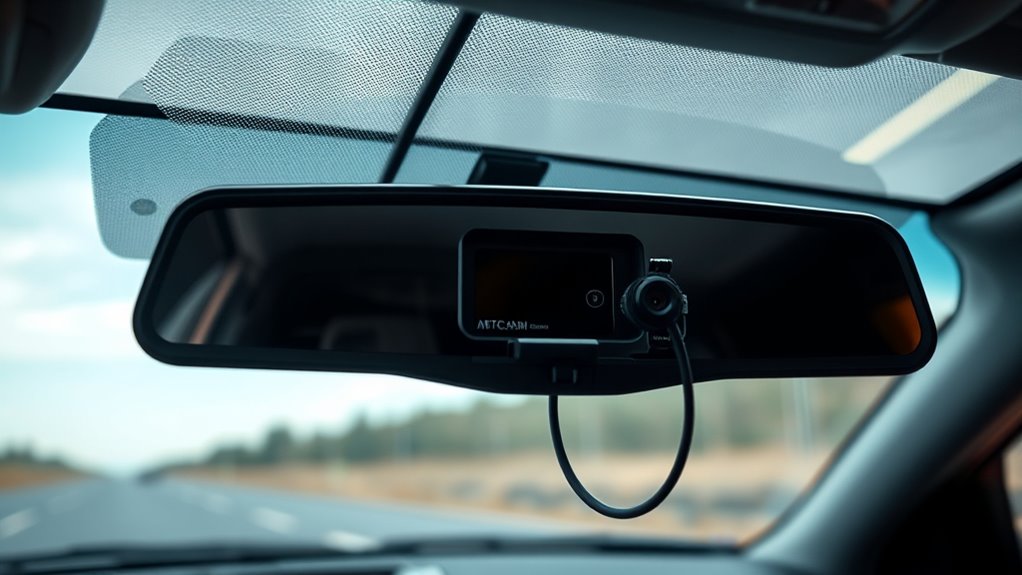
Using your dash cam safely and legally requires careful attention to mounting positions, visibility, and privacy considerations. You should mount the device where it doesn’t obstruct your view through the windshield; a dashboard mount or placement behind the rearview mirror is ideal. Make certain the camera is secured tightly to prevent distractions or safety violations caused by loose mounts. When recording audio, remember that Mississippi is single-party consent, so at least one participant must agree; notify passengers when possible. Disable audio recording if consent isn’t obtained. Protect footage with encryption, regular backups, and clear chain-of-custody records to maintain integrity. When law enforcement requests footage, provide unedited files and verify the request’s validity. Following these practices helps keep your dash cam use both safe and within legal bounds.
Frequently Asked Questions
Can I Record Footage Outside My Vehicle in Mississippi?
Yes, you can record footage outside your vehicle in Mississippi. You’re legally allowed to film public roadways and sidewalks from your moving vehicle since there’s no reasonable expectation of privacy in public. Just make sure your camera doesn’t obstruct your view or violate any laws. Be cautious about capturing private property or individuals in private settings, as that could raise privacy concerns. Keep your mounting safe and unobstructive to avoid citations.
Are There Specific Size Restrictions for Dash Cams in Mississippi?
In Mississippi, there aren’t specific size restrictions for dash cams, but you should guarantee they don’t obstruct your view. To stay compliant, mount your dash cam on the dashboard rather than the windshield, as this minimizes the chance of blocking your line of sight. Keep the device small and unobtrusive, and avoid placing it where it could interfere with your driving or violate privacy laws.
Do I Need to Disable Audio Recording if Passengers Object?
Think of your dash cam as a window into your drive. If passengers object to audio recording, you don’t need to disable it under Mississippi law, since you’re the one-party consent holder. However, out of respect and transparency, it’s best to inform them beforehand. Using clear notices or verbal disclosures can prevent misunderstandings, ensuring everyone feels comfortable and aware, even if legal requirements don’t demand it.
Can Police Access My Dash Cam Footage Without a Warrant?
In Mississippi, police generally need a warrant to access your dash cam footage, especially if it’s private. However, if the footage is in a public space or part of a criminal investigation, they might obtain it without one, depending on circumstances. As a civilian, you can request a copy through a public records request, but law enforcement’s access without a warrant is limited unless legally justified.
Are There Restrictions on Recording During Certain Times of Day?
Surprisingly, Mississippi doesn’t impose restrictions on recording during specific times of day—day or night, your dash cam can capture everything. You don’t need to worry about special rules for morning or midnight footage. Just remember, your camera’s always fair game on public roads. Whether it’s rush hour or midnight snacks, your dash cam can record uninterrupted, so long as you follow mounting and audio consent rules.
Conclusion
Staying compliant with Mississippi’s dash cam laws is like steering a winding road—you need to know the rules to keep your journey smooth. By understanding mounting, audio, and privacy regulations, you’ll avoid pitfalls and protect your rights. Think of your dash cam as a trusty co-pilot—when used legally, it can be your best ally on the road. Keep informed, stay cautious, and drive with confidence, knowing you’re steering within the law.
Halloween Picks
halloween
As an affiliate, we earn on qualifying purchases.