
In Oklahoma, you can legally use a dash cam as long as it’s mounted below or behind your rearview mirror so it doesn’t block your view or interfere with airbags. You can record audio if you’re a participant in the conversation, but recording others without consent may violate privacy laws. Proper mounting, clear footage, and respecting privacy are key for legal use. Keep exploring to learn how to stay compliant and protect your rights.
Key Takeaways
- Dash cams are legally permitted without statewide restrictions in Oklahoma if properly mounted and authenticated.
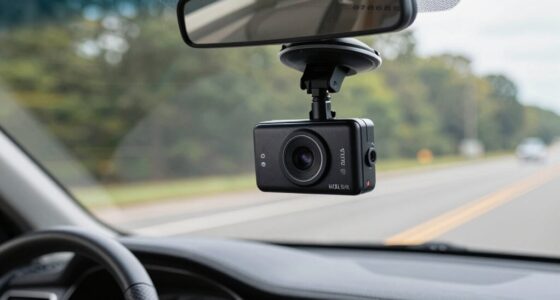
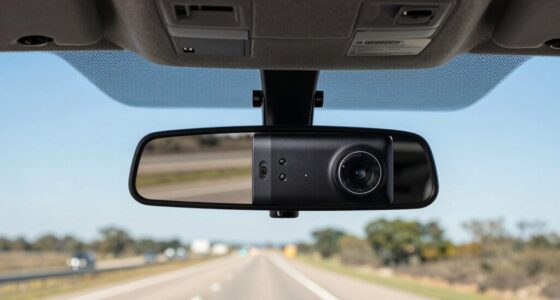
- Mount dash cams below the windshield, behind or near the rearview mirror, avoiding obstruction of airbags and controls.
- Oklahoma law allows audio recording with one-party consent; disable audio or obtain consent to ensure legality.
- Windshield-mounted cameras must not obstruct view or use nontransparent materials; proper mounting supports admissibility.
- Law enforcement footage is public record but may require legal procedures; privacy laws may restrict access to certain recordings.

Madoec Portable Apple Carplay Screen for Car, 9" Wireless Apple Carplay & Android Auto,4K Dash Cam,1080p Backup Camera DVR,Car Audio Receivers GPS Navigation Mirror Link, Bluetooth,FM, Siri
✅【Wireless Apple Carplay & Android Auto 】 :Even if your car is very old, using Madoec wireless carplay...
As an affiliate, we earn on qualifying purchases.
Legal Guidelines for Dash Cam Usage in Oklahoma
In Oklahoma, you’re allowed to use dash cams in your vehicle without statewide restrictions. You can install and operate them freely, and footage can be used as evidence in court if it meets Oklahoma Evidence Code standards. To be admissible, the footage must clearly demonstrate facts related to accidents or fault, and it must be properly authenticated, showing no alterations and confirming the camera functioned correctly. When recording audio, only one-party consent is needed, so you can record conversations inside your vehicle legally. Keep in mind, dash cam footage is generally accepted in accident cases and by insurers, as long as it’s relevant and properly preserved. Additionally, understanding the color accuracy of your dash cam can help ensure the footage accurately represents the scene, which is important for legal and insurance purposes. Furthermore, being aware of the privacy considerations related to dash cam recordings can help you avoid potential legal issues concerning recording restrictions and consent laws. Knowing how to properly store and back up the footage can also prevent loss or tampering, ensuring your evidence remains intact for legal proceedings. Regularly updating your knowledge about dash cam laws and regulations can help you stay compliant and avoid inadvertent violations. Also, camera positioning plays a crucial role in capturing comprehensive footage that supports your case effectively.
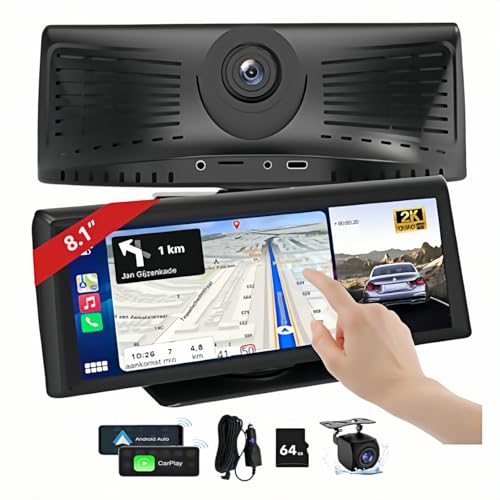
8.1" Wireless Carplay Screen for Car with 2K Dash Cam & 1080P Backup Camera, Portable Touch Screen Car Stereo with Apple Carplay & Android Auto, BT/FM/AUX/GPS Nav/Mirror Link/Voice Control
【Wireless Connectivity and Voice Control】: Supports wireless Apple CarPlay and Android Auto, perfectly compatible with mainstream smartphone systems....
As an affiliate, we earn on qualifying purchases.
Proper Mounting Practices and Restrictions
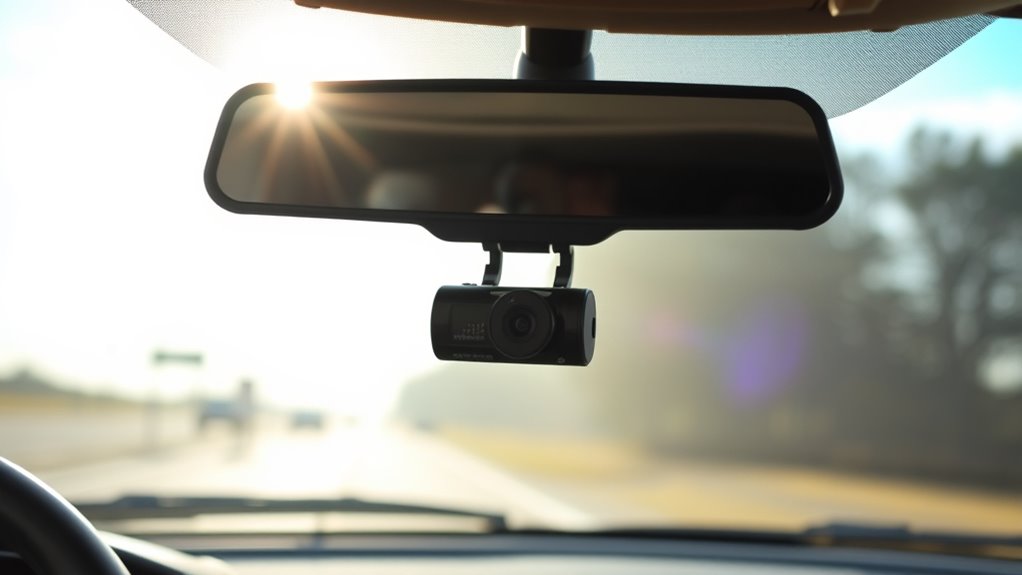
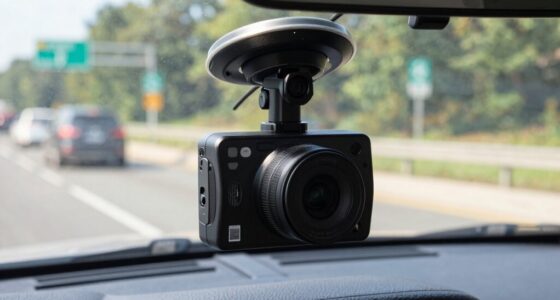
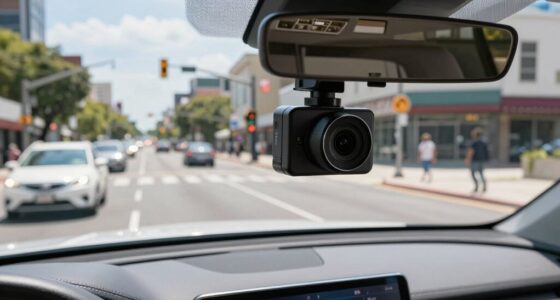
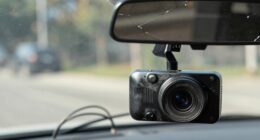
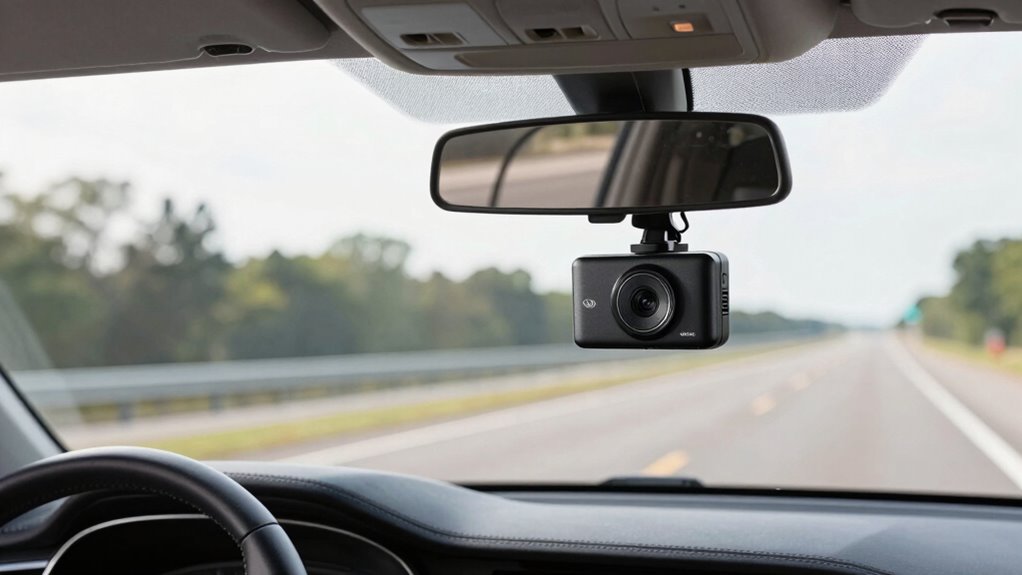
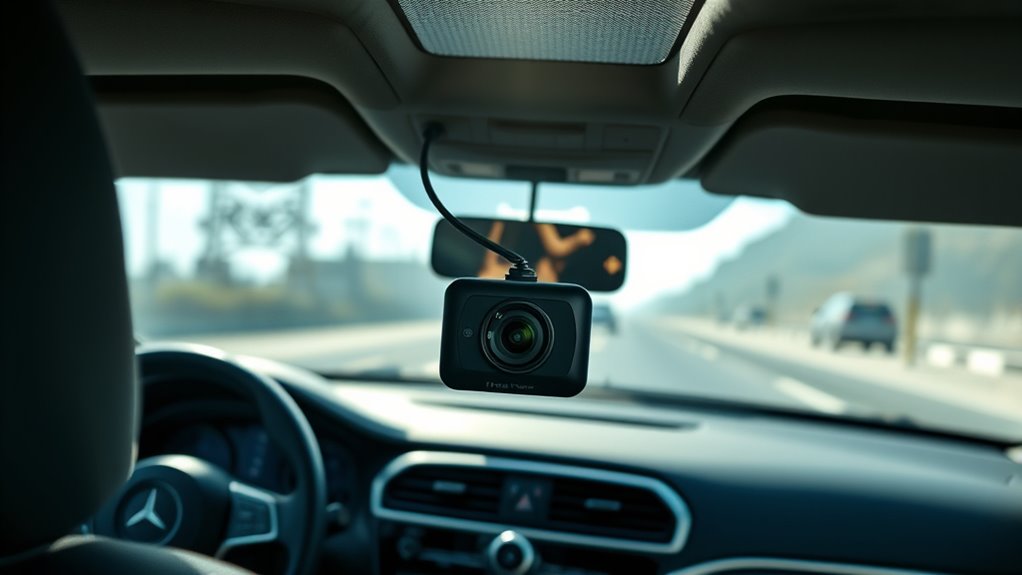
Proper mounting practices for dash cams in Oklahoma are essential to guarantee legal compliance and peak performance. You should position your camera on the dashboard, below the windshield, to avoid obstructing your view and comply with state laws. Mounting behind or adjacent to the rearview mirror keeps the camera outside your primary sightlines and is generally acceptable. Using surface mounts with adhesive or screws provides stability and reduces vibrations, ensuring clear footage. Avoid hard-mounting the device at the top center of the windshield, as this can violate statutes prohibiting view obstruction. Make sure the camera doesn’t interfere with airbags, steering, or controls. Proper cable routing is also vital to prevent distraction or entanglement, maintaining both safety and legal compliance. Additionally, selecting the right outdoor setup for mounting options can help ensure your camera remains secure and unobtrusive. Ensuring your camera’s placement and stability are correct minimizes vibrations and enhances footage quality, which is important for legal and safety reasons. Regularly checking the piercings of your dash cam mount can prevent loosening over time and maintain optimal positioning. Being aware of view obstruction laws can help you avoid accidental violations and ensure your dash cam is compliant with Oklahoma regulations.

Pioneer DMH-1600NEX 6.8" Double-Din Digital Multimedia Receiver - Built in Bluetooth, Wired Apple CarPlay and Android Auto, Touchscreen, Rear Camera Input
Hands-Free Calling: This Pioneer in-dash receiver features built-in Bluetooth, enabling easy hands-free calling through compatible smartphones, with crystal-clear...
As an affiliate, we earn on qualifying purchases.
Audio Recording Laws and Consent Requirements
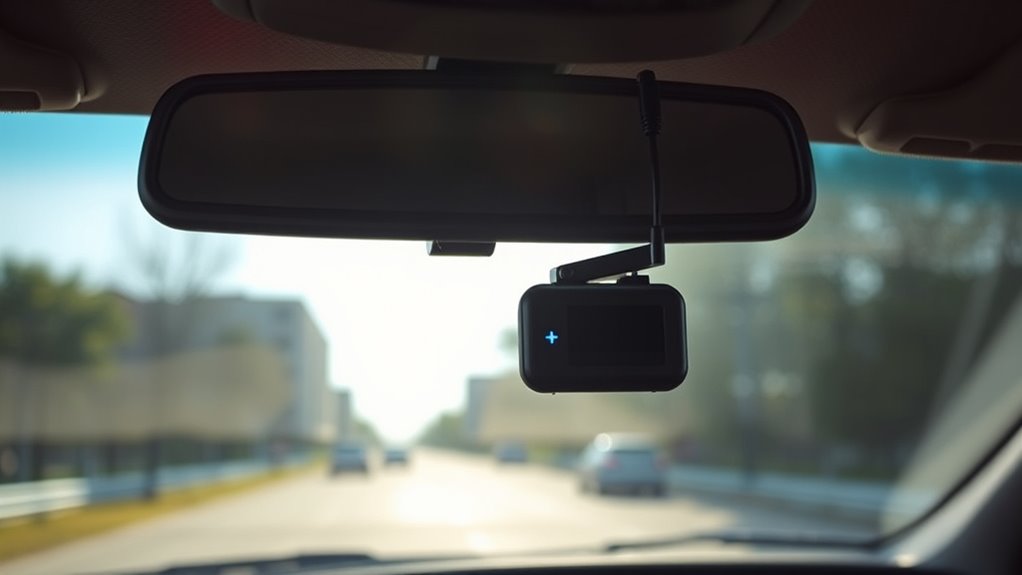
When installing a dash cam in Oklahoma, understanding the state’s audio recording laws is key to staying within legal boundaries. Oklahoma follows a one-party consent rule, meaning you can record conversations if at least one participant agrees. As the driver, your consent covers recording in-vehicle conversations you’re part of. However, recording private conversations outside your participation, where others expect privacy, may be illegal. Federal laws, like the Wiretap Act, also apply, especially for interstate or electronic communications, so be cautious when recording phone calls or digital chats. To minimize risk, disable audio or get explicit consent for third-party calls or passengers. Illegal recordings can lead to criminal or civil penalties and might be inadmissible in court. Always ensure your recordings comply with both state and federal laws. Additionally, understanding the unique privacy considerations in Oklahoma can help you avoid unintentional violations, such as audio recording restrictions that might exist in specific contexts or locations. Being aware of free floating privacy expectations can also guide responsible recording practices. Moreover, staying informed about state-specific laws can prevent inadvertent legal issues related to dash cam recordings. Furthermore, considering the potential impact of privacy laws on your recordings can help you navigate complex legal situations more effectively.

Pioneer DMH-W3000NEX 6.8" Double Din Multimedia Digital Media Receiver, Wireless Apple CarPlay and Android Auto, Bluetooth, Backup Camera Compatible, Touchscreen, One Touch Navigation
Smartphone Integration - Supports wired or wireless Apple CarPlay and Android Auto, enabling seamless integration with your smartphone....
As an affiliate, we earn on qualifying purchases.
Ensuring View Obstruction and Footage Admissibility

Making certain your dash cam doesn’t obstruct your view of the road is crucial for both safety and legal compliance. Oklahoma law prohibits nontransparent materials that block your unobstructed view, so windshield-mounted cameras that hinder sightlines may lead to citations. To stay compliant, mount your dash cam low on the dashboard or behind the rearview mirror, avoiding airbags and areas with clear impact zones. Enforcement focuses on whether the device actually impairs your vision, so documenting your setup can help if challenged. For footage admissibility, courts look for relevance, authenticity, and proper chain-of-custody. Videos with gaps, tampering, or unclear timestamps may be discounted. Proper mounting and careful record-keeping ensure your footage remains valuable evidence in Oklahoma courts. In addition, understanding how privacy laws affect dash cam use can prevent legal issues related to audio recording and data sharing. Ensuring your dash cam setup aligns with state-specific regulations can help avoid potential legal complications. Moreover, staying informed about floating on water safety practices and laws can further enhance your awareness of road and water safety standards.
Privacy Considerations and Access to Dash Cam Footage
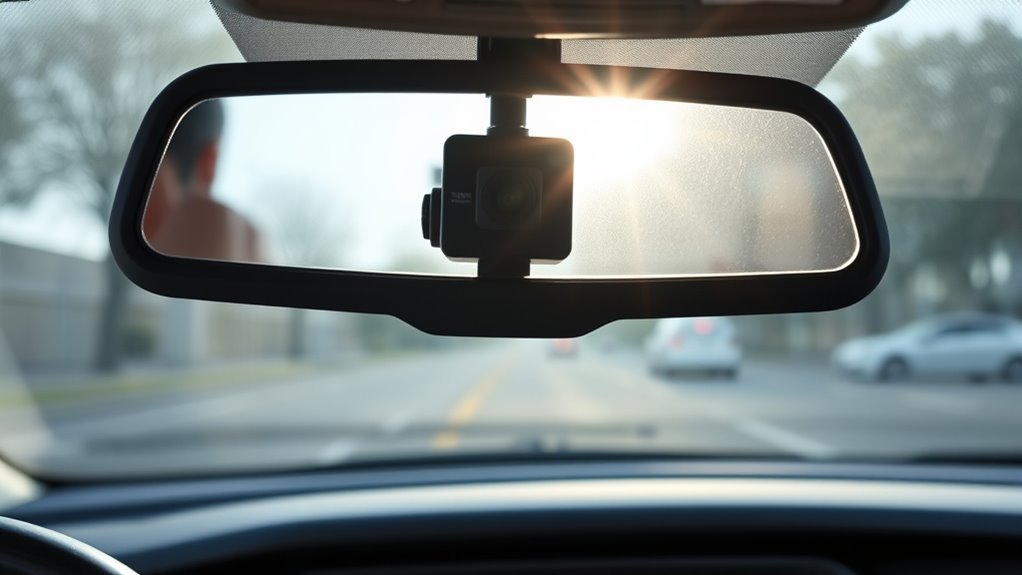
In Oklahoma, law enforcement dash cam and body camera footage are generally considered public records under the Open Records Act, meaning you can request access to these recordings. However, exceptions apply, such as footage showing minors under 16, nudity, death scenes, or recordings related to ongoing investigations, which may be withheld until investigations conclude. Agencies often redact sensitive information or blur faces to protect privacy. Requests usually require specific case identifiers, like collision reports or citations, and processing times can be lengthy—up to 90 days or more. Civil litigants may need subpoenas to obtain footage, especially if agencies decline release or the footage is time-sensitive. Local or private recordings may need direct contact or court orders for access if owners refuse. The Oklahoma Open Records Act provides the legal framework for requesting these recordings. Additionally, understanding privacy protections is essential because certain sensitive footage can be legally withheld to prevent harm or invasion of privacy.
Frequently Asked Questions
Can I Use a Dash Cam in Commercial Vehicles in Oklahoma?
Yes, you can use a dash cam in commercial vehicles in Oklahoma. Just make certain it doesn’t obstruct your clear view of the road, typically by mounting on the dashboard or behind the rearview mirror. You’re allowed to record audio with one-party consent, but be cautious with privacy laws if recording inside the vehicle. Follow best practices, document your policies, and verify mounting and audio rules to stay compliant.
Are There Specific Dash Cam Models Recommended for Oklahoma Drivers?
You should consider models like the Nextbase 622GW or the Thinkware U1000 for Oklahoma driving. While the 4K resolution and GPS logging provide solid proof in collisions, their discreet mounts and privacy features keep your data secure. Alternatively, dual-channel models like the Vantrue N2 Pro offer interior monitoring for rideshare drivers. These choices balance legal compliance, evidence quality, and privacy, ensuring you’re well-equipped on Oklahoma roads.
How Long Can I Legally Retain Dash Cam Footage in Oklahoma?
In Oklahoma, you can generally maintain dash cam footage for up to three years if it’s critical or related to law enforcement or investigations. Non-critical videos should be kept for about 180 days. There’s no strict legal requirement, but following recommended guidelines helps protect your privacy and ensure proper recordkeeping. Remember, public access rules and privacy considerations may influence how long you should keep certain recordings.
Is There a Penalty for Mounting a Dash Cam Improperly?
Yes, you can face penalties for improperly mounting your dash cam, and it’s like opening Pandora’s box of trouble. Oklahoma law prohibits windshield mounts that block your view, leading to fines and citations. Courts may exclude footage from illegal placements, weakening your case. To avoid hassle, mount your dash cam on the dashboard behind the rearview mirror, ensuring it doesn’t obstruct your view—staying safe and within the law.
Can I Record Dash Cam Footage for Personal Safety Without Legal Issues?
Yes, you can record dash cam footage for personal safety without legal issues in Oklahoma. As long as your camera is mounted properly—typically behind the rearview mirror and not obstructing your view—and you follow audio recording laws, you’re good. Make certain your recordings are unaltered and used as evidence if needed. Just remember, single-party consent applies, so recording audio is legal if you’re a participant or have approval.
Conclusion
By understanding Oklahoma’s dash cam laws, you can confidently record your drives while respecting privacy and legal boundaries. While some might worry about privacy violations, staying informed guarantees your footage remains admissible and ethically collected. Remember, proper mounting, consent for audio recording, and safeguarding your footage not only protect you legally but also help you avoid potential disputes. With responsible usage, your dash cam can be a valuable tool without infringing on others’ rights or privacy.