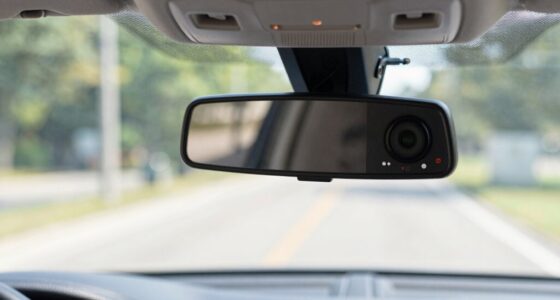
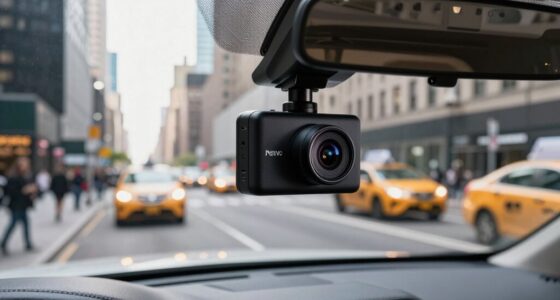
In Washington, you must mount your dash cam behind or next to the rearview mirror so it doesn’t obstruct your view or violate windshield laws. You need all-party consent to record audio, so inform passengers and display notices. Keep the device within legal zones, avoid obstructing wipers, and use non-suction mounts. Properly documenting footage and respecting privacy laws help make certain your recordings are admissible and lawful—continue to learn how to stay compliant and protect yourself.
Key Takeaways
- Mount dash cams behind or next to the rearview mirror within the legal view obstruction zones (5 inches driver side, 7 inches passenger side).
- All parties must consent to audio recording; inform passengers verbally and display signage, with explicit consent required before activating audio.
- Use non-suction mounts and route cables safely, avoiding airbags and legal windshield obstruction laws.
- Record footage relevant to legal matters, ensuring authenticity, proper storage, and chain-of-custody to meet admissibility standards.
- Regularly review local laws to ensure compliance with privacy restrictions and recording practices in Washington.
Legal Placement of Dash Cameras in Washington Vehicles
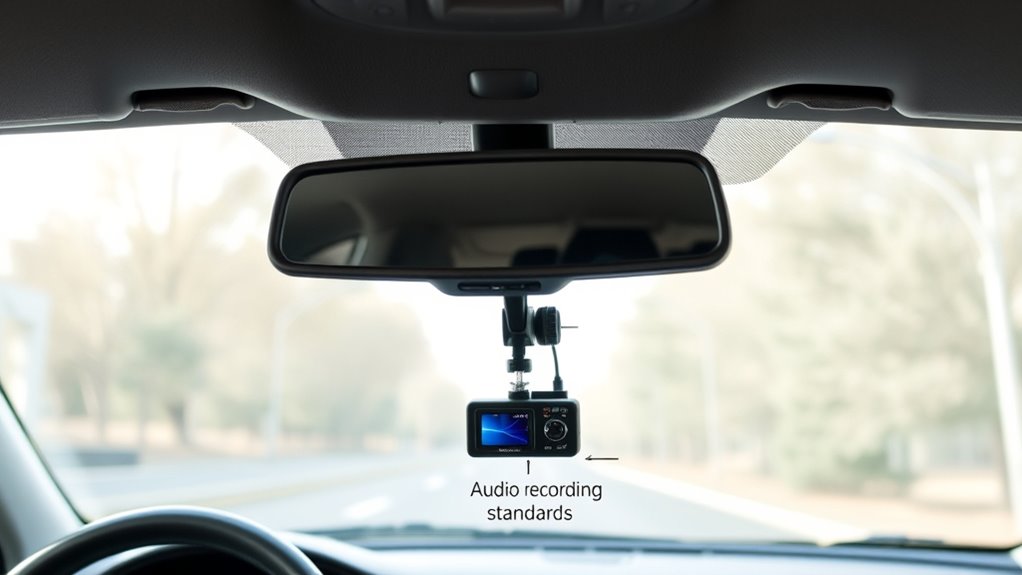
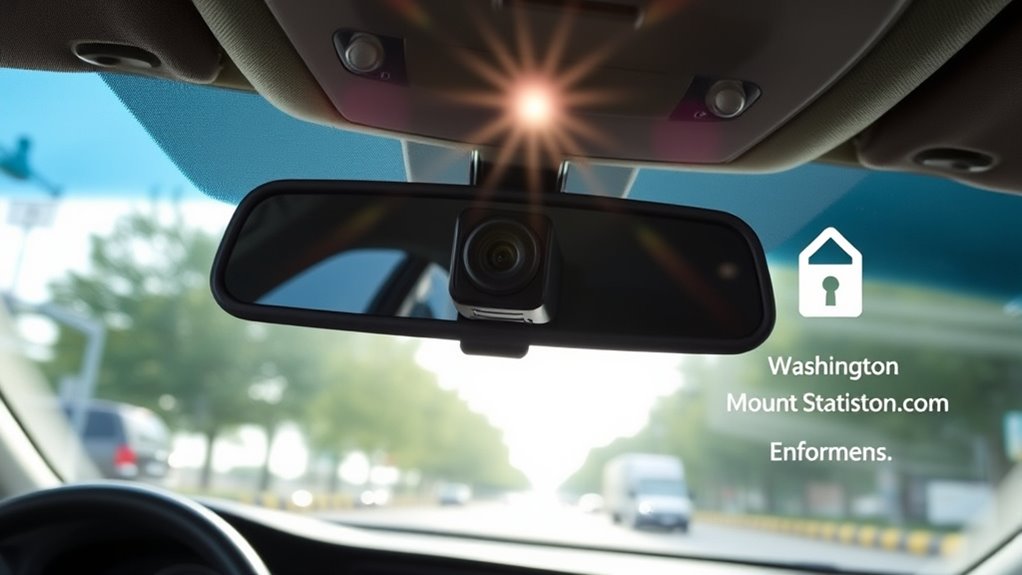
In Washington, placing a dash camera in your vehicle requires careful attention to state laws that prevent obstruction of the driver’s view. You should mount your dash cam where it doesn’t block your sightlines or create glare that impairs your ability to see the road clearly. You can consult state vehicle codes for specific guidelines on placement. Commonly, the recommended spot is behind or next to the rearview mirror, as it’s already within your line of sight. If you choose a lower corner, keep the device within a small, specified area—usually no more than five inches on the driver’s side or seven inches on the passenger’s side—to avoid obstruction. Avoid placing your camera where wipers sweep, as this could violate the windshield obstruction laws. Always test your placement by reviewing your line-of-sight before regular use. Proper business listings can help you find local professionals if you need assistance with installation or legal advice. Additionally, understanding dash cam regulations can help ensure your device complies with all applicable laws. Ensuring your dash cam’s mounting position adheres to these standards is essential for legal compliance and safe driving.
Window Obstruction Laws and Mounting Guidelines

Washington law strictly prohibits mounting dash cameras on the windshield because they can obstruct your view of the road. You must verify your dash cam doesn’t block any part of your clear line of sight. Proper installation ensures compliance with state laws and helps prevent distractions while driving. It is also important to consider dash cam mounting guidelines to avoid legal issues and maintain safe driving practices. Here are key guidelines to follow:
Washington law bans windshield dash cams to prevent obstructing your view and ensure safety.
- Mount your dash cam on the dashboard in a non-obstructive spot.
- Avoid attaching it to the windshield with suction cups or other methods.
- Position the camera behind the rearview mirror to stay out of your primary view.
- Verify it doesn’t obscure more than a five-inch square on the driver’s side windshield or a seven-inch square on the passenger side.
Audio Recording Restrictions and All-Party Consent Requirements
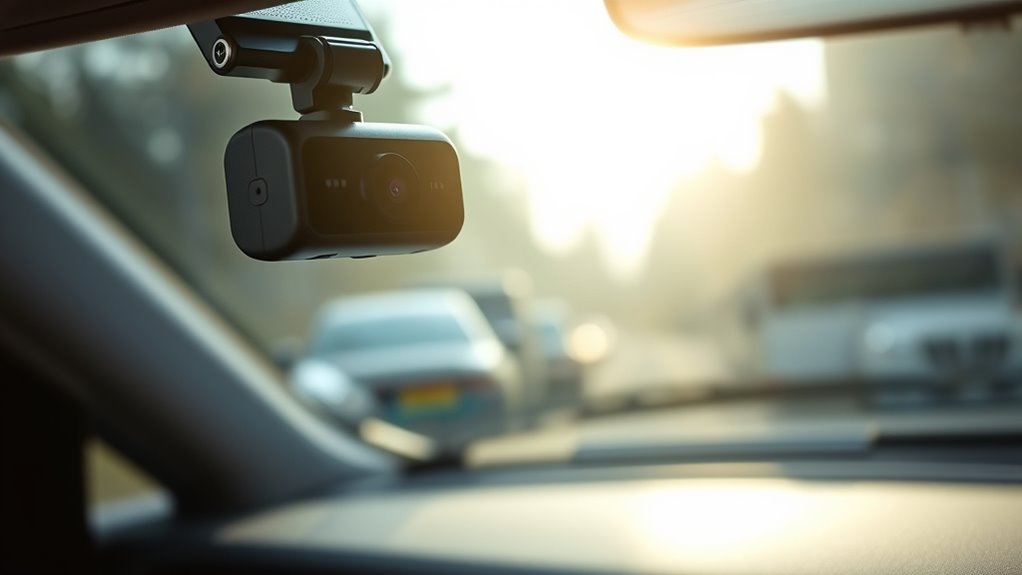
In Washington, you must get consent from everyone involved before recording audio in private conversations, including inside your vehicle. Failing to do so can make your dash cam footage inadmissible in court and violate privacy laws. To stay compliant, always inform passengers about audio recording or disable the feature entirely. Properly managing audio recording settings is essential to maintain legal compliance and respect privacy rights. Additionally, understanding wave and wind considerations can help you choose the right equipment and placement to prevent unwanted noise interference. Being aware of audio recording restrictions ensures you avoid legal pitfalls and protect everyone’s privacy. Recognizing vetted brands known for quality can also help you select reliable dash cam models that adhere to legal standards. Proper installation and soundproofing techniques can further enhance audio clarity while maintaining compliance.
All-Party Consent Law
Understanding the all-party consent law is vital because it dictates that everyone involved in a private conversation must agree before any recording takes place. If you record without consent, you risk criminal charges and civil liability. Here’s what you need to know:
- All participants must consent before recording any private communication or conversation.
- Awareness of recording can sometimes serve as consent, but withdrawal afterward doesn’t undo legality.
- In-person and electronic conversations are equally protected under the same all-party rule.
- Obvious recording devices may change consent rules in certain journalism or newsgathering contexts, but caution remains essential.
- Cookies and online tracking are subject to consent requirements under privacy regulations, emphasizing the importance of user awareness and control over data collection.
- It’s also important to understand that electronic communication laws vary by state, and staying informed helps ensure compliance. Additionally, understanding how privacy laws intersect with recording laws can help you avoid inadvertent violations and protect your rights. Being aware of such privacy considerations can further prevent unintentional legal issues.
Audio Recording Restrictions
Knowing that everyone involved in a private conversation must consent before recording is essential, especially since audio recording laws add specific restrictions to this general rule. In Washington, legally intercepting or recording private in-person conversations without all parties’ consent is a crime under RCW 9.73.030. If your dash cam captures in-vehicle conversations, it may trigger all-party consent requirements if the conversations are private and not public. Law enforcement exceptions exist, such as recordings made during official duties or court-authorized interceptions. Recording audio without approval can lead to criminal charges or make evidence inadmissible in court. To stay compliant, disable the microphone or ensure passengers give informed consent, preferably documented through signage or verbal agreement. Always be aware of evolving laws concerning dashboard or vehicle audio recordings. Additionally, understanding the importance of curiosity can help you stay informed about legal changes and best practices for privacy compliance. Being aware of the privacy laws that govern audio recordings is crucial for avoiding legal pitfalls and respecting others’ rights.
Privacy Notice Practices
To comply with Washington’s privacy laws, you must guarantee that everyone involved in a private conversation is aware of and consents to audio recording. Ensuring proper notice helps protect everyone’s privacy rights and avoids legal trouble. Here are effective practices:
- Place visible signage where passengers enter, alerting them that audio and video are recorded.
- Make a verbal announcement at the start of each ride, documented with a timestamped log.
- Use written or digital consent forms, especially in commercial or fleet settings.
- Enable a visible indicator (LED or on-screen icon) showing active audio recording.
- Understanding that Washington is a two-party consent state, requiring permission from all involved parties to lawfully record audio, is crucial for legal compliance.
- Incorporate crochet styles for locs to demonstrate diverse methods of personal expression and privacy considerations when discussing recording practices.
These steps foster transparency, respect privacy, and make certain you meet all-party consent requirements, especially in private conversations. When in doubt, consider disabling the microphone to avoid recording audio altogether.
Using Dash Cam Footage as Evidence in Legal Proceedings
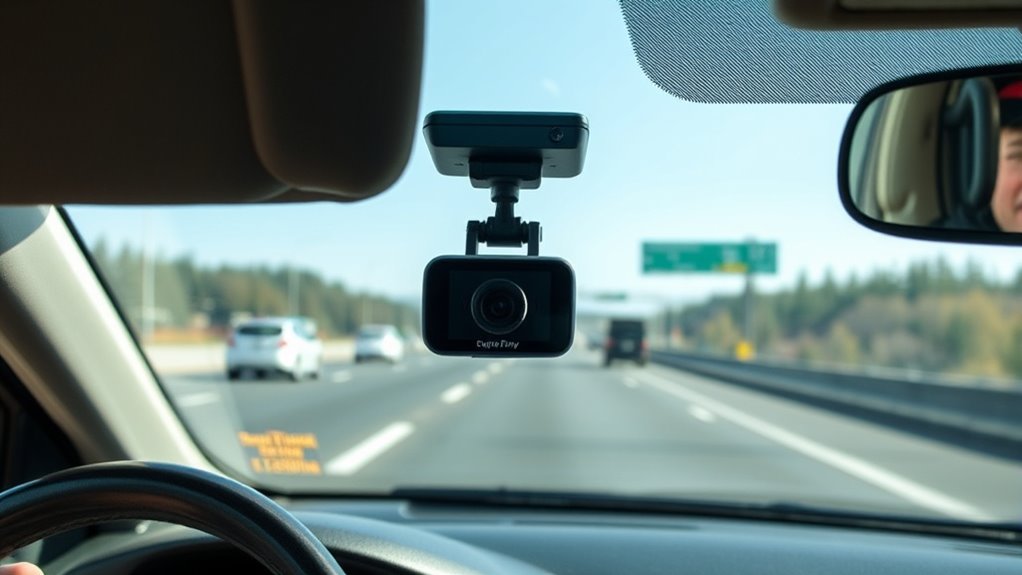
Using dash cam footage as evidence in legal proceedings hinges on meeting strict admissibility standards that focus on relevance, authenticity, and proper handling. Courts admit footage when it shows a material fact, like fault or causation, and when you can authenticate it—showing the origin, date, and that it remains unaltered. Chain-of-custody documentation is essential if footage has been transferred or edited. To strengthen your case, present metadata such as timestamps and GPS logs. Additionally, understanding essential oil benefits can provide useful stress relief during legal processes. Properly preserving the footage’s integrity is crucial to ensure its admissibility in court, which often requires following specific procedures for storage and transfer. Familiarity with the styleGuru.org guidelines can help ensure that your footage meets all necessary criteria for legal use, including digital evidence preservation techniques and evidence handling protocols to maintain chain of custody and prevent tampering.
Privacy Considerations and Passenger Notification Best Practices
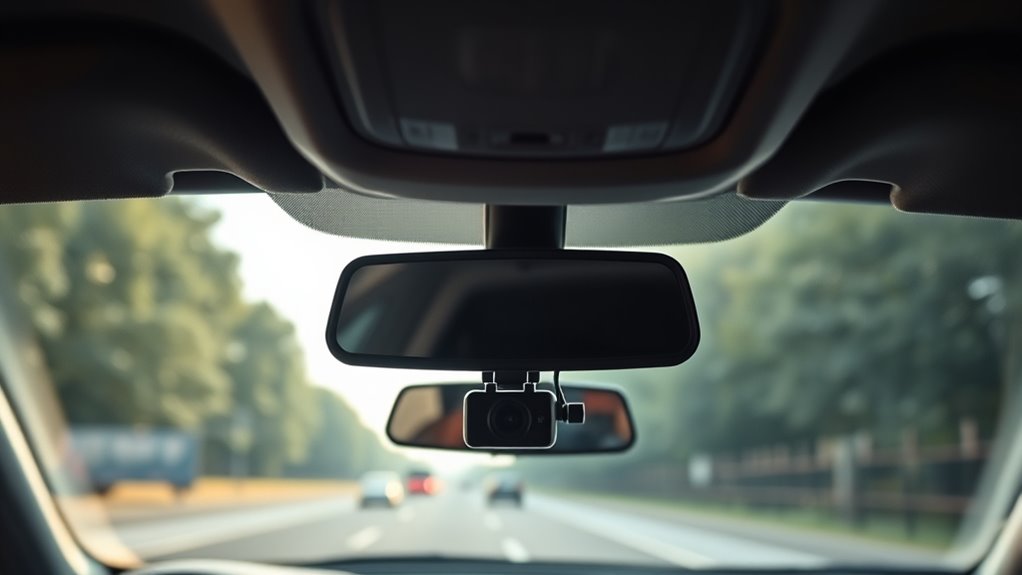
Privacy considerations become a key concern, especially regarding audio recordings. You must guarantee all passengers are aware of recording and have given explicit consent. To protect everyone’s privacy, follow these best practices:
- Verbally notify passengers upon entry that audio is being recorded.
- Place signage near doors to clearly indicate cabin recording.
- Use stickers or notices as quick indicators for active audio recording.
- Obtain explicit verbal consent before activating audio, especially with new or unfamiliar passengers.
- Regularly review local laws and regulations to ensure ongoing compliance with privacy requirements.
- Be aware of privacy laws, which can vary by jurisdiction and influence your recording practices.
- Incorporate auditory privacy measures to further safeguard sensitive information during recordings.
- Educate yourself on privacy law compliance to stay current with evolving legal standards and avoid inadvertent violations.
- Stay informed about recording best practices to ensure ethical handling of recordings and maintain passenger trust.
- Understanding recording limitations helps you implement proper measures and avoid legal complications.
Technical Tips for Safe and Compliant Camera Installation
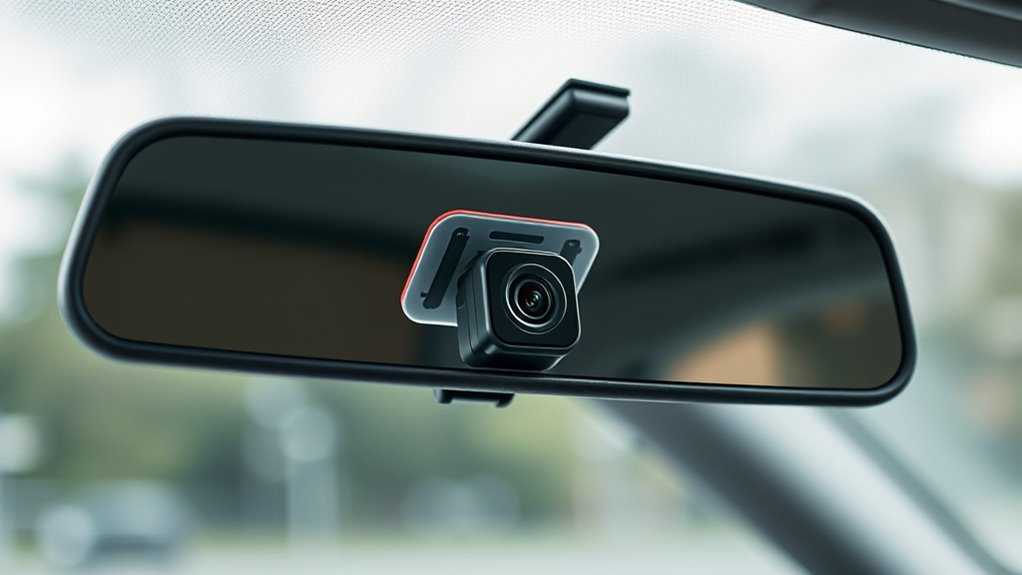
Ensuring your dash cam is installed safely and legally starts with selecting the right mounting location. According to Washington law, avoid obstructing your view with nontransparent objects—stay clear of the five-inch square zone on the driver’s side and the seven-inch square on the passenger’s side. Ideal spots include the low-profile dashboard, directly behind the rearview mirror, or the passenger-side corner if visibility isn’t compromised. Proper dash cam placement is essential for both legal compliance and optimal recording quality. Use low-profile mounts with vibration-dampening features, such as rubber pads or ball joints, to keep footage clear. Attach the camera with adhesives or OEM-style brackets rather than suction cups to prevent detachment and obstruction. Always guarantee that cords are routed away from airbags and airbag deployment zones for safety. Proper placement ensures legal compliance and ideal recording quality. Additionally, it’s important to consider that dash cam placement can affect the legality of your footage if it obstructs the driver’s view or violates state regulations. Incorporating smart‑home integration features can also help you monitor and adjust your dash cam settings remotely for optimal performance. Using knowledge of local laws can help you avoid unintentional violations related to camera positioning.
Enforcement, Penalties, and Best Practices for Compliance
Enforcement of dash cam laws in Washington involves multiple agencies, including the state patrol, municipal police, and local governments, each with specific roles in regulating roadside stops, collision investigations, and automated traffic camera programs. To stay compliant and avoid penalties, you should:
- Respond promptly to traffic camera notices to prevent additional fines or court orders.
- Ensure your dash cam and audio recordings follow privacy laws, avoiding illegal private conversations.
- Keep detailed records, including calibration logs and chain-of-custody documentation, to strengthen evidence.
- Avoid obstructing views or mounting your camera improperly, which could weaken admissibility or lead to violations.
- Be aware that data retention laws specify how long recordings can be stored, ensuring you comply with legal requirements.
Following these best practices minimizes risks, protects your rights, and keeps you within legal boundaries while using your dash cam.
Frequently Asked Questions
Can I Record Audio in My Vehicle Without Violating Washington Law?
You can’t record audio in your vehicle without violating Washington law unless you get consent from everyone involved. Washington requires all-party consent for audio recordings, meaning you must inform everyone and obtain their permission before recording. If you record without consent, you’re breaking the law and could face legal consequences. Always make sure to clearly announce the recording and get explicit agreement from all parties to stay compliant.
Are There Specific Dash Cam Size Limits for Legal Installation?
Washington doesn’t specify exact size limits for dash cams, but the law generally requires devices not to obstruct your clear view of the road. Most guidance suggests keeping the device within a 5-inch square on the driver’s side and a 7-inch square on the passenger’s side. To stay compliant, mount your dash cam low on the windshield, avoid blocking your view, and consider dashboard placement when possible.
How Do I Notify Passengers About Audio Recording?
Remember, honesty is the best policy. To notify passengers about audio recording, clearly display a sticker on the dashboard or passenger window that states recordings are in use. Also, verbally inform them at the start of the trip and ask for explicit consent. Consider offering an option to disable audio recording if requested, and keep records of all notices and consents to stay compliant and protect everyone’s privacy.
Is It Legal to Record My Vehicle’s Surroundings Without Audio?
Yes, it’s legal to record your vehicle’s surroundings without audio in Washington. As long as your dash-cam is positioned correctly and does not obstruct your view, capturing video of public areas is generally permitted. To stay compliant, confirm the microphone is disabled or hardware-muted, and keep documentation showing the microphone was turned off. This approach helps protect your privacy, avoids legal issues, and preserves the footage’s admissibility.
What Are the Consequences of Mounting a Dash Cam Improperly?
If you mount your dash cam improperly, you’re playing with fire. You risk getting a traffic citation, which could mean fines or points on your record. Plus, if the camera obstructs your view, it might make your footage inadmissible in court—so it’s like shooting yourself in the foot. Poor mounting can also distract you or interfere with airbags, increasing safety risks. It’s better to do it right the first time.
Conclusion
Understanding dash cam laws in Washington might seem complicated, but staying compliant keeps you protected. By understanding where to mount your camera, respecting privacy rules, and recording responsibly, you can enjoy the benefits without legal worries. Isn’t peace of mind worth a little extra effort? Keep these tips in mind, stay informed, and drive confidently knowing you’re following the law—and capturing your journey safely. After all, isn’t safe driving the best reward?