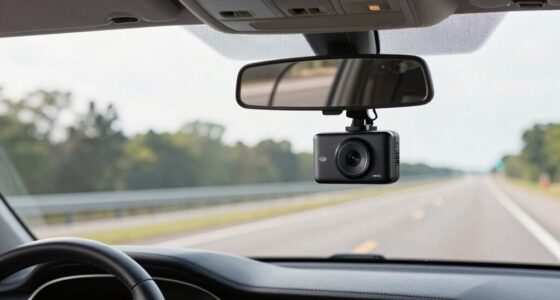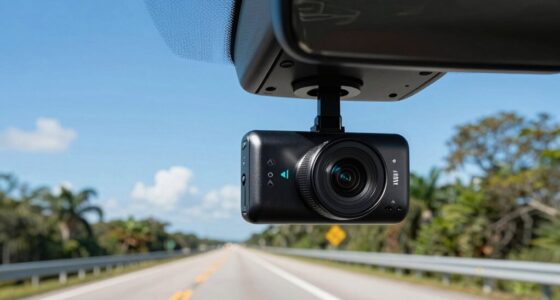

Employer-installed dash cams in work vehicles are generally allowed to promote safety and monitor driver behavior, but you must follow laws that protect employee privacy. Be transparent about what’s recorded and guarantee you get employee consent if required by law. Limits apply to recording personal activities or audio without notice, especially in certain states. To understand how to balance safety with privacy, explore the key legal rules and best practices in workplace dash cam use.
Key Takeaways
- Dash cam use in employer vehicles is generally permitted for safety, security, and fleet management, but must comply with local laws.
- Employers should inform employees about dash cam policies and obtain consent where required by law.
- Recording should be limited to work-related activities; audio recording often requires explicit employee consent.
- Data collected must be securely stored, with access restricted to authorized personnel to protect employee privacy.
- Policies should clearly define acceptable use, monitoring scope, and dispute resolution procedures to ensure legal compliance and transparency.

Pelsee S12 Native 4K + 2.5K Mirror Dash Cam, 64GB Card Included, GPS
- Dual 4K and 2.5K Recording: Front 4K and rear 2.5K dual footage
- Wi-Fi 6 & OTA Updates: Fast video download and automatic updates
- Starlit Color Night Vision: Clearer night footage with minimal glare
As an affiliate, we earn on qualifying purchases.
Legal Framework Governing Dash Cam Use in Work Vehicles

When employers decide to install dash cams in work vehicles, they must navigate a complex legal landscape that varies by jurisdiction. Dash cam legality depends on local laws that often balance safety benefits with employee privacy rights. In some areas, recording drivers is permitted as long as it serves a legitimate business purpose, but restrictions exist on audio recording or continuous surveillance. You need to be aware of privacy laws that protect employees from unwarranted monitoring, especially when recording occurs in personal or non-work-related contexts. Clear policies should outline when and how dash cams are used to avoid legal pitfalls. Respecting employee privacy while ensuring safety is essential to deploying dash cams legally and ethically in work vehicles. Additionally, implementing energy-efficient solutions can help organizations reduce their environmental impact while maintaining compliance with relevant regulations, which is increasingly relevant given the evolving privacy regulations that govern workplace monitoring.

4K Rear View Mirror Camera with Carplay&Android Auto,12" Mirror Dash Cam Front and Rear with Voice Control for Cars&Trucks,Smart Touch Screen,64GB Card Included/Loop Record/Reverse Assist
- 4K Front and 1080P Rear Cameras: Sharp recordings with wide angles
- Voice Control & Touch Screen: Hands-free operation for safety
- 12-Inch IPS Split Screen: Dual view of front and rear
As an affiliate, we earn on qualifying purchases.
Employers’ Rights to Install and Use Dash Cams

Employers have the right to install dash cams in work vehicles to promote safety, monitor driver behavior, and guarantee compliance with company policies. This practice supports effective fleet management by providing real-time insights into vehicle operation and driver conduct. Using dash cams allows you to identify risky driving habits, prevent accidents, and ensure adherence to safety protocols, ultimately enhancing driver safety. You can strategically place cameras to cover critical areas, helping you maintain a secure work environment. While the goal is to improve safety and efficiency, it’s essential to use dash cams responsibly and within legal boundaries. Properly managed, dash cams serve as valuable tools in managing your fleet and safeguarding your drivers without infringing on privacy rights. Creating calm in the workplace involves establishing clear policies around camera use and respecting employee privacy rights. Implementing privacy considerations ensures that the use of dash cams remains within legal and ethical standards, fostering trust among employees. Incorporating employee privacy rights into your policies helps balance safety with respect for individual boundaries. Additionally, understanding the legal boundaries surrounding dash cam usage can help prevent potential disputes and ensure compliance with state and federal laws. Recognizing the importance of transparency in how footage is used can further build trust and prevent misunderstandings.

2026 4K Mirror Dash Cam 4 Channel, 12" Touch Screen Rear View Mirror Camera for Cars,4K Dashcam Front Rear Inside, IR Night Vision,WiFi,APP,GPS, Voice Control,Free 128GB SD
- 360° Full Coverage: Rotatable cameras for complete surveillance
- 4K Front Recording: High-resolution front camera footage
- Interior & Rear Recording: 1080P inside and rear cameras
As an affiliate, we earn on qualifying purchases.
Employee Privacy Expectations and Limitations

You should understand what your employer can and can’t do regarding your privacy in company vehicles. They must clearly communicate monitoring limits and obtain your consent where required. Knowing these boundaries helps make certain both your rights and company policies are respected. Additionally, implementing proper wiring and ventilation practices can ensure the safe and effective operation of any monitoring systems installed. Employers may also use vetted wave and wind technologies to monitor vehicle conditions effectively without infringing on employee privacy. Ensuring compliance with privacy regulations further supports responsible monitoring and respects employee boundaries. Properly maintaining the hardware and software used in vehicle monitoring systems is also crucial to prevent unauthorized access or data breaches. Maintaining awareness of employee privacy expectations is essential for fostering a respectful and compliant workplace environment.
Privacy Expectations Clarified
While employees might assume their activities on company vehicles are private, employers have legitimate interests in monitoring and managing their assets. Clear boundaries help balance operational needs with privacy expectations. Employers can use dash cams to ensure vehicle maintenance is performed properly and to assess driver training effectiveness. Additionally, self-expression may be limited during work hours when using company vehicles, as safety and compliance become priorities. However, employees should know that their activities may be overseen during work hours, especially when using company vehicles. This monitoring aims to improve safety, ensure compliance, and protect company property. It’s essential for employers to communicate these boundaries openly, clarifying what is permissible and what isn’t. Respecting privacy expectations while safeguarding company interests creates a transparent environment where everyone understands their rights and responsibilities.
Monitoring Limitations Enforced
Monitoring practices in company vehicles must respect employee privacy boundaries. While dash cams can help oversee driver behavior and promote vehicle safety, they shouldn’t infringe on personal privacy. Employers are limited in how much they can monitor during non-work hours or in personal settings. Recording should be focused solely on work-related activities and ensuring safe driving habits. Continuous surveillance that captures personal conversations or non-work activities crosses privacy boundaries and may violate legal protections. It’s essential to establish clear policies that define acceptable monitoring scope, emphasizing respect for employee privacy while maintaining safety standards. By enforcing these limitations, you balance the need for oversight with respecting individual rights, fostering a fair and compliant work environment.
Employee Consent Requirements
Before implementing any monitoring measures in company vehicles, you must obtain employee consent to respect privacy rights and guarantee legal compliance. Employee consent is vital because it acknowledges that employees are aware of and agree to the use of dash cams or other monitoring tools. However, consent should not be coerced or obtained through ambiguous means. Respect for privacy rights means you should limit monitoring to work-related activities and avoid intrusions into personal spaces or non-work hours. Clear communication about what is being monitored, how the data will be used, and employees’ rights is essential. Ensuring proper employee consent not only protects their privacy rights but also fosters trust and transparency, reducing potential legal risks associated with improper monitoring practices. Additionally, understanding truck bed customization options can help vehicle operators better tailor their equipment to specific work needs, enhancing both safety and efficiency.

AZDOME PG17 Max 4K+2.5K Mirror Dash Cam, 12" Front and Rear Camera with Night Vision AR Effects, ADAS BSD & LCA, Voice Control, 5.8GHz WiFi GPS, 24H Parking Monitor, for Cars Trucks RVs, 64GB Card
- 4K Front and 2.5K Rear Recording: High-resolution front and rear cameras for clear footage
- Voice Control: Operate camera with 10 voice commands
- Enhanced BSD & LCA: Blind spot and lane change alerts
As an affiliate, we earn on qualifying purchases.
State-Specific Regulations on Video Recording

State laws regarding video recording in employer vehicles vary markedly from one jurisdiction to another. Some states have strict privacy laws that limit recording without employee consent, while others permit video monitoring for safety and fleet management purposes. When using dash cams, you must consider regulations around recording for vehicle maintenance and overall fleet management. In certain areas, audio recording may be prohibited unless explicitly disclosed, affecting how you capture footage. It’s essential to research your state’s specific rules to guarantee compliance. Additionally, understanding privacy protections and its themes can help in designing policies that respect employee rights while maintaining safety standards. Employers should also be aware of video monitoring policies to ensure they align with legal boundaries. Failing to adhere to local laws can lead to legal issues and jeopardize employee trust. Moreover, staying informed about state-specific regulations can help you adapt your practices to changing legal landscapes and ensure ongoing compliance. Always stay informed about state-specific regulations to balance safety, legal requirements, and employee privacy effectively. Being aware of employee privacy rights can further assist in creating transparent monitoring practices that foster trust and compliance.
Types of Data Collected by Dash Cams and Their Uses
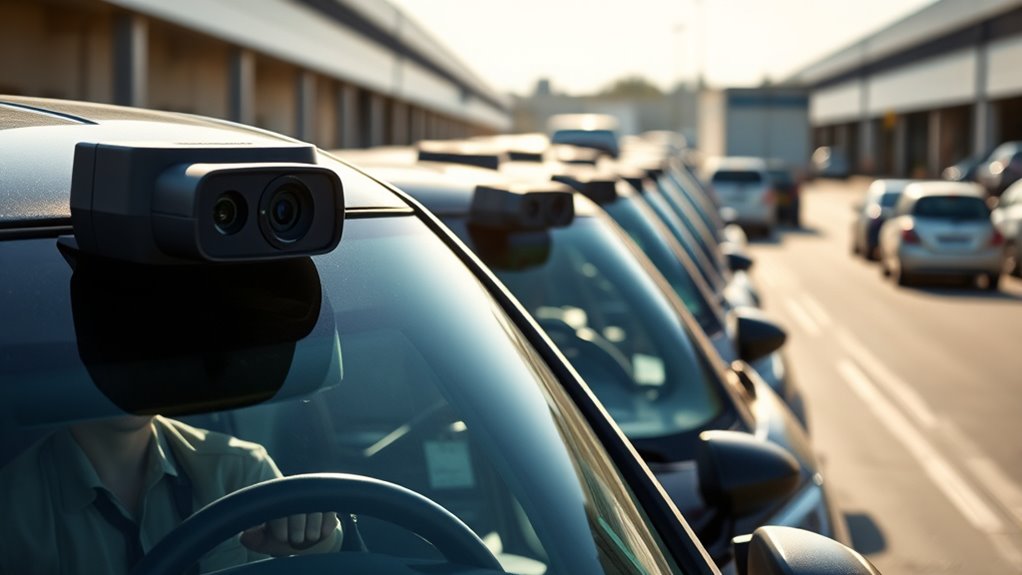
Have you ever wondered what types of data dash cams collect and how they’re used? Dash cams capture video footage of driving behavior, road conditions, and incidents, providing valuable evidence if needed. They also record real-time data such as speed, location, and time stamps, which help monitor vehicle usage and guarantee safety. This real-time data supports vehicle maintenance by identifying driving habits that may cause wear and tear, enabling preventive care. Additionally, the footage is useful for driver training, helping employees improve their skills and adhere to company policies. By reviewing recordings, you can address unsafe behaviors, promote safer driving practices, and maintain compliance with regulations. Overall, the data collected by dash cams enhances safety, efficiency, and operational oversight.
Employee Consent and Notice Requirements

Did you know that, in many jurisdictions, employers are required to obtain employee consent and provide notice before installing or using dash cams on company vehicles? This ensures transparency around vehicle monitoring and how employee data is collected and used. Providing clear notices helps employees understand what data is being gathered, such as video footage or driver behavior, and the purpose behind it. Employers should also be aware of vehicle monitoring laws and compliance standards to ensure their practices are lawful. In some cases, written consent may be necessary, especially if the monitoring extends beyond basic safety or operational needs. These requirements protect employee rights and prevent potential privacy violations. Understanding employee privacy rights helps employers align their policies with legal requirements. Additionally, staying informed about data collection practices ensures they are transparent and compliant. Incorporating privacy policies that clearly outline monitoring procedures can further promote transparency and trust. Recognizing legal obligations related to employee monitoring is essential to avoid violations and potential legal consequences. By respecting consent and notice rules, you foster trust and ensure your vehicle monitoring practices are compliant with applicable laws.
Best Practices for Implementing Dash Cam Policies

To implement dash cam policies effectively, you need to communicate them clearly to your employees so everyone understands the expectations. You also have to take data privacy into account by setting boundaries on how footage is stored and used. Additionally, obtaining employee consent upfront ensures transparency and helps prevent future disputes. Incorporating security considerations can further enhance the effectiveness and compliance of your dash cam policies. Moreover, understanding privacy regulations relevant to your jurisdiction can help you develop policies that are both effective and legally compliant. Regularly reviewing and updating policies ensures they stay aligned with evolving data protection standards and technological advancements.
Clear Policy Communication
Effective communication is essential when implementing dash cam policies to guarantee employees understand their purpose and scope. Clear messaging helps reinforce vehicle safety and driver accountability. Be transparent about why cameras are installed, how recordings are used, and who has access. Use simple language and provide written guidelines to prevent misunderstandings. Consider a visual aid, like the table below, to clarify key points:
| Aspect | Explanation | Employee Responsibility |
|---|---|---|
| Purpose | Improve vehicle safety and accountability | Follow policies during work hours |
| Recording Scope | When and where cameras operate | Be aware of camera activation |
| Data Access | Who can view recordings | Respect confidentiality |
| Retention Period | How long recordings are stored | Report issues promptly |
| Policy Updates | Changes communicated clearly | Stay informed and compliant |
This approach ensures everyone understands their role in maintaining a safe and accountable work environment.
Data Privacy Considerations
When implementing dash cam policies, prioritizing data privacy is essential to protect employees’ rights and build trust. You should clearly define how employee monitoring data is collected, stored, and used, ensuring transparency. Protecting data security is critical; use secure storage solutions and restrict access to authorized personnel only. Regularly review and update your policies to align with privacy laws and best practices. Limit the scope of data collection to what’s necessary for safety and performance. Inform employees about data handling procedures and safeguards to foster trust. Avoid sharing footage unnecessarily and establish protocols for data retention and deletion. By integrating these privacy considerations, you demonstrate your commitment to respecting employee rights while maintaining effective dash cam use.
Employee Consent Procedures
Implementing dash cam policies without employee consent can lead to trust issues and legal complications. To avoid this, establish clear consent protocols that prioritize transparency and respect surveillance ethics. Communicate openly with employees about the purpose of the dash cams, how footage will be used, and who can access it. Obtain written consent before installation, ensuring employees understand their rights and the company’s responsibilities. Regularly review and update consent procedures to comply with evolving laws and ethical standards. By doing so, you foster trust, demonstrate respect for privacy, and mitigate potential legal risks. Consistent, transparent communication about surveillance practices builds a positive workplace culture and aligns your dash cam policies with best practices for employee consent.
Potential Privacy Risks and How to Minimize Them

While employer vehicles can boost productivity and convenience, they also pose significant privacy risks for employees. Employee monitoring with dash cams can feel intrusive if not handled properly, potentially infringing on personal privacy. To minimize these risks, clear policies should outline what data is collected, how it’s used, and who has access. Ensuring data security is essential; encrypting footage and restricting access prevents unauthorized viewing or leaks. Regularly reviewing monitoring practices helps maintain a balance between safety and privacy. Communicating transparently with employees about monitoring practices fosters trust and reduces concerns. By establishing strict data security measures and transparent policies, you can protect employee privacy while still benefiting from the security and oversight that dash cams provide.
Handling Disputes and Privacy Complaints

When disputes or privacy complaints arise, it’s important to understand your organization’s privacy expectations and limits. Clear dispute resolution procedures help address issues fairly and efficiently. By establishing transparent processes, you can better manage conflicts and protect everyone’s privacy rights.
Privacy Expectations and Limits
Handling disputes and privacy complaints regarding employer vehicles requires clear boundaries and effective communication. You should set expectations about what’s monitored and respect driver privacy. Employees need to understand that dash cams are for vehicle security and monitoring driver behavior, not for invasive surveillance. To avoid misunderstandings, establish policies that specify when recordings are reviewed and how data is handled. Use the table below to clarify the limits:
| Aspect | What’s Allowed | What’s Not Allowed |
|---|---|---|
| Vehicle Security | Monitoring for theft or damage | Using recordings to spy on drivers |
| Driver Behavior | Ensuring safety and compliance | Intrusive surveillance |
| Privacy Boundaries | Clear policies shared upfront | Unauthorized access to footage |
| Dispute Handling | Honest communication and review | Ignoring complaints |
| Data Use | For safety and security only | Sharing data without consent |
Dispute Resolution Procedures
To effectively resolve disputes and address privacy complaints regarding employer vehicles, it’s essential to establish clear procedures that encourage open communication and prompt action. Your dispute resolution process should outline steps for employees to raise concerns about dash cam footage or privacy issues without fear of retaliation. Use conflict management strategies to facilitate fair discussions and ensure all parties understand their rights and responsibilities. Provide a designated point of contact, such as HR or a supervisor, to handle disputes efficiently. Clearly communicate the process in writing, and set timelines for response and resolution. By implementing transparent dispute resolution procedures, you create a respectful environment that balances the employer’s safety interests with employees’ privacy rights.
Future Trends and Technological Considerations
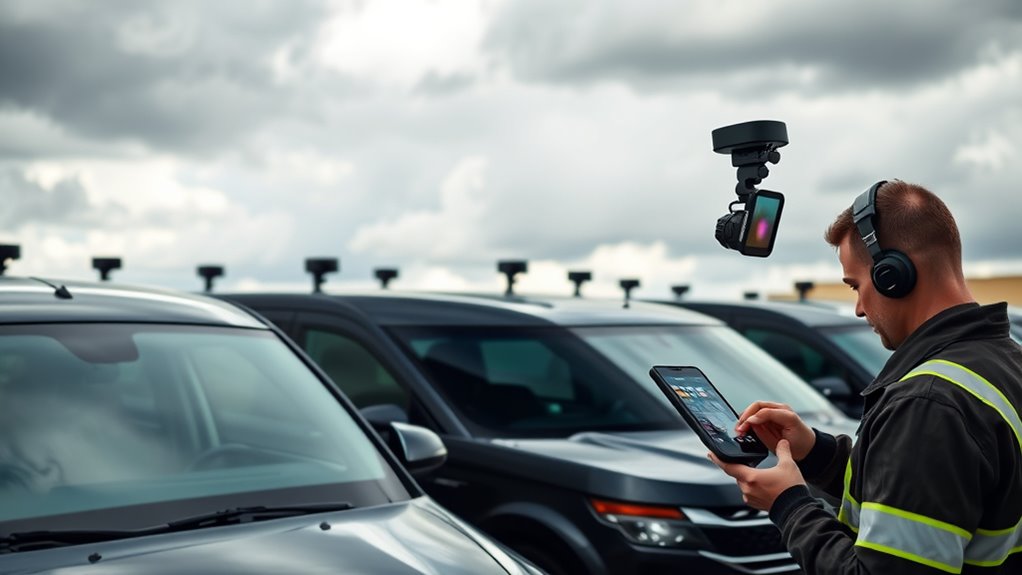
As technology continues to evolve, employer vehicles are poised to see significant changes in design, functionality, and integration. AI integration will enhance dash cams and vehicle systems, allowing real-time analysis of driving behavior and safety risks. Predictive analytics will help you anticipate maintenance needs and identify potential issues before they escalate. Future trends will also focus on increased automation, driver assistance, and seamless data sharing across platforms. Here’s a visual overview:
| Technological Trend | Application |
|---|---|
| AI Integration | Real-time behavior monitoring, safety alerts |
| Predictive Analytics | Maintenance forecasting, risk assessment |
| Automation | Self-driving features, driver assistance |
| Data Sharing | Centralized management, compliance tracking |
These advancements aim to improve safety, efficiency, and oversight for employer vehicle programs.
Frequently Asked Questions
Can Employees Disable Dash Cams During Work Hours?
You generally can’t disable dash cams during work hours because of privacy concerns and your employer’s rights to monitor safety and compliance. Doing so could violate company policies or legal regulations. If you have privacy concerns, discuss them with your employer, but remember that dash cams are usually authorized for work-related reasons. Your rights may be restricted during work hours to ensure safety and accountability.
Are There Specific Industries Where Dash Cams Are Mandatory?
Where there’s smoke, there’s fire—some industries make dash cams mandatory for safety and accountability. You’ll find regulations in transportation, logistics, and delivery sectors, where fleet management relies heavily on dash cams to monitor driver behavior and protect assets. These industry regulations guarantee compliance and promote safety, making dash cams a standard requirement. If you’re in these fields, expect dash cams to be part of your vehicle’s safety equipment.
How Long Is Dash Cam Footage Retained by Employers?
You’re likely to find that employers typically retain dash cam footage for a period ranging from 30 to 90 days, depending on company policies and privacy concerns. They do this to balance safety and security with privacy concerns, ensuring footage is available for investigations or disputes. After this retention period, the footage is usually deleted unless needed for legal reasons, so it’s important to know your company’s specific policies.
Can Employees Access Footage Recorded by Their Company’s Dash Cams?
You can usually access footage recorded by your company’s dash cams, but it depends on your employer’s policies and local laws. While it might feel like Big Brother is watching your every move, your privacy concerns and employee rights matter. Employers should provide transparency about footage access, ensuring you know when and how recordings are reviewed. Ultimately, knowing your rights helps you feel more secure and in control of your privacy.
What Are the Penalties for Violating Dash Cam Privacy Laws?
If you violate dash cam privacy laws, you could face serious legal ramifications, including fines or lawsuits. These laws protect your privacy concerns, and breaching them might lead to claims of invasion of privacy or data misuse. You’re responsible for respecting employee rights, so make certain you follow legal guidelines. Ignoring these laws can damage your reputation and lead to costly legal battles, so always prioritize privacy and stay informed about applicable regulations.
Conclusion
While dash cams can protect your business and improve safety, they also raise privacy concerns that can’t be ignored. Balancing these interests requires clear policies and respect for employee rights. You might think security is worth any trade-off, but neglecting privacy can damage trust and morale. Ultimately, responsible use of dash cams isn’t just about technology—it’s about maintaining transparency and respect in your workplace. Striking that balance keeps everyone safer and more respected.