
Whether you need to tell others they’re being recorded in your car depends on local laws and privacy expectations. In many areas, recording audio or video without informing others can be illegal, especially if it involves private conversations or spaces. You should consider how your state treats consent requirements, and always be transparent to avoid legal issues or damaging trust. Continuing with the details can help you understand your responsibilities better and ensure you’re fully compliant.
Key Takeaways
- Laws regarding recording in vehicles vary by state; some require informing all parties, others do not.
- In many jurisdictions, you must disclose recording, especially for audio, to comply with privacy laws.
- Passengers and other drivers generally have a reasonable expectation of privacy, making disclosure important.
- Failing to inform others about recording can lead to legal penalties and damage trust.
- Transparency and proper disclosure help ensure ethical recording practices and legal compliance.
Legal Requirements for Recording in Private Spaces

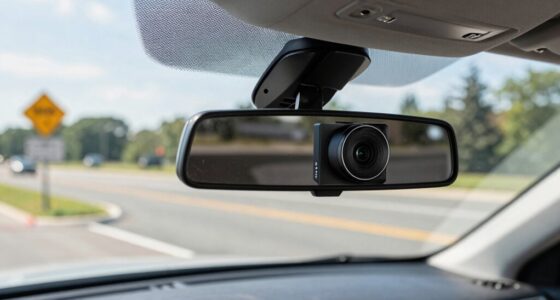
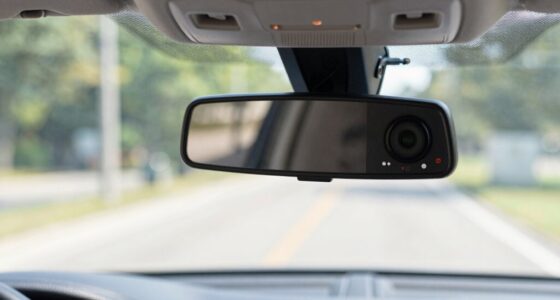
When it comes to recording inside private spaces like your car, understanding the legal requirements is essential. Your recording equipment must comply with local laws, which often focus on protecting passenger privacy. Generally, if you’re using a dashcam or other recording devices, it’s wise to ensure they don’t infringe on others’ reasonable expectations of privacy. In many jurisdictions, recording audio or video without consent may be illegal, especially if passengers are involved. To stay within legal boundaries, consider informing passengers that their conversation or actions are being recorded. This transparency helps prevent legal issues and respects privacy rights. It’s also important to be aware of recording laws and regulations regarding recording devices in private spaces. Always review your local laws before installing or operating recording equipment in your car to avoid unintended violations. Additionally, understanding privacy rights can help you navigate the legal landscape more effectively. Knowing the privacy regulations specific to your region can further ensure compliance and protect you from potential legal repercussions. Moreover, being aware of wave and wind considerations can influence the placement and usage of recording devices to minimize interference and maintain audio quality.
State Laws and Variations in Recording Regulations
Laws governing recording in vehicles vary considerably from state to state, making it important to understand your local regulations before installing any recording devices. Some states require you to inform all parties about audio surveillance, while others have more lenient rules. When it comes to data storage, you must know how long you can keep recordings and whether you need to delete them after a certain period. Certain states restrict recording conversations without consent, affecting both audio and video recordings. Failing to comply with these regulations could lead to legal consequences. Always research your state’s specific laws to ensure you’re meeting requirements. Being informed helps you avoid legal pitfalls and ensures your recording practices are compliant with local regulations.
When Is Consent Necessary for Recording in Your Car?
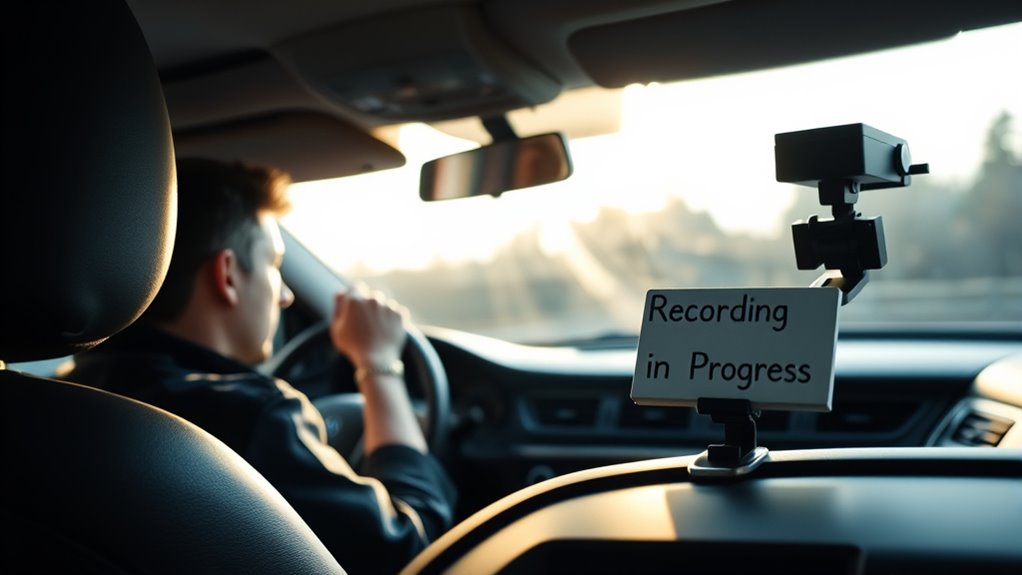
Understanding when you need consent to record in your car depends on your state’s laws and whether you’re in a private or public space. In some cases, you can record without permission, but in others, you must get consent first. Knowing these rules helps you avoid legal trouble and respects others’ privacy.
State Recording Laws
Have you ever wondered if you need permission to record audio inside your car? State recording laws vary, so understanding when consent is required is essential to respect vehicle privacy and uphold recording ethics. Some states follow one-party consent laws, meaning you can record if you’re part of the conversation, while others require all parties to agree. These regulations are designed to protect individual privacy rights, especially in private settings like your car. Ignoring state laws can lead to legal trouble, even if your intentions are innocent. Before recording, research your state’s specific rules to ensure you’re compliant. Knowing when consent is necessary helps you avoid infringing on privacy rights and keeps your recording practices within legal boundaries.
Private vs. Public Spaces
Determining whether you need consent to record in your car depends largely on whether you’re in a private or public space. In private settings, such as your personal vehicle with family or friends, recording can raise privacy invasion concerns, and ethical considerations come into play. You generally need consent to avoid infringing on others’ privacy rights. However, if you’re in a public space or a place where there’s no reasonable expectation of privacy, recording might be permissible without explicit permission. It’s important to recognize the boundaries between private and public areas to avoid legal issues and maintain ethical standards. Being transparent about recording helps prevent privacy invasion and shows respect for others’ rights, even when laws may not explicitly require consent. Understanding privacy laws is essential to ensure you’re compliant and respectful of others’ rights. Additionally, familiarizing yourself with local recording regulations can help you avoid unintentional legal violations. Knowing how privacy expectations differ in various settings can guide your decision-making about recording. Recognizing the distinction between public and private spaces can help you navigate when recording is appropriate and when it might infringe on someone’s rights.
Consent Exceptions
While many states require consent before recording in private spaces, there are notable exceptions when it comes to your car. If you’re recording in a situation where only one person is involved, such as your own vehicle, you may not need to obtain consent, depending on local laws. These consent exceptions often hinge on the concept of audio privacy—if you’re recording conversations where you’re a participant, it might be legal without explicit permission. Additionally, understanding Free Floating laws can help clarify when recording is permissible without consent. It’s also important to consider state-specific laws, as legal requirements can vary significantly across jurisdictions. Recognizing electrical safety considerations ensures that your recording devices and installations do not pose hazards. Practicing good recording etiquette is essential to avoid privacy violations or legal issues. If others are involved, informing them about the recording helps maintain transparency and respect for their privacy. Being aware of wireless communication regulations can also prevent unintentional violations when using mobile recording devices. Always check your state’s laws to understand when consent is necessary, especially in scenarios involving multiple parties or shared spaces.
Privacy Expectations of Passengers and Other Drivers
When you record audio or video inside your vehicle, it’s important to take into account the privacy expectations of passengers and other drivers. Passengers may feel uncomfortable if they’re unaware they’re being recorded, which can impact their comfort and trust. Additionally, other drivers on the road might not expect their conversations or actions to be captured, especially if your recordings are audible or visible. Good audio quality is essential so that recordings don’t pick up unintended sounds or conversations, which could invade privacy. Being transparent about your recording practices helps maintain respect for others’ privacy. Remember, respecting these expectations fosters a more comfortable environment and reduces potential legal issues related to recording without consent. Understanding privacy laws relevant to recording in vehicles can help you avoid inadvertent legal complications. Moreover, being aware of audio recording regulations ensures you stay compliant with local and federal laws governing privacy rights. Incorporating audio quality considerations when recording can also prevent capturing sensitive or private information unintentionally. Additionally, considering legal requirements for disclosure can help you ensure full compliance and avoid misunderstandings. It’s also advisable to familiarize yourself with privacy expectations to better respect the comfort levels of everyone involved.
Proper Use of Dashcams and Mobile Devices

Using dashcams and mobile devices responsibly while driving is essential for safety and legal compliance. Proper device placement ensures the camera captures clear footage without obstructing your view or distracting you. Position your dashcam where it won’t interfere with airbags or block important mirrors. When recording audio, focus on maintaining good audio quality—use devices with clear microphones and minimize background noise. Avoid mounting devices too close to your face or in areas that may interfere with your driving. Keep the camera stable to prevent shaky footage, which can reduce both video and audio clarity. Additionally, selecting a camera with effective navigation and mapping features can help you position it optimally for better coverage. Proper placement also involves understanding device safety to prevent accidental damage or interference with vehicle controls. Remember, responsible use of these devices helps you stay focused on the road, captures useful evidence if needed, and respects legal boundaries around recording while driving. Be aware that detect passive voice in your writing can improve clarity and professionalism. Incorporating supportive safety guidelines further ensures you adhere to best practices for recording in your vehicle.
Risks of Recording Without Disclosure
Recording without disclosure can lead to serious legal problems if you’re caught, and you might face penalties or lawsuits. It also risks breaching privacy expectations, which can damage your relationships and reputation. Ultimately, failing to be transparent can harm your trust and credibility with others. Being aware of privacy laws and ensuring proper disclosure can help you avoid these issues. Additionally, understanding the ethical considerations of recording can prevent potential conflicts and maintain respect for others’ privacy. Familiarity with recording laws in your jurisdiction can further protect you from inadvertent violations. Considering the potential consequences of secret recordings is essential to maintaining lawful and respectful behavior. Recognizing how software quality assurance plays a role in developing trustworthy tools can also be relevant when dealing with recording devices.
Legal Repercussions Possible
If you record someone in your car without their knowledge, you could face serious legal consequences. Laws about audio recording and video surveillance vary, but many jurisdictions require consent for recording conversations or capturing video. Violating these rules can lead to lawsuits, fines, or criminal charges.
Here are some risks to contemplate:
- You might be sued for invasion of privacy if the person feels their rights were violated.
- Unauthorized audio recording can be considered illegal wiretapping, especially if only one party isn’t aware.
- Using video surveillance without disclosure could breach privacy laws, leading to criminal or civil penalties.
Always check your local laws before recording in your car. Even if it’s for your safety, failing to comply with legal standards can backfire and expose you to significant repercussions.
Privacy Expectations Breached
When you record someone in your car without telling them, you risk violating their reasonable expectation of privacy. They might not expect to be recorded, especially during private conversations. Poor device placement can impact audio quality, making the recording sound distant or unclear, which could reduce the perceived privacy breach. Conversely, a well-placed device captures clearer audio, making it obvious that conversations are being recorded. This transparency can help manage privacy expectations but still doesn’t eliminate the risk of infringing on someone’s privacy rights. People generally assume their private conversations are off-limits unless explicitly informed. Recording without disclosure can lead to feelings of mistrust and invasion, even if the audio quality is excellent. Always consider these risks before recording in your car.
Trust and Credibility
Trust and credibility are easily damaged when you record someone in your car without telling them. If you don’t provide clear dashcam disclosures, you risk losing their trust and damaging your reputation. People value their driver privacy, and secretly recording can make them feel violated. Here are three ways this impacts trust:
- It creates suspicion, making others question your intentions.
- It undermines your credibility if they find out later you didn’t disclose recording.
- It can lead to legal issues that tarnish your reputation and relationships.
Being transparent with dashcam disclosures helps maintain trust and shows you respect others’ driver privacy. Respecting these boundaries keeps your credibility intact and avoids unnecessary conflicts.
Frequently Asked Questions
Can I Record My Passengers Without Their Knowledge Legally?
You can record your passengers without their knowledge, but privacy concerns and consent requirements vary by jurisdiction. Generally, if you’re in a one-party consent state, you can record as long as you’re part of the conversation. However, in two-party consent states, everyone involved must agree to the recording. Always check local laws to avoid legal issues, and consider informing passengers to respect their privacy and build trust.
Are There Specific Rules for Recording Commercial Versus Personal Vehicles?
Yes, there are specific rules for recording in commercial versus personal vehicles. You must consider privacy concerns and consent requirements, which tend to be stricter in commercial settings. In personal vehicles, laws vary by state, but generally, informing passengers about recording helps avoid legal issues. Always check local regulations to ensure you’re compliant, and prioritize transparency to respect everyone’s privacy and avoid potential legal complications.
How Does Recording in a Ride-Share Vehicle Differ Legally?
Imagine your ride as a delicate dance, where trust and privacy lead. In a ride-share vehicle, you must navigate legal steps carefully. Legally, recording involves privacy concerns and consent requirements—passengers should be informed to respect their rights. Failing to do so could break the rhythm of trust, risking legal trouble. Always tell your passengers about recording; transparency keeps the dance smooth and respectful, safeguarding everyone’s privacy.
What Penalties Exist for Secretly Recording in My Car?
If you secretly record in your car, you risk penalties for violating audio privacy and consent requirements. Laws vary by state, but many require all parties to be aware of and consent to recording. Penalties can include fines, lawsuits, or criminal charges. To avoid legal trouble, always inform passengers about recording and obtain their consent, respecting their privacy and complying with applicable laws.
Do Recording Laws Vary if I Use a Smartphone Versus a Dedicated Dashcam?
They say, “forewarned is forearmed,” so your recording device choice matters. Laws differ if you use a smartphone or a dedicated dashcam. Generally, smartphone recordings may fall under privacy concerns and consent requirements more strictly, especially if capturing audio. Dashcams often have clearer legal guidelines, but you still need to be aware of state-specific laws. Always check local regulations to avoid violating privacy rights when recording in your car.
Conclusion
Knowing when to tell your passengers or other drivers they’re being recorded can save you from legal headaches down the road. Always stay informed about your state’s laws and respect privacy boundaries—after all, honesty is the best policy. If you choose to record, do so transparently to avoid falling into hot water. Remember, it’s better to be safe than sorry, so keep open communication and cover your bases before hitting the road.