TL;DR

Get garage and car supplies delivered free — and shop member deals
- Fast, free delivery on millions of items
- Access to Prime Big Deal Days deals on October 6–7
- Prime Video, Amazon Music and more included
A provision in the 2021 infrastructure law directs the National Highway Traffic Safety Administration to set a standard for advanced technology intended to prevent impaired driving in new vehicles. The law does not authorize authorities to remotely disable cars, and NHTSA missed its original 2024 deadline; rules are now due by November 2027. The technology’s final design and safeguards remain unsettled.
A provision in the 2021 Infrastructure Investment and Jobs Act requires the National Highway Traffic Safety Administration to develop a standard for advanced drunk- and impaired-driving prevention technology in new vehicles. It does not give police or other officials authority to remotely shut down cars, and the agency’s rulemaking deadline has moved from 2024 to November 2027.
Section 24220, called the Halt Drunk Driving Act, directs NHTSA to establish a federal motor vehicle safety standard for technology intended to prevent or limit vehicle operation when impairment is detected. The legislation describes two possible approaches: a system that monitors a driver’s behavior for signs of impairment, or one that monitors blood alcohol concentration to determine whether the driver is over the legal limit.
The law says the technology must be able to intervene in vehicle operation if it detects impairment. It does not specify a single device or detection method in the supplied account. Existing ignition interlocks generally require a driver to pass a breath test before starting a vehicle and are used in specific circumstances, such as after a court order. The law contemplates a broader standard for new cars rather than that limited, driver-initiated setup.
The original deadline for NHTSA to finalize its rules was 2024, but the agency missed it. The current deadline is November 2027. The rule has not yet been finalized, so the exact requirements automakers will have to meet are not established by the source material.
How the Standard Could Affect Drivers
The proposal matters because it would make some form of impaired-driving prevention technology a requirement for new vehicles, potentially placing automated monitoring and intervention in ordinary cars. That could change how drivers interact with their vehicles and how automakers determine when operation should be limited.
The distinction between an intervention by a vehicle system and a remote shutdown by government officials is central. The law described here does not authorize authorities to send a remote command to disable a car. At the same time, requiring a vehicle to restrict operation based on a system’s assessment raises practical questions about accuracy, driver control and how mistakes would be handled. Those issues cannot be resolved until the standard is written.
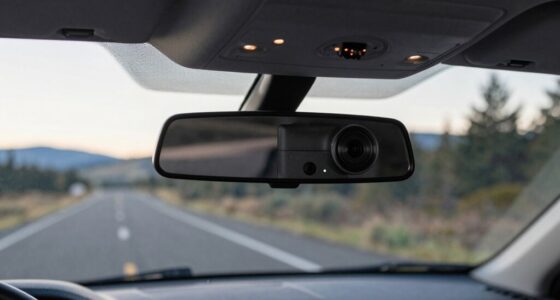
driver impairment detection system for cars
As an affiliate, we earn on qualifying purchases.
As an affiliate, we earn on qualifying purchases.
From 2021 Law to 2027 Deadline
The requirement was included in the Infrastructure Investment and Jobs Act, a $1.2 trillion law passed in 2021. The legislation covered a range of matters, including the impaired-driving provision in Section 24220. It assigned NHTSA the task of setting a standard; it did not itself lay out a finished technical design for vehicles.
Existing ignition-interlock devices provide a limited point of comparison: they can prevent a vehicle from starting unless a driver passes a breath test, and are typically installed in particular cases. The law’s envisioned standard would apply more broadly to new cars. The original report says such systems could make use of sensors and cameras already present in some vehicles, but the final rule’s technical requirements have not been set.
““advanced drunk and impaired driving prevention technology””
— Section 24220 of the Infrastructure Investment and Jobs Act, as described in The Drive’s report
As an affiliate, we earn on qualifying purchases.
Key Design and Privacy Questions
The final standard’s detection methods, performance thresholds and safeguards remain unknown in the supplied material. It does not say how a system would distinguish impairment from other driver behavior, how often it might incorrectly restrict a vehicle, or what drivers could do if they believe a detection is wrong.
It is also unclear what data a system might collect, how long any data would be retained, or who could access it. The law’s described options include behavioral monitoring and blood-alcohol monitoring, but the source does not identify which approach NHTSA will require or whether automakers could meet the standard in different ways. Claims that the provision already creates a government remote kill switch go beyond what the law, as described, authorizes.
As an affiliate, we earn on qualifying purchases.
NHTSA Rulemaking Due in 2027
NHTSA is expected to complete the rulemaking by the revised November 2027 deadline. The agency’s final standard will determine what technology qualifies, how vehicles must respond to detected impairment and when manufacturers must comply. Until that rule is issued, the precise system drivers may encounter and the protections around its use remain unsettled.
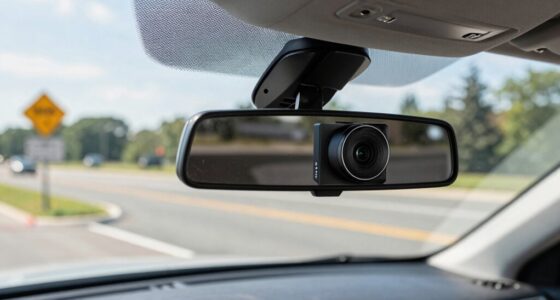
advanced impaired driving prevention technology
As an affiliate, we earn on qualifying purchases.
As an affiliate, we earn on qualifying purchases.
Key Questions
Does the law let police remotely turn off a car?
No. The source describes a law directing NHTSA to set an impaired-driving prevention standard. It does not grant police or other officials authority to remotely disable vehicles.
What technology does the law describe?
It describes either a system that monitors driver behavior for signs of impairment or one that monitors blood alcohol concentration. The final standard has not been set.
When was the rule supposed to be completed?
The original deadline was 2024. NHTSA missed it, and the revised deadline is November 2027.
Will the system be the same as an ignition interlock?
Not necessarily. Existing ignition interlocks usually require a breath test before starting a car in specific circumstances. The law calls for a broader standard for impaired-driving prevention technology in new vehicles.
What is not yet known?
The final detection method, how a vehicle would respond, the safeguards against errors and the rules for data collection and access remain unclear until NHTSA completes its standard.
Source: rss
Halloween Picks
halloween
As an affiliate, we earn on qualifying purchases.