
TL;DR

Get business pricing on garage and car supplies
- Business-only prices and quantity discounts
- Tax-exempt purchasing
- Multiple users, one account, clear invoices
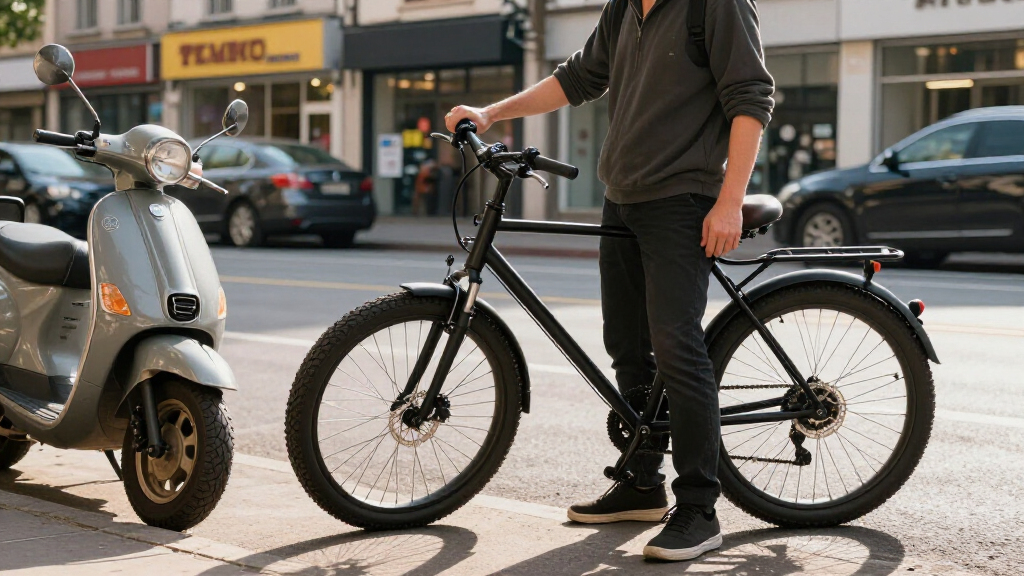
The classification of certain electric bicycles as either e-bikes or mopeds remains disputed, with opinions varying among regulators, manufacturers, and riders. The debate influences legal, safety, and market considerations.
Discussions around whether certain electric bicycles should be classified as mopeds or e-bikes are intensifying, driven by differing regulations and perceptions among stakeholders. While some authorities and manufacturers argue these vehicles meet criteria for one classification, others see them as fundamentally different. This debate has implications for riders, safety standards, and market regulation.
The core issue centers on how to classify electric bicycles that can reach higher speeds and have motor power outputs similar to mopeds. Some jurisdictions define e-bikes as pedal-assist vehicles limited to specific speeds (typically 20 mph), whereas mopeds often have higher speed capabilities and require registration, licensing, and insurance. The ambiguity arises because certain models blur these lines, with some capable of exceeding the legal e-bike speed limit but not explicitly designed as mopeds.
Regulators in various regions are grappling with how to categorize these vehicles. For example, in some US states, the classification depends on motor power and speed capabilities, leading to inconsistent enforcement and legal ambiguity. Manufacturers are also caught in the middle, designing vehicles that meet diverse regulatory standards across markets, which can influence their features and marketing claims.
Experts note that the classification impacts safety standards, liability, and rider rights. If a vehicle is classified as a moped, it generally requires registration, licensing, and insurance, adding costs and regulatory burdens. Conversely, if deemed an e-bike, it might be exempt from such regulations, making it more accessible but raising safety concerns.
Implications for Riders, Regulators, and Manufacturers
This ongoing debate affects how electric bikes are regulated, insured, and marketed. For riders, classification determines legal riding areas, safety requirements, and liability. For manufacturers, it influences design choices, compliance costs, and market access. Regulators face the challenge of creating clear standards that balance innovation, safety, and consumer protection.
As an affiliate, we earn on qualifying purchases.
Historical and Regulatory Background of E-Bike Classifications
The classification of electric bicycles has evolved over the past decade as technology advanced and consumer interest surged. Initially, many regions adopted simple definitions based on motor power and speed limits, but as models capable of higher speeds emerged, regulators struggled to keep pace. In the US, federal law defines low-speed electric bikes as those with pedal assistance and a maximum speed of 20 mph, but states vary in enforcement and additional requirements. Similar discrepancies exist internationally, with some countries imposing strict licensing and registration for higher-powered models, while others maintain lenient standards.
The controversy has intensified as manufacturers produce versatile models that can be ridden as traditional bikes or, with minor modifications, as mopeds, leading to ambiguity in legal classification. This has prompted calls for clearer, standardized regulations to avoid confusion and ensure safety.
As an affiliate, we earn on qualifying purchases.
Unclear Regulatory Standards and Future Classifications
It remains unclear how authorities worldwide will resolve the classification debate, especially as vehicle capabilities evolve. Regulatory agencies are considering updates, but no unified standard has been announced. It is also uncertain how courts or policymakers will interpret existing laws as more models with higher speeds and power come to market.
As an affiliate, we earn on qualifying purchases.
Potential Regulatory Reforms and Market Responses
Regulators are expected to review and potentially update standards to clarify classifications for high-performance e-bikes. Manufacturers may adjust designs to ensure compliance or to avoid legal complications. Stakeholders are watching for official guidance or legislation that could redefine the boundaries between e-bikes and mopeds, affecting market access and rider safety.
As an affiliate, we earn on qualifying purchases.
Key Questions
Why is there confusion over e-bike and moped classifications?
The confusion stems from vehicles that can reach speeds and have motor outputs similar to mopeds but are marketed or designed as e-bikes, leading to inconsistent regulations across regions.
How could this classification impact riders?
If classified as mopeds, riders might need registration, licensing, and insurance, whereas e-bike classification often exempts them from such requirements. This affects safety, legal rights, and costs.
Are there any upcoming regulatory changes?
While discussions are ongoing, no definitive regulatory reforms have been announced yet. Authorities are considering updates to clarify standards for high-speed electric vehicles.
What are manufacturers doing about this ambiguity?
Manufacturers are designing vehicles to meet the most restrictive standards in target markets, sometimes creating multiple versions or adjusting features to ensure compliance with local laws.
When might consumers see clearer regulations?
Regulatory agencies are expected to review standards within the next year, but the timeline for clear, universal regulations remains uncertain.
Source: rss
Fall Picks
fall essentials
As an affiliate, we earn on qualifying purchases.