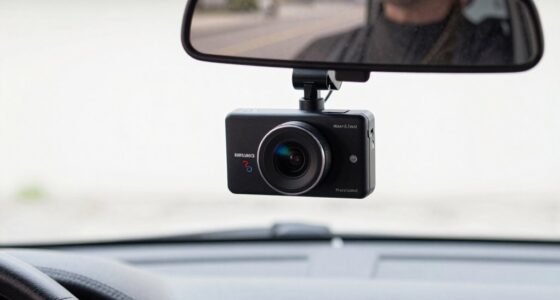

To keep your dash cam use responsible and defendable, follow legal guidelines by understanding local recording laws and avoiding private or private property footage. Focus on capturing essential road incidents and avoid private conversations to respect privacy. Regularly back up and store footage securely, ensuring it remains unaltered for credibility. Stay informed about policies from authorities and insurers, and always act ethically by avoiding tampering. Continuing this approach helps you navigate the complexities of responsible dash cam use effectively.

Get business pricing on garage and car supplies
- Business-only prices and quantity discounts
- Tax-exempt purchasing
- Multiple users, one account, clear invoices
Key Takeaways
- Ensure recordings focus on the road and relevant incidents, avoiding private or intrusive footage.
- Familiarize yourself with local laws and regulations to maintain legal compliance.
- Regularly back up and securely store footage to prevent data loss and unauthorized access.
- Avoid editing or tampering with recordings to preserve their integrity and credibility.
- Refrain from sharing footage without proper consent to respect privacy and uphold ethical standards.
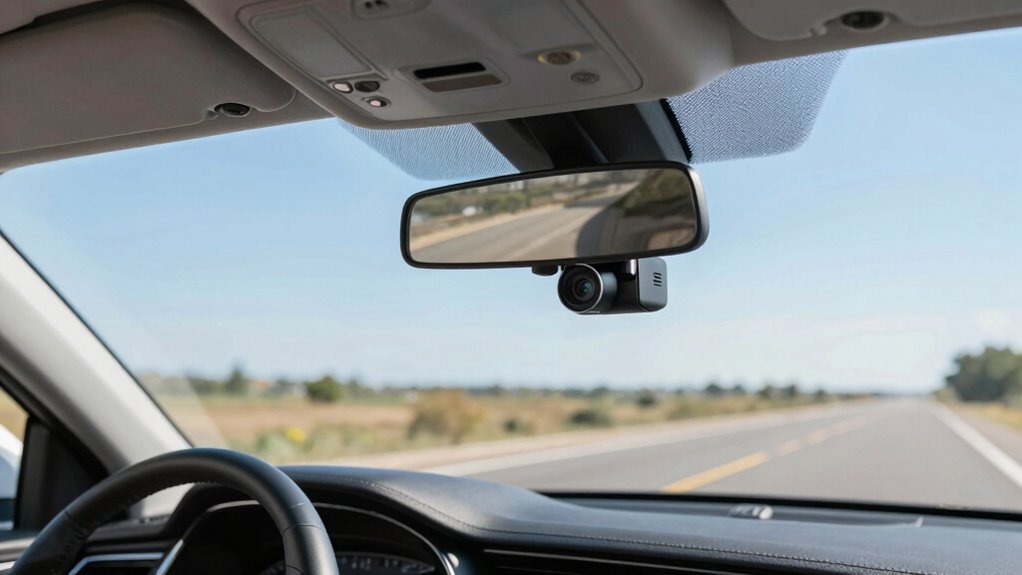
While dash cams can be valuable tools for protecting yourself on the road, using them responsibly is vital to guarantee your recordings are both legal and defensible. To do this, you need to be mindful of privacy concerns and legal considerations that come with recording in public or private spaces. Understanding the laws in your area helps prevent unintentional violations that could undermine your case or expose you to legal trouble. For instance, some jurisdictions restrict recording audio without consent, so it’s essential to know whether your dash cam’s microphone is active and how that aligns with local regulations.
Respecting privacy isn’t just about avoiding legal trouble; it’s about maintaining ethical standards. When recording, avoid capturing images or conversations that aren’t relevant to your safety or the incident at hand. If you’re involved in an accident or dispute, having clear, relevant footage is more effective than a broad, indiscriminate recording. Keep your dash cam focused on the road ahead and avoid filming inside other vehicles or private property unless absolutely necessary. This approach minimizes privacy concerns and helps guarantee your recordings are admissible and credible in legal situations.
Another key aspect is understanding how to handle your recordings properly. Save and back up footage regularly, and know how to securely store your videos to prevent unauthorized access. If your recordings are ever used as evidence, having an organized, unaltered file can strengthen your case. Be cautious about sharing footage publicly or with third parties unless required by law or with clear consent, as this can lead to privacy violations and potential legal issues. Additionally, familiarize yourself with the policies of your insurance provider and local law enforcement regarding dash cam footage. Some agencies may require specific formats or metadata, so knowing these details beforehand ensures your recordings are useful when needed. Furthermore, understanding recording regulations helps you stay compliant and avoid inadvertent breaches that could compromise your legal standing. Lastly, avoid tampering with or editing footage in ways that could be seen as misleading or deceptive. Integrity in your recordings supports their credibility and helps protect you if disputes escalate.
Products Worth Considering

Garmin Dash Cam 20 Standalone Driving Recorder

Garmin Dash Cam 47, 1080p HD, 140° Field of View, Voice Control, Includes 16 GB Memory Card

VIOFO A329S 4K 60FPS Front and 2K Rear Dash Cam
As an affiliate, we earn on qualifying purchases.
Frequently Asked Questions
Can Dash Cam Footage Be Used as Legal Evidence in Court?
Yes, dash cam footage can be used as legal evidence in court, but you should be aware of its legal implications and privacy concerns. Make sure your footage is clear, properly stored, and obtained legally, respecting privacy laws. Keep in mind that unlawfully recorded footage or invasion of privacy might weaken your case or lead to legal issues. Using dash cam evidence responsibly boosts its defensibility and helps you avoid potential legal pitfalls.
How Do I Ensure My Dash Cam Recordings Respect Privacy Laws?
To guarantee your dash cam recordings respect privacy laws, you should implement data encryption to protect the footage from unauthorized access. Additionally, meet consent requirements by informing others that they’re being recorded, especially if they’re in private areas or if laws specify. Regularly review local regulations to stay compliant, and avoid recording in sensitive or private spaces without explicit permission. This approach keeps your dash cam use responsible and legally sound.
What Are the Best Practices for Sharing Dash Cam Footage Publicly?
When sharing dash cam footage publicly, prioritize ethical considerations by blurring faces and license plates to protect privacy. Make sure you have permission if identifying individuals or private property. Be transparent about the purpose of sharing, avoiding sensationalism. Respect legal boundaries and avoid sharing footage that could lead to defamation or invasion of privacy. Following these best practices helps you responsibly share footage while maintaining trust and complying with privacy laws.
Are There Any Restrictions on Recording Audio With My Dash Cam?
You can record audio with your dash cam, but you ought to know audio recording laws and privacy considerations before doing so. Visualize your recordings as capturing a conversation through a window—you’re observing, but not necessarily invited to listen. Laws vary by location; some places require all-party consent, while others don’t. Always respect privacy and check local regulations to make sure your recordings stay responsible and legal.
How Can I Prevent My Dash Cam From Invading Other Drivers’ Privacy?
To prevent your dash cam from invading other drivers’ privacy, respect privacy concerns and consider consent considerations. Avoid recording in private areas or homes, and keep footage only for necessary evidence. Use your dash cam discreetly, and disable audio recording if it raises privacy issues. Being transparent with passengers and other drivers about your dash cam use can also help maintain trust and guarantee you’re acting responsibly.
Conclusion
By using your dash cam responsibly, you not only protect yourself but also contribute to safer roads. Remember, over 70% of drivers admit to distracted driving at some point, so your dash cam can serve as vital evidence if needed. Always respect privacy, avoid tampering, and stay within legal boundaries. When used responsibly, your dash cam becomes a powerful tool for accountability and peace of mind, making every drive safer for everyone.