Fuse taps let you add new circuits to your vehicle safely by tapping into existing fuse slots. They’re handy but require proper installation to avoid issues like shorts, overloads, or fires. Using the wrong fuse size, connecting to the wrong circuit, or securing wires poorly can cause serious problems. By understanding the basics and following correct techniques, you can do it safely—continue to explore these key steps for a reliable setup.

Get business pricing on garage and car supplies
- Business-only prices and quantity discounts
- Tax-exempt purchasing
- Multiple users, one account, clear invoices
Key Takeaways
- Fuse taps allow tapping into vehicle fuse slots for additional circuits without rewiring the entire system.
- Incorrect fuse tap selection or installation can cause electrical faults, overloads, or fires.
- Proper matching of fuse size, wire gauge, and circuit compatibility is essential for safety.
- Turning off the vehicle and securing connections tightly prevent shorts and malfunctions.
- DIY mistakes often stem from improper techniques, leading to unreliable or hazardous electrical connections.
Understanding the Purpose of Fuse Taps
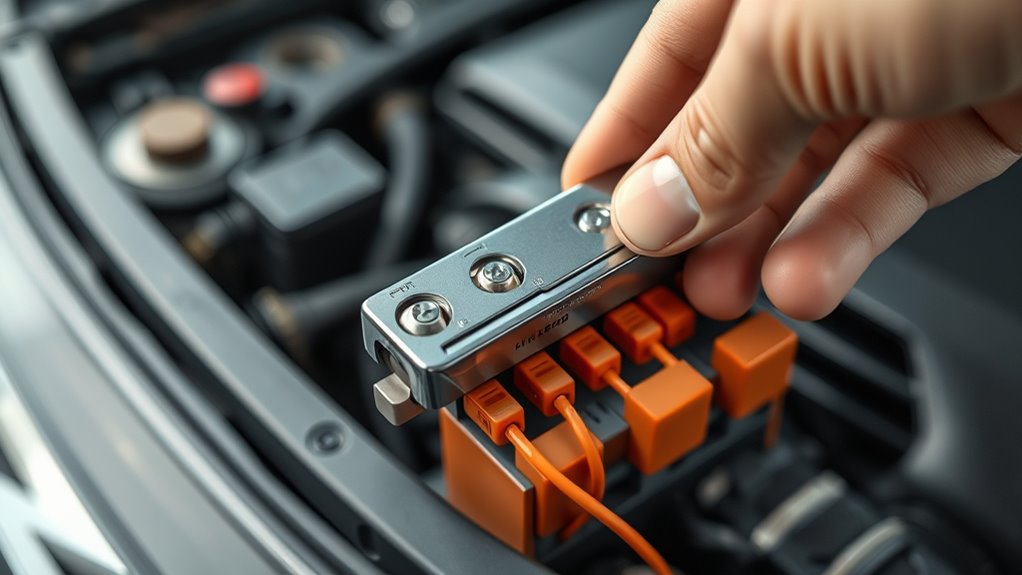
Have you ever wondered why fuse taps are essential when adding new circuits to your vehicle? They allow you to tap into an existing fuse slot, providing power for accessories or upgrades without rewiring the entire system. Understanding fuse tap compatibility is vital; not all fuse taps fit every vehicle or fuse type, so choosing the right one prevents damage and guarantees proper function. Safety precautions are a must—using the correct fuse tap prevents creating short circuits or overloading circuits, which could lead to fires or electrical failures. Proper installation minimizes risks and maintains your vehicle’s electrical integrity. Selecting a fuse tap made from vetted materials ensures durability and safety, further protecting your vehicle’s electrical system. Additionally, understanding your vehicle’s electrical system helps in choosing the correct fuse tap and prevents potential issues. Recognizing fuse types and their specifications is crucial for an effective and safe installation. By choosing a compatible fuse tap and following safety protocols, you ensure a secure, effective addition of new circuits without compromising your vehicle’s safety. A thorough understanding of electrical circuits can make the installation process smoother and more reliable. For example, being aware of the color coding of fuses can help identify the correct circuit to tap into.
Types of Fuse Taps and Their Features

Choosing the right fuse tap depends on understanding the different types available and their specific features. There are various fuse tap varieties designed for different applications, so knowing their features helps you pick the best fit. Some fuse taps offer a simple, one-piece design, making installation quick. Others include built-in circuit protection or multiple outlets for added convenience. The feature comparison among these types highlights differences in wiring complexity, safety features, and compatibility with various fuse sizes. Additionally, selecting a fuse tap with adequate safety features ensures greater protection during installation and operation. Key fuse tap varieties include: – Single-slot fuse taps for basic needs – Multi-slot fuse taps for multiple accessories – Add-a-circuit taps with integrated circuit protection – Compact designs for tight spaces. Understanding fuse tap compatibility is crucial to ensure safe and reliable operation within your vehicle’s electrical system. Being aware of electrical safety considerations helps prevent potential hazards during installation and use. Knowing these options ensures you select the most reliable and safe fuse tap for your DIY project.
Proper Techniques for Installing Fuse Taps
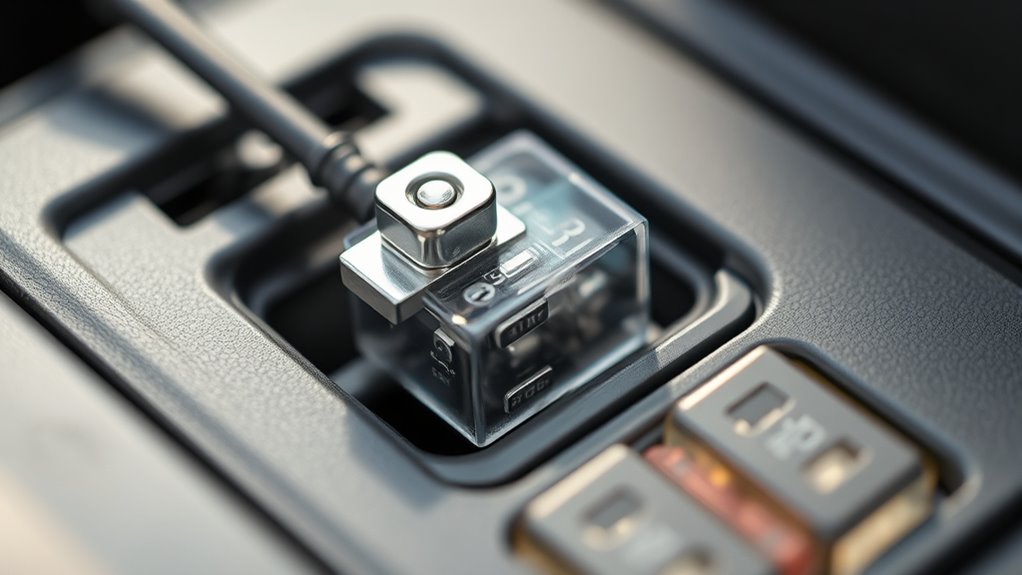
To guarantee a safe and reliable connection, properly installing a fuse tap requires careful attention to detail and adherence to the correct procedure. First, select the right wire gauge to match your vehicle’s wiring and ensure fuse tap compatibility. Use a compatible fuse tap designed for your fuse slot to prevent damage. When installing, turn off the vehicle power, remove the fuse, and insert the fuse tap carefully into the same slot. Secure the wire tightly, avoiding loose connections that could cause shorts. Check that the fuse tap fits snugly without forcing it. Ensuring proper installation techniques is essential for safety and long-term reliability. Additionally, verifying that your setup maintains proper electrical load balance helps prevent potential system issues and enhances overall safety. Being aware of system compatibility can further reduce the risk of electrical problems over time.
Common Errors and Their Consequences

Installing a fuse tap correctly is essential for a safe electrical connection, but common mistakes can lead to serious issues. Poor wiring, incorrect fuse ratings, or neglecting fuse tap safety can cause electrical failures or fires. These DIY pitfalls often result from rushing the process or lacking proper knowledge. Additionally, using appropriate tools during installation can significantly reduce errors and improve safety.
Be aware of these errors:
- Using the wrong fuse size, risking overloads or circuit damage
- Connecting to the wrong circuit, causing malfunction or safety hazards
- Not securing the fuse tap properly, leading to loose connections
- Overloading the fuse tap, risking overheating and fire
- Ignoring proper installation procedures, which can compromise safety and system integrity
Additionally, failure to understand electrical system compatibility can result in incompatible components that jeopardize vehicle safety. These mistakes can compromise your vehicle’s electrical system and pose safety risks. Recognizing common errors helps you avoid costly repairs and dangerous situations, emphasizing the importance of careful installation and adherence to fuse tap safety guidelines.
Tips for Ensuring a Safe and Reliable Installation
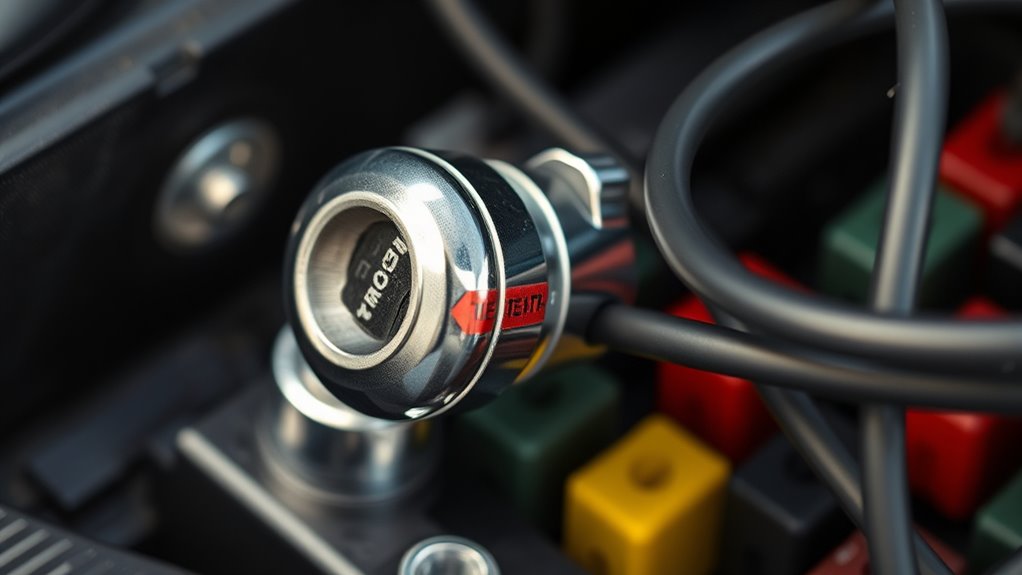
Ensuring a safe and reliable fuse tap installation starts with careful preparation and attention to detail. First, choose the correct wire gauge to match your vehicle’s wiring, guaranteeing it can handle the current load without overheating. Always verify the fuse ratings—using a fuse with the appropriate amperage protects your electrical system from damage or fire. Before connecting, double-check that the fuse tap is designed for your specific fuse type and size. Use insulated tools to prevent accidental shorts, and ensure all connections are secure and free of corrosion. Keep the wiring neat and away from moving parts or heat sources. Additionally, understanding electrical safety protocols can help prevent accidents during installation. Being familiar with free floating wiring concepts can also assist in creating a more adaptable and safe setup. Recognizing the importance of proper wire management can further enhance the durability and safety of your installation. Implementing these best practices from electrical standards can significantly reduce risks and improve your overall setup. Proper testing procedures are essential before finalizing the installation to confirm everything functions correctly and safely. By following these steps, you minimize risks, improve durability, and ensure your installation remains safe and functional over time.
Frequently Asked Questions
Can Fuse Taps Be Used With All Vehicle Electrical Systems?
Fuse taps aren’t compatible with all vehicle electrical systems. You need to check your vehicle compatibility and fuse box types before installation. Some fuse boxes are designed for specific fuse sizes and configurations, so using the wrong fuse tap can cause electrical issues or damage. Always verify your vehicle’s fuse box type and consult a manual or professional to guarantee a safe, proper fit for your fuse tap.
Are There Any Legal Restrictions on Using Fuse Taps?
Imagine installing a fuse tap to power your dash cam; you might wonder about legal restrictions. Generally, fuse tap legality varies by location, and some jurisdictions have strict regulations on modifying vehicle electrical systems. You should check local laws because illegal modifications could void your insurance or lead to fines. Always guarantee your fuse tap use complies with legal standards to avoid potential issues and keep your vehicle safe.
How Do I Identify the Correct Fuse for Tapping?
To identify the correct fuse for tapping, start by examining your vehicle’s fuse box diagram. Look for a fuse that matches your desired circuit’s power requirements, guaranteeing circuit compatibility. Use a fuse selection that matches the amperage rating to prevent overload. Turn off your vehicle, remove the fuse, and double-check its rating before installing the fuse tap. This helps ensure safe, reliable connections without risking damage or electrical issues.
What Tools Are Recommended for a Professional Fuse Tap Installation?
Ready to upgrade your fuse tap installation? Grab a quality wire stripper, needle-nose pliers, and a multimeter for precise wire gauge selection and safety checks. Use insulated tools to avoid shorts, and wear safety goggles. Carefully strip wires and secure connections, guaranteeing your work is neat and protected. With these tools, you assure a professional, safe install that lasts, avoiding common DIY pitfalls. Safety first—your vehicle will thank you.
How Often Should I Inspect Fuse Taps After Installation?
You should inspect your fuse taps every three to six months to make certain they’re secure and functioning correctly. Regular inspection frequency helps catch issues early, like loose connections or corrosion. Use troubleshooting tips such as checking for melted or discolored fuses, testing voltage, and verifying tight connections. Performing these checks keeps your electrical system safe and prevents potential problems from worsening, ensuring your fuse taps stay reliable over time.
Conclusion
Now that you know the essentials, remember that a wrong move with fuse taps can lead to unexpected problems. Are you ready to tackle your installation with confidence? With the right techniques and attention to detail, you can avoid costly mistakes and guarantee your setup is safe and reliable. But beware—one small oversight could turn your DIY project into a troubleshooting nightmare. Stay sharp, and your perfect install awaits just beyond the next step.
Evergreen bestsellers Picks
bestsellers
As an affiliate, we earn on qualifying purchases.