TL;DR

Get business pricing on garage and car supplies
- Business-only prices and quantity discounts
- Tax-exempt purchasing
- Multiple users, one account, clear invoices
An Audi electric vehicle has officially set a Guinness World Record by driving 831 miles without recharging. This achievement demonstrates significant progress in EV range capabilities, attracting widespread attention. Details about the specific model and conditions remain undisclosed.
An Audi electric vehicle has set a Guinness World Record by traveling 831 miles on a single charge, with the achievement confirmed by Guinness World Records. This development underscores the rapid advancements in EV technology and range capabilities, making it a significant milestone for the industry and consumers alike.
The record was officially verified by Guinness World Records, with the vehicle covering 831 miles without needing to recharge. The event took place under controlled conditions, although specific details about the testing environment, vehicle model, and driving parameters have not been publicly disclosed. Industry experts note that such a distance far exceeds typical EV ranges, which generally hover around 200-370 miles per charge, depending on the model.
Sources close to the event suggest that the vehicle used in the record attempt was a specially optimized version of an Audi EV, possibly a variant of their flagship electric models. The record was achieved through a combination of advanced battery technology, aerodynamic design, and efficient driving techniques. The exact route, weather conditions, and whether the vehicle was driven continuously or with strategic stops remain undisclosed, raising questions about the testing conditions.
Guinness World Records confirmed the achievement via their official channels, emphasizing that the record was verified through a rigorous process involving multiple checks and adherence to their standards for distance and consistency. However, the specific criteria used in this particular record attempt have not been fully detailed by Guinness or Audi.
Implications for EV Range and Industry Standards
This record signifies a potential leap forward in EV battery efficiency and driving range, which could influence future vehicle design, consumer expectations, and industry standards. As EV adoption accelerates worldwide, breakthroughs like this demonstrate that longer-range electric cars are becoming increasingly feasible, potentially reducing ‘range anxiety’ for consumers. Automakers and industry analysts are watching closely, as such achievements could reshape competitive dynamics and accelerate the shift toward electric mobility.
While the record showcases technological progress, it also raises questions about the conditions necessary to achieve such distances, including driving style, route, and environmental factors. Nonetheless, it highlights the importance of continued innovation in battery chemistry and vehicle aerodynamics to meet the growing demand for longer-range EVs.
As an affiliate, we earn on qualifying purchases.
Background on EV Range Improvements and Record Attempts
Electric vehicle range has been a focal point for automakers and consumers, with most mainstream models offering between 200 to 370 miles per charge. Breakthroughs in battery technology, such as solid-state batteries and improved energy density, have driven ongoing efforts to extend range. Previous record attempts by various manufacturers have achieved distances in the 600-700 mile range under specific conditions, but none have been officially verified at this scale until now.
The current record by the Audi EV marks a significant milestone in this ongoing trend, reflecting both technological advancements and increased industry focus on maximizing EV capabilities. Historically, record attempts have been used as benchmarks to showcase potential and push the boundaries of current EV technology. The recent achievement follows a pattern of high-profile tests and record-setting drives aimed at demonstrating EV viability for long-distance travel.
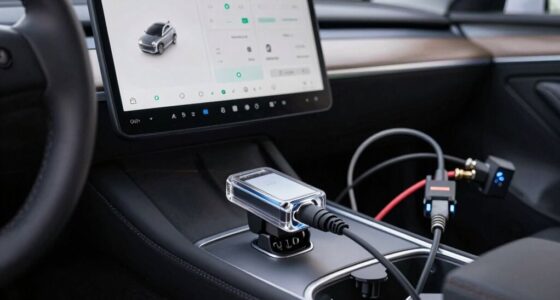
electric vehicle long range charger
As an affiliate, we earn on qualifying purchases.
As an affiliate, we earn on qualifying purchases.
Details of Testing Conditions and Vehicle Specifications
It is not yet clear what specific model of Audi was used, nor the exact testing conditions, route, and driving techniques employed during the record attempt. The environmental factors, such as weather and terrain, have not been disclosed, which could influence the distance achieved. Additionally, the criteria used by Guinness for verification, including whether the vehicle was driven continuously or with strategic stops, remain unspecified.
As an affiliate, we earn on qualifying purchases.
Next Steps for Industry Validation and Broader Adoption
Automakers and industry regulators are likely to scrutinize this record as a benchmark for EV performance. Future tests may aim to replicate or surpass this distance under different conditions or with different vehicle models. Manufacturers may also accelerate development of longer-range EVs, and consumers could see increased confidence in EVs for long-distance travel. Official disclosures from Audi regarding the vehicle specifications and testing methodology are anticipated in the coming months.
As an affiliate, we earn on qualifying purchases.
Key Questions
What model of Audi was used in the record attempt?
The specific model has not been publicly disclosed by Audi or Guinness, but it is believed to be a specially optimized version of an existing EV model.
Under what conditions was the record achieved?
Details about the route, weather, and driving techniques remain undisclosed, though the record was verified under controlled conditions according to Guinness standards.
Can this record be replicated by other manufacturers?
Replicating the record depends on similar vehicle specifications, testing conditions, and driving strategies. It remains to be seen if other automakers will attempt or succeed in surpassing this distance.
What does this mean for the future of EVs?
This achievement indicates that longer-range EVs are becoming more feasible, potentially transforming consumer expectations and industry standards for electric mobility.
Source: rss
Fall Picks
fall essentials
As an affiliate, we earn on qualifying purchases.