
Setting the right voltage cutoff is key to protecting your batteries and ensuring your devices run safely and reliably. If you set it too high, you waste capacity by stopping too early; too low, and you risk damaging the battery or causing safety issues. Many modern drivers let you adjust these settings, so it’s important to tailor them to your specific battery type and age. Keep an eye on your battery health to keep everything running smoothly—more insights await if you explore further.
Key Takeaways
- Proper voltage cutoff settings prevent over-discharging, protecting battery health and ensuring safe device operation.
- Setting cutoff too high wastes capacity; too low risks unsafe battery conditions and potential damage.
- Customizable cutoff points in modern drivers optimize safety and performance based on specific battery types.
- Regularly monitoring and adjusting cutoff settings prolong battery lifespan as batteries age or change.
- Correct cutoff configurations reduce safety risks like overheating and ensure reliable power delivery for everyday use.
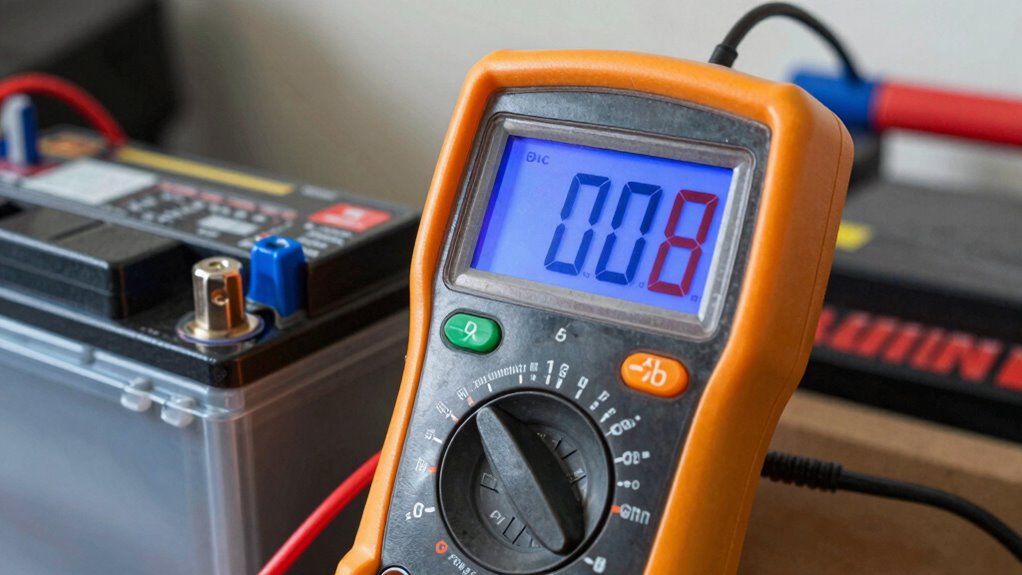
Understanding voltage cutoff settings for drivers is essential for protecting your batteries and guaranteeing safe operation. When you’re dealing with electronic devices or electric vehicles, these settings act as a safeguard to prevent your batteries from over-discharging. If you ignore them or set them improperly, you risk damaging your batteries, which can severely affect their overall health and lifespan. Proper voltage cutoff ensures you don’t push your batteries beyond their safe limits, helping you maintain ideal battery health over time. This is especially important because degraded batteries aren’t just less efficient—they can also pose safety risks, such as overheating or even fires in extreme cases.
Electrical safety is another key reason to pay close attention to these cutoff settings. Over-discharging a battery can lead to unpredictable behavior, including voltage drops that may cause your device to shut down unexpectedly or malfunction. If you’re using a driver that doesn’t have an appropriate cutoff, you could be left with a compromised power source that’s more prone to failure. Properly configured voltage cutoff settings act as a safety net, preventing your batteries from reaching dangerously low voltage levels that could cause internal damage or safety hazards. They also protect your device’s components by ensuring that voltage remains within safe operating ranges.
Choosing the right voltage cutoff isn’t just about setting a number; it’s about understanding your specific battery’s needs. Different batteries have different voltage thresholds, and setting the cutoff too high might lead to incomplete discharges, wasting potential capacity. Conversely, setting it too low could push the battery into unsafe territory. For most everyday drivers, a balanced approach works best—setting the cutoff just above the minimum safe voltage recommended by the manufacturer. This way, you extend your battery’s life without risking damage or safety issues. Many modern drivers and electronic controllers come with configurable cutoff settings, allowing you to tailor them to your battery type and usage patterns. Recognizing the importance of voltage cutoff settings can significantly influence overall battery performance and longevity. It’s also beneficial to understand how battery health plays a role in determining the appropriate cutoff points, especially as batteries age and their capacity diminishes. Monitoring battery capacity and adjusting cutoff points accordingly can help optimize longevity and safety.
It’s essential to regularly review and adjust your voltage cutoff settings as your battery ages or if you switch to a different type. Over time, batteries naturally lose some capacity, and what was once a safe cutoff point might no longer be appropriate. Staying vigilant about these settings helps you preserve battery health and maintain electrical safety. In conclusion, understanding and properly configuring voltage cutoff settings isn’t just a technical detail; it’s a fundamental step in safeguarding your batteries, ensuring your device operates safely, and prolonging the lifespan of your power source. Paying attention to this small but significant parameter can save you time, money, and safety concerns down the line.

ICSTATION Digital Low Voltage Protector, DC 12-36V 20A Low Voltage Cutoff Disconnect Switch Over-Discharge Protection Module for Lead Acid Lithium Battery Solar Panel Lighting System
- Type: Voltage controller and switch
- Function: Over-discharge protection
- Memory: Settings saved after power loss
As an affiliate, we earn on qualifying purchases.
As an affiliate, we earn on qualifying purchases.
Frequently Asked Questions
Can Voltage Cutoff Settings Damage My Vehicle’s Battery?
Yes, if you set the voltage cutoff too low, it can harm your vehicle’s battery. Constantly allowing the voltage to drop below safe levels reduces battery lifespan and compromises voltage stability. This can lead to quicker battery failure or starting issues. To protect your battery, make sure your voltage cutoff is properly adjusted, maintaining a balance that prevents deep discharges while preserving overall battery health.
How Often Should I Check or Adjust My Voltage Cutoff Settings?
You should check your voltage cutoff settings every few months to guarantee ideal battery maintenance and charging efficiency. Regularly inspecting these settings helps prevent over-discharge, which can damage your battery, and keeps your vehicle running smoothly. If you notice any fluctuations or performance issues, adjust the cutoff accordingly. Staying proactive with these checks ensures your battery remains healthy and your vehicle’s charging system functions correctly.
Are There Different Voltage Cutoff Settings for Various Vehicle Types?
Yes, different vehicle types often require specific voltage cutoff settings to guarantee battery protection and proper voltage regulation. For example, smaller cars may need higher cutoff thresholds, while larger vehicles with more demanding electrical systems might require lower settings. Adjusting these settings correctly helps prevent battery damage, maintains peak performance, and extends battery life. Always consult your vehicle’s manual or a professional to determine the ideal voltage cutoff for your specific vehicle.
What Signs Indicate My Voltage Cutoff Settings Need Changing?
You’ll know your voltage cutoff settings need changing if your battery lifespan shortens, charging efficiency drops, or you notice strange electrical issues. When your vehicle struggles to start, experiences dimming lights, or has inconsistent power, it’s a sign the cutoff settings aren’t ideal. These signs point to the need for adjustment, helping you maintain battery health and guarantee efficient charging, preventing unnecessary wear and tear on your vehicle’s electrical system.
Is There a Recommended Voltage Cutoff for Electric Vehicles?
You should set your electric vehicle’s voltage cutoff around 20-30% of the battery’s capacity to guarantee battery longevity and maintain charging efficiency. This prevents deep discharges that can harm the battery over time. Keeping within this range ensures your EV stays healthy, charges efficiently, and lasts longer. Always check your manufacturer’s recommendations, as specific models might have slightly different ideal cutoff points for the best performance.
ICSTATION Digital Low Voltage Protector, DC 12-36V 20A Low Voltage Cutoff Disconnect Switch Over-Discharge Protection Module for Lead Acid Lithium Battery Solar Panel Lighting System
- Type: Voltage controller and switch
- Function: Over-discharge protection
- Memory: Settings saved after power loss
As an affiliate, we earn on qualifying purchases.
As an affiliate, we earn on qualifying purchases.
Conclusion
Understanding voltage cutoff settings helps you protect your vehicle’s battery and avoid unexpected breakdowns. Did you know that improper cutoff settings can lead to battery damage, reducing its lifespan by up to 50%? By setting the right voltage cutoff, you guarantee reliable starts and extend your battery’s life. Stay proactive, check your settings regularly, and keep your driving experience smooth and trouble-free. Your car will thank you for it!
ICSTATION Digital Low Voltage Protector, DC 12-36V 20A Low Voltage Cutoff Disconnect Switch Over-Discharge Protection Module for Lead Acid Lithium Battery Solar Panel Lighting System
- Type: Voltage controller and switch
- Function: Over-discharge protection
- Memory: Settings saved after power loss
As an affiliate, we earn on qualifying purchases.
As an affiliate, we earn on qualifying purchases.

4PC Electricity Saving Box, Energy Saving Device Smart, Save Plug Power Saver Voltage Optimization Surge Protection Thermoregulation Outlet Home Office Compact Plug and Play Energy Efficiency
- Power Optimization and Energy Savings: Stabilizes voltage and reduces waste
- Wide Compatibility and Applications: Suitable for various appliances and settings
- Safe and Durable Construction: Made of flame-retardant ABS with protection features
As an affiliate, we earn on qualifying purchases.
As an affiliate, we earn on qualifying purchases.