
You should keep your rideshare footage for 30 to 90 days, depending on local laws and the type of recording. Retain incident footage until investigations or disputes are resolved, and delete unnecessary clips to save storage and protect privacy. It’s important to stay compliant with regulations while ensuring critical moments are saved. To learn how to create a simple, effective policy that balances safety and privacy, keep exploring further.

Get business pricing on garage and car supplies
- Business-only prices and quantity discounts
- Tax-exempt purchasing
- Multiple users, one account, clear invoices
Key Takeaways
- Retain incident footage until investigations are complete, then delete or archive as needed.
- Keep safety-related recordings for 30 to 90 days, depending on local laws and company policies.
- Delete non-incident footage, such as routine drives, within 30 days to protect rider privacy.
- Regularly review and securely delete outdated or irrelevant footage to manage storage effectively.
- Follow regional legal requirements and company guidelines to ensure compliance and data security.
Understanding the Importance of Retention Policies

Retention policies are essential for ensuring that ride-sharing companies have access to necessary footage when it’s needed most. They help protect both drivers and passengers by providing valuable evidence during incidents. Proper retention supports driver training by allowing companies to review footage for coaching and improvement. Additionally, retaining footage enables companies to analyze customer feedback, addressing concerns and enhancing safety protocols. Clear policies on how long to keep recordings ensure consistency and legal compliance. When you understand the importance of retention, you can better appreciate how timely footage review contributes to safer rides and improved service quality. Having a structured approach to footage retention also minimizes storage costs while ensuring critical moments are preserved for future reference. Implementing retention durations aligned with legal requirements is crucial for maintaining an effective and compliant policy. Furthermore, understanding how video quality impacts evidence reliability underscores the need for proper footage management. Establishing video management systems can streamline the retention process and improve overall efficiency.
Legal Requirements and Local Regulations
You need to understand the state recording laws that apply where you operate, as they dictate how long footage can be kept and what must be recorded. Regional data retention policies also influence your storage practices, ensuring you’re compliant with local regulations. Additionally, your privacy policy must align with legal requirements to protect rider and driver information while remaining transparent about footage use. Incorporating technological integration into your knowledge ensures your practices stay up-to-date with skincare trends, which can be relevant when discussing driver or rider wellness policies. Being aware of herbal teas for health can also help you promote wellness initiatives among drivers and riders, emphasizing relaxation and health benefits. Furthermore, understanding water-based therapies may offer insights into promoting relaxation and stress reduction techniques within your wellness policies.
State Recording Laws
Understanding state recording laws is essential for both drivers and riders to guarantee compliance with legal requirements and avoid potential disputes. Each state has specific regulations regarding audio and video recordings, which may dictate when and how footage can be collected and stored. These laws often specify whether consent is needed from passengers or if recordings must be limited to certain scenarios. As a driver, you must ensure your local storage practices align with your state’s legal compliance standards. Failing to follow these laws can lead to legal penalties or disputes. Familiarize yourself with your state’s regulations to avoid violations. Being informed helps you manage your recordings responsibly and maintain transparency with riders, ensuring your footage practices stay within the bounds of the law. Additionally, understanding data retention policies can help you determine how long recordings should be kept before securely deleting them. Knowing privacy laws is equally important to protect both your rights and those of your passengers. Moreover, staying updated on security zone info can help you understand broader safety considerations related to data protection and recording practices, including storage duration guidelines to prevent unnecessary data accumulation. Also, awareness of local legal nuances can be crucial for adapting your recording practices to specific jurisdictions.
Regional Data Duration
Regional data duration requirements vary considerably depending on local laws and regulations. You need to understand the geographical variation in how long you’re required to retain ride footage. Some regions mandate retention periods of 30 days, while others may require longer storage, such as 90 days or more. It’s essential to stay compliant with these regional data policies to avoid legal issues. Additionally, understanding herbal properties can help you optimize your data management practices for different jurisdictions. Being aware of regional legal standards ensures you adhere to the correct footage retention periods and maintain proper documentation. Staying informed about data security protocols can further protect your footage from unauthorized access and breaches. Regularly reviewing local compliance requirements can help you adapt your data retention policies promptly as regulations evolve, especially as regulatory frameworks are updated over time.
Privacy Policy Compliance
Ensuring your rideshare platform complies with privacy policies requires careful attention to both legal requirements and local regulations. You must obtain driver consent before collecting or sharing footage, ensuring drivers understand how their data will be used. Additionally, implementing data encryption safeguards protects sensitive footage from unauthorized access, aligning with legal standards. Regularly review local privacy laws, as they may specify storage durations, sharing restrictions, or required disclosures. Incorporating self-sufficiency practices such as secure data storage methods helps mitigate potential breaches and enhances trust. Staying proactive helps avoid compliance violations and builds trust with drivers and passengers. Clear policies on data handling, including secure encryption and explicit consent, demonstrate your commitment to privacy. Incorporating secure data practices not only complies with legal and regulatory frameworks but also enhances the overall trustworthiness of your rideshare service. Additionally, staying informed about evolving privacy regulations ensures ongoing compliance as laws develop. Monitoring regulatory changes regularly allows you to adapt your policies promptly and maintain legal compliance. By adhering to these legal and regulatory frameworks, you reduce risks and foster a transparent, responsible rideshare environment.
Types of Footage and Their Retention Needs
Understanding the different types of footage and how long to keep them is vital for your rideshare operations. You need clear policies on surveillance footage duration and incident recording to guarantee compliance and security. Properly managing video footage retention can help you avoid unnecessary storage costs and potential legal issues. Implementing modern car tech solutions can streamline the process of managing footage and ensure accurate record-keeping. Let’s explore how to set effective retention periods and incident recording practices. Simplifying modern car tech can help you implement these policies more effectively.
Surveillance Footage Duration
The duration for retaining surveillance footage varies depending on its type and purpose. For driver safety, you should keep footage long enough to review incidents or disputes, typically 30 to 90 days. This allows you to assess any unsafe driving behaviors or accidents effectively. When it comes to customer privacy, consider deleting footage sooner—after 30 days—unless it’s needed for safety investigations or legal reasons. Storing footage longer than necessary can infringe on customer privacy and increase data security risks. Establish clear retention policies aligned with local laws, balancing the need for safety with respecting passenger confidentiality. Regularly review and securely delete footage that no longer serves a purpose, ensuring you maintain both driver safety and customer privacy.
Incident Recording Policy
Different types of footage serve different purposes in your rideshare operation, and each requires specific retention guidelines. Incident recording footage captures critical moments, such as accidents or safety concerns, and should be stored long enough to support driver training and address customer feedback. If an incident occurs, keep the footage until the investigation concludes, ensuring you have evidence for reviews or dispute resolutions. Regularly review footage to identify areas for driver training improvement and to address customer feedback effectively. Once the incident is resolved and necessary follow-ups are complete, you can delete or archive the footage according to your policy. Clear incident recording guidelines help protect both you and your passengers while maintaining compliance with legal and safety standards.
When to Keep Recordings Longer

You should keep recordings longer whenever they involve incidents or situations that could lead to disputes, legal actions, or safety concerns. In these cases, maintaining the footage ensures you have evidence if questions arise later. Make sure the recordings are protected through data encryption to prevent unauthorized access. Limit user access to authorized personnel only, reducing the risk of tampering or leaks. Keeping these recordings longer gives you time to review and respond appropriately to any issues. Remember, the longer you retain critical footage, the better prepared you are for potential legal or safety challenges. Always balance your retention period with privacy considerations, but prioritize keeping relevant recordings until any related concerns are fully resolved.
Indicators for Deleting Footage

You should consider deleting footage when it clearly shows an incident has been resolved or was a false alarm. Managing storage space is also key; once footage is no longer needed for evidence, erasing it helps free up space. Recognizing these indicators ensures you keep important recordings while avoiding unnecessary clutter.
Evidence of Incidents
When an incident occurs during a rideshare trip, certain indicators can signal that footage should be preserved or deleted. If the footage captures clear evidence of an event—such as a collision, aggressive behavior, or property damage—it’s a sign to keep the recording. Conversely, if the footage shows nothing relevant or is unrelated to the incident, it may be safe to eliminate. Your driver training should emphasize recognizing these indicators to ensure proper evidence management. Additionally, footage that highlights vehicle maintenance issues—like faulty brakes or lights—can be useful for reporting concerns but may not need to be retained long-term unless connected to an incident. Staying attentive to these signs helps maintain an effective and compliant footage retention policy.
Storage Space Management
Managing storage space effectively requires regular evaluation of your footage to prevent unnecessary clutter. You should review your recordings consistently, especially after completing vehicle maintenance or driver scheduling changes, to identify outdated or irrelevant clips. Delete footage that no longer serves a purpose, such as rides that have been long completed or incidents with resolved investigations. Keep in mind that excess footage can slow down your device and make it harder to locate critical clips when needed. Establish a routine, perhaps weekly or monthly, to clear space and guarantee your storage remains manageable. This proactive approach helps you stay organized, maintains ideal device performance, and ensures you retain footage only as long as necessary for safety and compliance.
Implementing a Standard Retention Period
Establishing a standard retention period for rideshare footage guarantees consistency and compliance across the platform. By setting clear timelines, you help protect driver safety and customer privacy effectively. Consider these key points:
- Retain footage for a specific period, such as 30 to 90 days, depending on your jurisdiction.
- Automatically delete footage beyond the retention window to reduce storage costs.
- Ensure retention policies align with local laws and regulations.
- Regularly review and update your retention period to adapt to legal or operational changes.
Having a consistent timeframe streamlines your management process, minimizes legal risks, and respects privacy. Clear policies also reassure drivers and passengers that their safety and privacy are priorities. Implementing a standard retention period is a simple, effective step toward responsible footage management.
Best Practices for Organizing Your Footage

Organizing your rideshare footage effectively guarantees quick access when needed and reduces the risk of losing important evidence. Use clear, consistent naming conventions for your files, such as date, time, and ride ID. Create folders for different periods or types of recordings, like incidents or regular drives. Keep your footage secure with password protection to enhance driver safety and prevent unauthorized access. Always document when and why you save specific recordings, especially those involving customer consent or incidents. Regularly back up footage to an external drive or cloud storage to prevent data loss. Maintain a log of your footage, noting key details for easy retrieval. Proper organization ensures you can quickly locate critical recordings, supporting your safety and legal responsibilities.
Handling Sensitive or Incident-Related Recordings

When you handle sensitive or incident-related recordings, it is crucial to treat them with extra care to protect the privacy of all parties involved. Proper handling ensures you meet legal requirements and maintain trust. Focus on key steps like:
Handle incident recordings carefully to protect privacy and ensure legal compliance.
- Limiting access to only authorized personnel
- Following your company’s protocols for storing and sharing footage
- Documenting the incident thoroughly for Driver Training and Customer Support
- Deleting recordings once they’re no longer needed or after the retention period
Privacy Considerations and Data Security
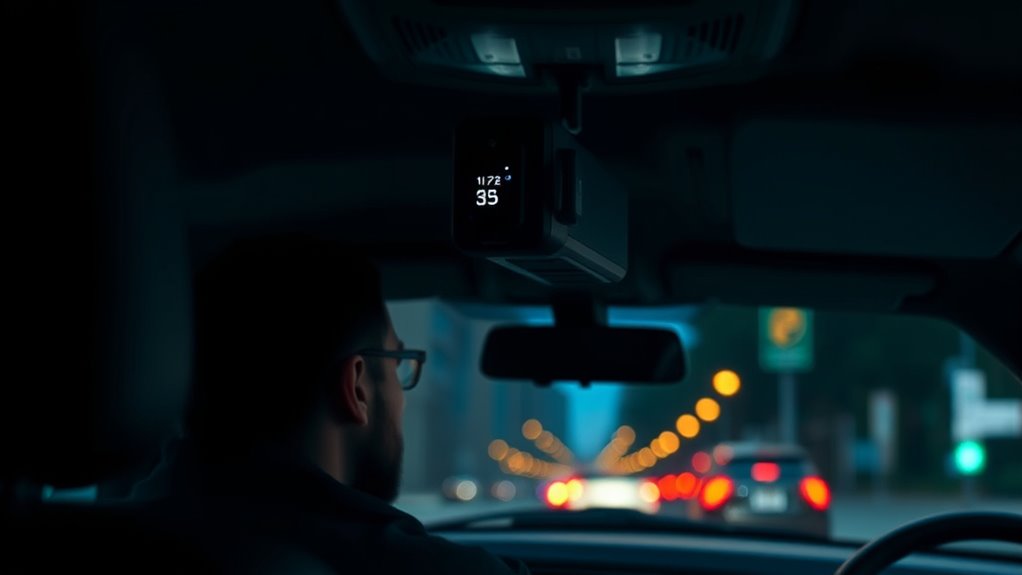
Protecting passenger and driver privacy is essential when managing rideshare footage, and implementing strong data security measures helps prevent unauthorized access. You should regularly update security protocols, encrypt stored footage, and restrict access to authorized personnel. This safeguards sensitive information and maintains trust. Incorporate driver training to emphasize privacy best practices, ensuring everyone understands data handling policies. Also, consider vehicle maintenance routines that support secure camera systems. Here’s a quick overview:
| Aspect | Best Practice |
|---|---|
| Data Security | Use encryption and access controls |
| Driver Training | Educate on privacy policies and secure handling |
| Vehicle Maintenance | Ensure cameras are functioning properly |
Adjusting Your Policy Over Time

As your rideshare operations evolve, it’s important to regularly review and update your footage policy to address new challenges and technological advancements. You should consider how driver training programs incorporate footage review, ensuring drivers understand privacy and safety expectations. Customer feedback can reveal patterns that warrant policy changes—like retaining footage longer for safety investigations or shortening retention to protect privacy. Regularly updating your policy helps you stay compliant and responsive to driver and rider concerns. To keep your policy effective, consider:
- Revising retention periods based on incident types
- Incorporating new security features
- Training drivers on updated footage protocols
- Responding to customer feedback about privacy and safety
This proactive approach maintains trust and adapts your policy as your operations grow.
Frequently Asked Questions
How Do Retention Policies Vary Across Different Cities or States?
Retention policies vary across cities and states, impacting how long you keep surveillance methods and footage. Some areas require shorter retention periods, while others allow for extended storage, often considering data encryption for security. You should stay informed about local regulations to ensure compliance, adjusting your data management practices accordingly. Always prioritize securing footage with data encryption to protect rider and driver privacy, regardless of regional differences.
What Equipment Options Influence Footage Retention Durations?
If you want your footage to stick around longer, choose dash cam options with larger storage solutions—think tanks for your footage! From SD cards to cloud storage, your options influence retention durations. Cutting corners with cheap gear means deleting videos faster than you delete your ex’s number. Invest in reliable dash cams with ample storage, and you’ll keep the footage you need, when you need it, without playing hide-and-seek with your data.
Are There Industry Standards for Footage Retention in Rideshare Services?
Industry standards for footage retention in rideshare services vary, but most recommend keeping videos for at least 30 to 90 days. You should guarantee your footage is protected through video encryption, preventing unauthorized access, and control data access carefully, limiting it to necessary personnel only. Regularly reviewing and securely deleting outdated footage helps maintain compliance with industry best practices and reduces privacy risks.
How Can Drivers Balance Privacy Concerns With Retention Policies?
To balance privacy considerations with retention policies, you should only keep footage as long as necessary for driver accountability and safety. Regularly review your footage and delete recordings that no longer serve a purpose, ensuring passenger privacy is respected. Use secure storage methods to protect sensitive data, and stay informed about local laws. This approach helps you maintain accountability without compromising privacy rights.
What Are the Penalties for Improper Footage Retention or Deletion?
Failing to properly handle footage can open a can of worms, leading to hefty fines or legal action. Penalties for improper footage retention or deletion threaten your data privacy and legal compliance, making your digital fortress vulnerable. You must stay vigilant and follow retention policies carefully. Otherwise, you risk jeopardizing customer trust and facing consequences that could sink your reputation faster than a stone in water.
Conclusion
Think of your footage like a garden—you tend to it regularly, knowing when to prune or let it grow. Keeping recordings too long can clutter your space and risk privacy, while deleting too soon might mean missing important details. By establishing clear policies, you prevent chaos and guarantee your footage is a trusted tool, not a liability. With the right balance, you’ll cultivate a safe, organized environment that serves you well—like tending a thriving, well-kept garden.
Fall Picks
fall essentials
As an affiliate, we earn on qualifying purchases.