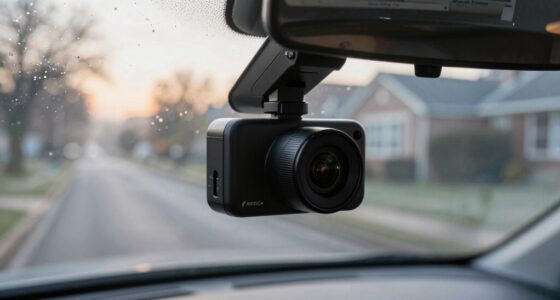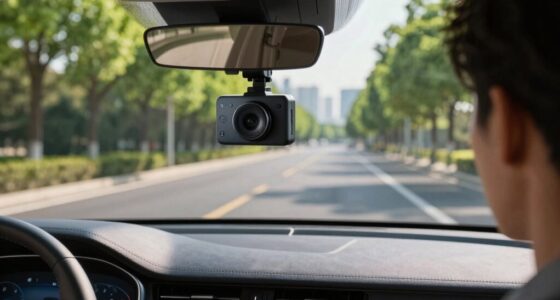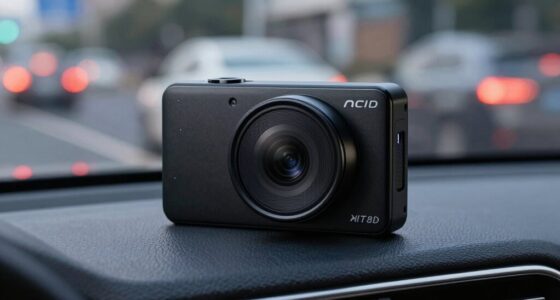
“Good enough” footage often fails when you need it most because small issues like shaky shots or inconsistent lighting become glaring errors under scrutiny. Quick or minimal effort captures tend to miss important details or produce distracting flaws, especially in critical moments. These issues can make your footage look unprofessional and unreliable, risking your project’s success. To avoid this, understanding proper techniques can make all the difference—keep going to discover how to improve your final results.

Get business pricing on garage and car supplies
- Business-only prices and quantity discounts
- Tax-exempt purchasing
- Multiple users, one account, clear invoices
Key Takeaways
- Quick or minimal effort footage often lacks stability and proper lighting, making it unusable in critical situations.
- Small issues like shaky shots and inconsistent lighting become highly noticeable under professional review.
- “Good enough” footage may seem acceptable initially but fails to meet quality standards when detailed editing or high-stakes use is required.
- Unstable camera movements and poor lighting undermine the professionalism and credibility of the final product.
- Relying on amateur footage increases the risk of unusable shots, jeopardizing the success of important projects.
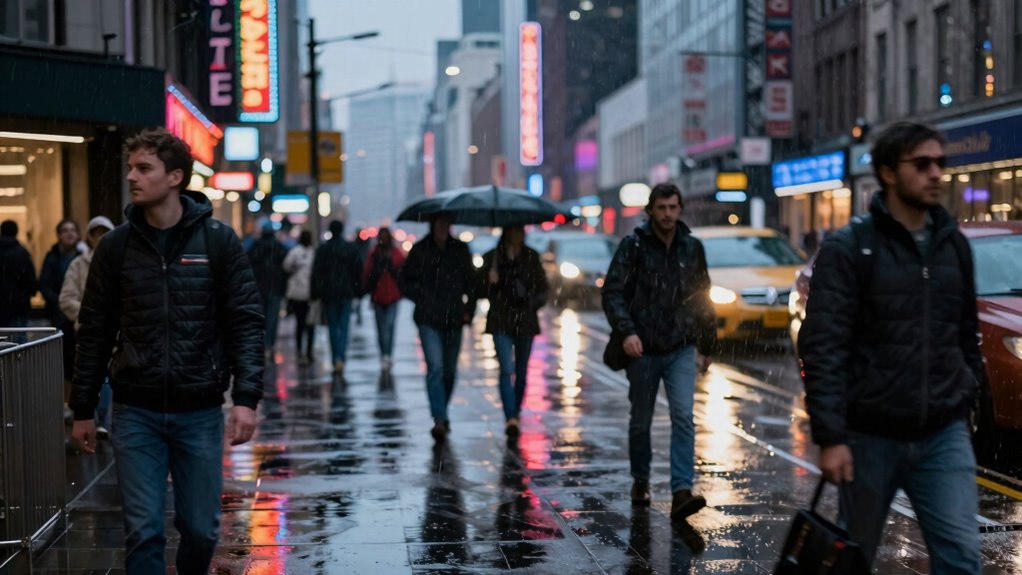
Have you ever relied on “good enough” footage only to find it falls short when you need it most? It’s a frustrating experience, especially when you’re counting on your footage to be the backbone of a project. Sometimes, you think that capturing something quickly or with minimal effort will do the trick, but in reality, that approach can backfire. The truth is, small issues like shaky camera stability or inconsistent lighting can quickly undermine even the most well-planned shots, making them unusable in critical moments.
Camera stability is one of the biggest factors that separates amateur footage from professional-quality content. If your footage wobbles or jitters, it distracts viewers and diminishes the overall quality. When you’re rushing, it’s tempting to hold the camera with one hand or use makeshift stabilization, but even slight movements can become glaring flaws when you review the footage later. When the stakes are high—such as in a client project or a live event—those shaky shots become obvious and unusable. Investing in a sturdy tripod or stabilizer isn’t just a luxury; it’s a necessity if you want smooth, dependable footage. Without it, even a well-composed shot can look amateurish and unprofessional. Paying attention to camera stabilization can make a significant difference in the final result. Additionally, understanding how visual quality impacts viewer engagement can motivate you to prioritize these technical aspects. Sometimes, quick fixes like post-production stabilization can help salvage shaky footage, but they’re no substitute for taking the time to get it right during filming. Proper planning and awareness of camera techniques are essential to avoid common pitfalls and produce high-quality footage from the start.
Lighting consistency is another critical element that often gets overlooked in “good enough” footage. When lighting shifts unexpectedly, it’s like trying to watch a movie with flickering screens—your audience’s focus drifts away from your message. Inconsistent lighting can result from natural changes, such as clouds passing overhead, or from poor artificial lighting setups. If your footage has sudden bright spots or shadows that obscure details, it’s not only distracting but can also ruin the mood or clarity of your content. To avoid this, you must plan your lighting carefully and control your environment as much as possible. Use diffusers, reflectors, or additional lighting sources to maintain a steady, well-lit scene. These investments help ensure your footage remains professional and reliable, especially when it’s time to edit or share your work. Additionally, understanding the importance of proper lighting can help you make smarter choices during filming. Remember, consistent lighting not only enhances the visual appeal but also ensures that your message is communicated effectively to your audience.
As an affiliate, we earn on qualifying purchases.
Frequently Asked Questions
How Do I Determine if Footage Is Truly “Good Enough”?
To determine if footage is truly “good enough,” check for camera stability—ensure there’s minimal shake or jitter—and assess lighting consistency throughout the shot. If the footage is shaky or lighting varies considerably, it won’t hold up under editing or professional use. Watch it carefully on a larger screen, and ask yourself if it looks smooth, clear, and evenly lit. If it does, you’ve likely got footage that’s good enough.
Can “Good Enough” Footage Be Improved in Post-Production?
Yes, “good enough” footage can often be improved in post-production. You can enhance your footage by applying better filming techniques like stabilizing shaky shots or adjusting exposure. Upgrading your equipment, such as investing in a better lens or microphone, also helps. However, remember that some issues are difficult to fix later, so focus on capturing solid footage initially while using post-production to refine and optimize your results.
What Are Common Mistakes When Relying on “Good Enough” Footage?
Relying on “good enough” footage often leads to mistakes like ignoring camera stability, which can make stock footage look unprofessional. You might assume minor imperfections won’t matter, but they distract viewers and reduce quality. Overlooking lighting or focus issues also hampers post-production. Always check camera stability and make certain your shots are steady. Investing extra time for better footage prevents costly fixes later and ensures your project looks polished.
How Does “Good Enough” Footage Impact the Storytelling Quality?
Relying on “good enough” footage can seriously hurt your storytelling by causing inconsistencies in lighting and audio clarity. When lighting isn’t uniform, scenes feel disjointed, breaking the viewer’s immersion. Poor audio quality makes it hard to follow the story or connect emotionally. These issues distract your audience, diminish professionalism, and weaken your message, ultimately making your story less engaging and memorable.
When Should I Prioritize Quality Over Convenience in Footage Selection?
You should prioritize quality over convenience when lighting consistency and audio clarity matter most, especially in emotional or professional scenes. When your story hinges on clear dialogue or visual continuity, sacrificing quality can undermine viewer engagement. You need crisp visuals, steady lighting, and pristine sound to convey authenticity and professionalism. In those moments, investing time or effort guarantees your footage enhances your narrative, rather than detracting from it.
As an affiliate, we earn on qualifying purchases.
Conclusion
You might think “good enough” footage will do the job, but the truth is, 92% of projects face delays or re-shoots because the footage doesn’t meet critical standards. When you rely on subpar clips, you risk compromising your final product’s quality and your reputation. It’s worth investing the time and effort upfront to capture the right footage now, rather than scrambling later to fix mistakes. Remember, in filmmaking, quality always beats quick fixes.
As an affiliate, we earn on qualifying purchases.
post-production video stabilization software
As an affiliate, we earn on qualifying purchases.
As an affiliate, we earn on qualifying purchases.
Fall Picks
fall essentials
As an affiliate, we earn on qualifying purchases.