
Bigger screens and more cameras don’t automatically improve your smartphone experience. Focus on screen quality and resolution instead of just size; a six-inch display can be pixelated if the resolution’s low. Similarly, more camera lenses don’t guarantee better photos. It’s the primary lens performance and software that count. So, understanding these factors helps you choose wisely. If you’re curious about what truly impacts your smartphone’s effectiveness, there’s more to discover.
Key Takeaways
- Larger screens may enhance visuals but prioritizing screen quality, such as resolution and color reproduction, is crucial for a satisfying experience.
- Multiple camera lenses offer versatility, yet superior image quality depends more on primary lens performance and software optimization.
- Basic camera setups can produce excellent results; usability of the camera app significantly impacts photo quality.
- Decision fatigue can occur when overwhelmed by options, highlighting the need for simplicity in features and usability.
- Focus on essential aspects, like screen quality and camera performance, to ensure smartphones enhance daily life rather than complicate it.
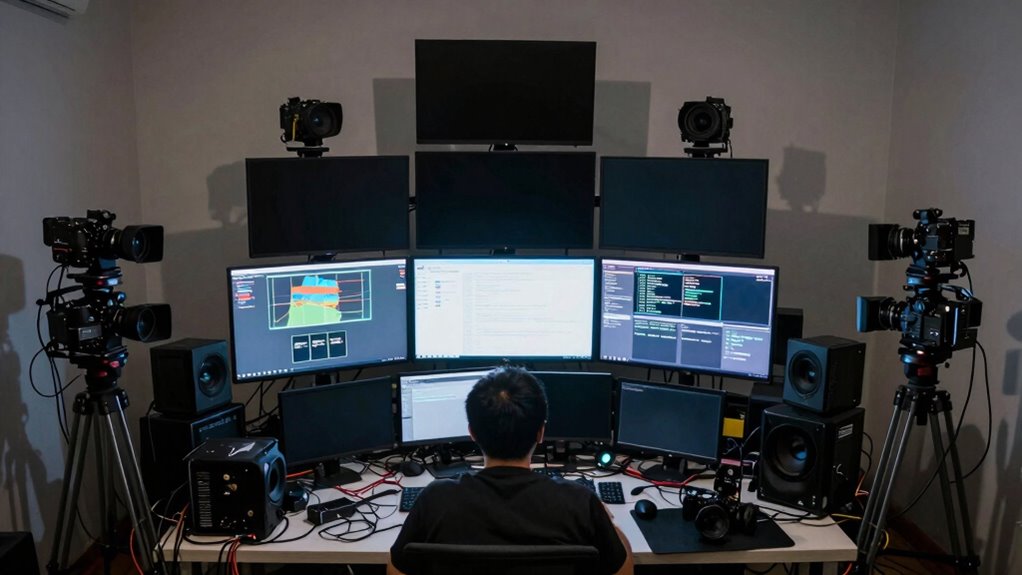
Smartphones are evolving rapidly, with many models now boasting screens that exceed six inches and multiple cameras that enhance your photography experience. While bigger screens and additional camera features might seem appealing, they don’t automatically translate to better outcomes. You might find yourself wondering if these advancements genuinely improve your daily life or just add to the clutter of choices.
When you pick up a smartphone with a larger screen, you might expect crisp visuals and vibrant colors. However, it’s essential to take into account screen quality over size. A six-inch display might seem impressive, but if the resolution isn’t up to par, the images can appear pixelated or dull. You’ll want to look for a phone that offers high pixel density and superior color reproduction. It’s not just about how big the screen is; it’s about how well it performs. You deserve a device that provides a satisfying viewing experience, whether you’re streaming videos or reading articles.
When choosing a smartphone, prioritize screen quality over size for a truly satisfying visual experience.
Camera features have also seen significant advancements. You may be tempted by the allure of multiple lenses, promising enhanced versatility and creativity in your photography. But more doesn’t always mean better. If the primary lens doesn’t deliver sharp images or if the software isn’t optimized, you might end up with mediocre photos despite having five cameras at your disposal. It’s vital to assess the actual performance of each camera and how well they work together. You’ll want to know that the smartphone can handle low-light conditions and that its image processing capabilities are exceptional.
Moreover, think about how often you truly utilize these advanced features. If you primarily snap pictures for social media, a basic camera setup might suffice. Overloading yourself with options can lead to decision fatigue, making it harder to enjoy the photography experience. Sometimes, a simple yet effective camera can produce stunning results without the bells and whistles. Additionally, the user experience of the camera app can significantly impact the quality of your photos, regardless of the hardware. Considering the hardware-software integration can help you understand how well the camera performs in real-world scenarios. It’s also worth noting that additional features often come with increased complexity, which can detract from usability if not well-designed. When evaluating these features, understanding the importance of performance testing can help you make a more informed decision. Furthermore, understanding technological advancements can help you recognize which features truly add value and which are just marketing hype.
Ultimately, as you navigate the world of smartphones, keep in mind that bigger screens and more cameras don’t guarantee better quality. Focus on what truly matters: screen quality, camera performance, and how well the device meets your specific needs. By prioritizing these aspects, you’ll make a more informed choice, ensuring that your smartphone enhances your life rather than complicates it.
high resolution smartphone screen protector
As an affiliate, we earn on qualifying purchases.
As an affiliate, we earn on qualifying purchases.
Frequently Asked Questions
How Do User Preferences Affect Screen Size and Camera Quality Choices?
User preferences play a vital role in choosing screen size and camera quality. If you prioritize design aesthetics, you might lean toward sleeker, smaller devices with high-quality cameras. Usability factors also come into play; for instance, a larger screen can enhance your experience for gaming or video, but it might be cumbersome for everyday tasks. Ultimately, your personal preferences shape the balance between functionality and visual appeal, guiding your decisions in technology.
What Features Are Essential for Improving User Experience Beyond Hardware Upgrades?
To skyrocket user experience, you need more than just flashy hardware. Think design aesthetics that make your heart sing and intuitive navigation that feels like a dream. If your app’s layout is a chaotic mess, even the fanciest screen won’t save it. Users crave seamless interactions and visual delights. Prioritize simplicity and elegance, and you’ll transform their experience from ordinary to extraordinary, making them come back for more every time!
Are Larger Screens More Prone to Damage or Wear Over Time?
Yes, larger screens can be more prone to damage or wear over time. Their size often affects screen durability, making them less impact resistant. When accidents happen, repair costs can skyrocket, especially if you’re dealing with a high-end device. Plus, consider user ergonomics; larger screens might be harder to handle and increase the risk of drops. It’s essential to invest in protective cases to enhance longevity and minimize potential damage.
How Does Software Optimization Impact Camera Performance?
Software optimization substantially impacts camera performance by enhancing image processing through advanced software algorithms. When you optimize your device’s software, it can better manage lighting, focus, and color accuracy, leading to clearer and more vibrant images. These algorithms help reduce noise and improve detail, making your photos look professional. So, whenever you update your software, remember that it’s not just about features; it’s about boosting your camera’s overall efficiency and quality.
What Role Do Brand Reputation and Marketing Play in Consumer Choices?
You know what they say: “A bird in the hand is worth two in the bush.” Brand reputation and marketing are essential in shaping consumer choices. When companies effectively manage their reputation, they build brand loyalty, making it easier for you to trust their products. Smart marketing strategies enhance consumer perception, highlighting the brand’s strengths. Ultimately, a solid reputation combined with effective marketing can greatly influence which products you choose to buy.
smartphone with best primary camera performance
As an affiliate, we earn on qualifying purchases.
As an affiliate, we earn on qualifying purchases.
Conclusion
In the end, just because you’ve got bigger screens and more cameras doesn’t guarantee better results. Take a hospital that invested in high-tech imaging devices but still saw misdiagnoses due to poor training. It’s not the equipment that counts; it’s how you use it. Focusing on skill development and effective communication can lead to much better outcomes than simply upgrading technology. Remember, it’s the people behind the screens that truly make the difference.
smartphone with high pixel density display
As an affiliate, we earn on qualifying purchases.
As an affiliate, we earn on qualifying purchases.
best camera phones for low light photography
As an affiliate, we earn on qualifying purchases.
As an affiliate, we earn on qualifying purchases.