Temperature swings cause more trouble than constant heat because they make materials repeatedly expand and contract, creating stresses that weaken internal structures over time. This cyclic movement leads to microscopic cracks, fatigue, and eventual damage. When different materials join, uneven expansion can cause joint failure. Over time, these effects cause faster wear and unpredictable failures. If you want to understand how to prevent this damage and protect your equipment, there’s more to discover here.

Get business pricing on garage and car supplies
- Business-only prices and quantity discounts
- Tax-exempt purchasing
- Multiple users, one account, clear invoices
Key Takeaways
- Temperature swings cause repeated expansion and contraction, leading to cumulative stress and material fatigue.
- Cyclic thermal movement creates microscopic cracks that grow over time, risking sudden failure.
- Unequal expansion of different materials at joints introduces internal stresses and potential damage.
- Fluctuating temperatures accelerate wear, degradation, and weakening of components more than steady heat.
- Managing temperature stability reduces cyclic stress, extending equipment lifespan and preventing unexpected failures.
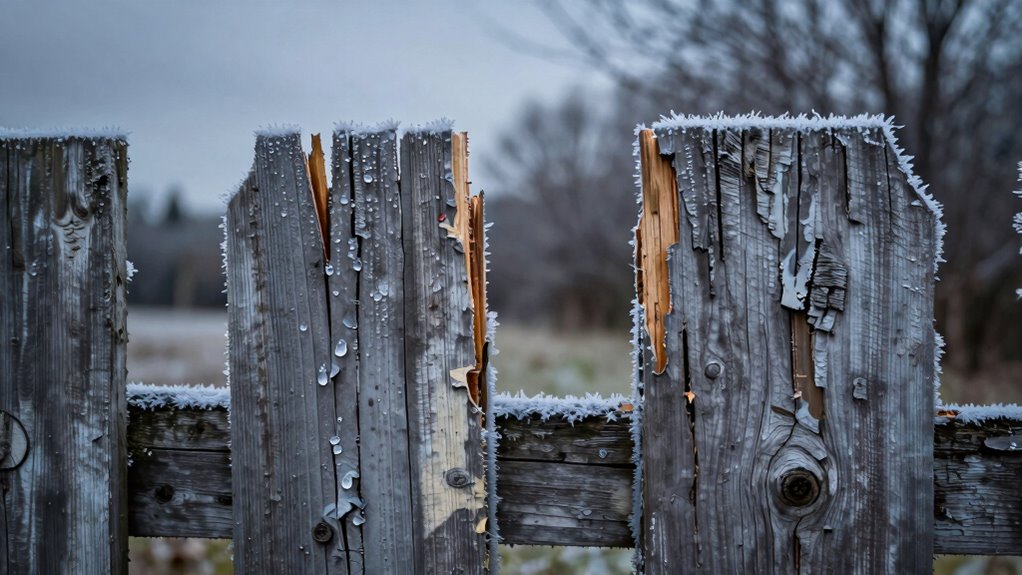
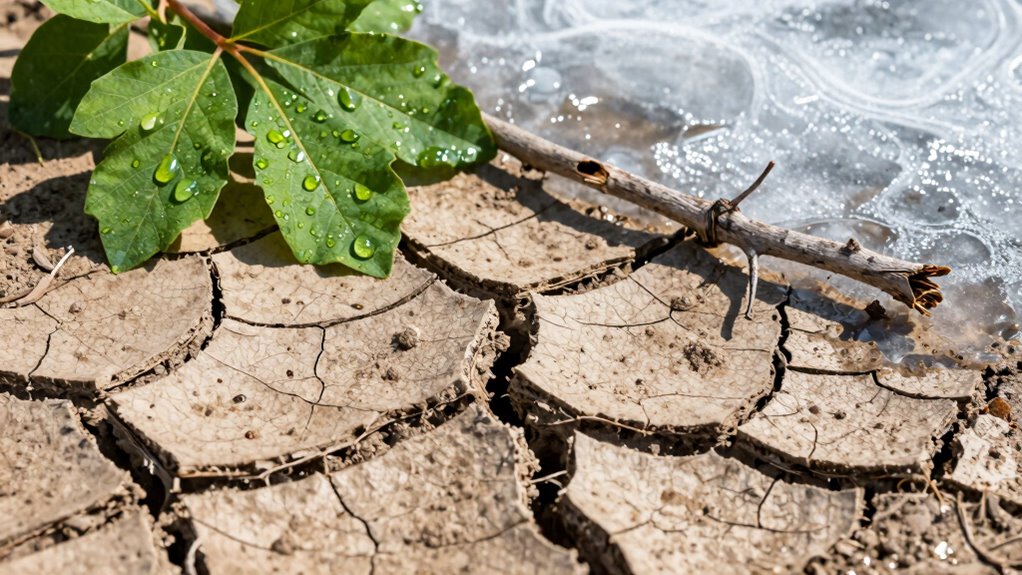
Temperature swings can cause more damage than steady heat because your environment or equipment constantly struggles to adapt. When temperatures fluctuate rapidly, materials expand and contract repeatedly, leading to what’s called thermal expansion. This cycle of expansion and contraction puts stress on the materials, which can weaken them over time. Unlike constant heat, where materials reach a stable state and remain relatively unchanged, temperature swings force materials to continually adjust, creating ongoing material stress that can eventually cause cracks, warping, or even failure.
You might not realize it, but every time a material warms up, it expands slightly. When it cools down, it contracts back. With steady heat, this process stabilizes, and the material reaches an equilibrium point where the expansion and contraction balance out. But with temperature swings, the repeated stretching and shrinking put strain on the material’s internal structure. Over time, this stress accumulates, making the material more brittle or prone to fatigue. Think of it like bending a paperclip back and forth until it snaps—that’s similar to what thermal cycling does to components.
This ongoing material stress can be especially damaging to joints or connections in machinery. When different materials are involved, the problem worsens because each material has its own coefficient of thermal expansion. For instance, metal parts expanding more than plastic parts can create additional stress at the interfaces, leading to separation or damage at those points. The unequal expansion causes internal stresses that can crack or weaken the entire structure. You might see this in electronics, pipelines, or building materials, where temperature swings cause cracks, leaks, or other failures that wouldn’t happen under steady conditions.
Furthermore, the repeated expansion and contraction can lead to fatigue failure, where microscopic cracks develop and grow with each cycle. Eventually, these cracks compromise the integrity of the material, leading to sudden failure. With constant heat, once the temperature stabilizes, the risk diminishes because the materials aren’t subjected to constant cyclic stress. But when temperatures swing, the ongoing stress accelerates wear and tear, making damage more likely and more severe over time. Recognizing thermal stress helps in understanding how different environments impact material longevity. Additionally, material properties such as toughness and ductility influence how well a material withstands these stresses.
Temperature fluctuations can also cause material degradation, which over time further weakens components and accelerates failure. In essence, temperature swings keep your equipment in a state of constant tension, forcing materials to repeatedly stretch and relax. This continuous cycle of thermal expansion and material stress wears down the strength and durability of your components far faster than steady heat ever could. The presence of environmental factors like moisture or chemicals can exacerbate this process, leading to even more rapid deterioration. Moreover, these fluctuating conditions can hinder proper lubrication, increasing friction and wear on moving parts. That’s why managing temperature fluctuations is essential if you want to extend the lifespan of your equipment and prevent unexpected failures.
thermal expansion stress relief products
As an affiliate, we earn on qualifying purchases.
As an affiliate, we earn on qualifying purchases.
Frequently Asked Questions
How Do Temperature Swings Affect Plant Growth Differently Than Steady Heat?
Temperature swings cause more trouble for your plants than steady heat because they lead to increased plant stress and growth variability. When temperatures fluctuate, your plants struggle to maintain stable internal conditions, disrupting processes like nutrient uptake and photosynthesis. This inconsistency hampers healthy growth, making plants more vulnerable to diseases and setbacks. Steady heat allows your plants to adapt more easily, promoting consistent growth and overall robustness.
Can Temperature Fluctuations Cause Long-Term Damage to Building Materials?
Yes, temperature fluctuations can cause long-term damage to building materials. When temperatures vary, materials expand and contract repeatedly, leading to stress that weakens their structure over time. This process can cause cracks, warping, and deterioration, reducing building resilience. You should regularly inspect and maintain your structures, especially in climates with significant temperature swings, to prevent damage caused by ongoing material expansion and contraction.
How Do Animals Adapt to Temperature Swings in Their Environment?
You know what they say, “Adapt or perish.” Animals handle temperature swings through clever adaptation strategies like animal hibernation, where they slow down metabolism to survive cold spells. Some migrate to warmer areas, while others develop thicker fur or special fat reserves. These adaptations help them endure fluctuating temperatures, ensuring survival when the environment’s unpredictable shifts challenge their ability to thrive.
Are There Specific Industries More Vulnerable to Temperature Fluctuations?
You should know that industries like agriculture, manufacturing, and food storage are especially vulnerable to temperature fluctuations. These sectors rely heavily on industry resilience and a stable supply chain, which temperature swings can disrupt markedly. Sudden changes in temperature can damage products, delay production, and increase costs. To mitigate risks, you need robust contingency plans, climate-controlled storage, and flexible logistics to maintain stability in the face of unpredictable weather patterns.
What Are the Best Methods to Mitigate Damage From Temperature Swings?
To mitigate damage from temperature swings, you should focus on proper insulation techniques and effective climate control. Insulation helps maintain a stable internal environment by reducing heat transfer, while climate control systems, like HVAC units, adjust temperature fluctuations quickly. Regular maintenance ensures these systems operate efficiently. Combining insulation with advanced climate control creates a resilient environment, safeguarding sensitive materials or equipment from the stresses caused by temperature swings.
temperature fluctuation resistant piping
As an affiliate, we earn on qualifying purchases.
As an affiliate, we earn on qualifying purchases.
Conclusion
So, next time you think steady heat is the enemy, remember that sudden temperature swings might just be the real troublemakers. While constant heat quietly wears down your belongings, those unpredictable swings cause chaos, like a storm in a teacup. Ironically, the very fluctuations we try to avoid are often what silently destroy, turning calm into catastrophe. Sometimes, stability isn’t just comfortable — it’s your best defense against the unpredictable fury of temperature swings.
thermal cycling fatigue testing equipment
As an affiliate, we earn on qualifying purchases.
As an affiliate, we earn on qualifying purchases.
temperature stable electronic enclosures
As an affiliate, we earn on qualifying purchases.
As an affiliate, we earn on qualifying purchases.
Halloween Picks
halloween
As an affiliate, we earn on qualifying purchases.