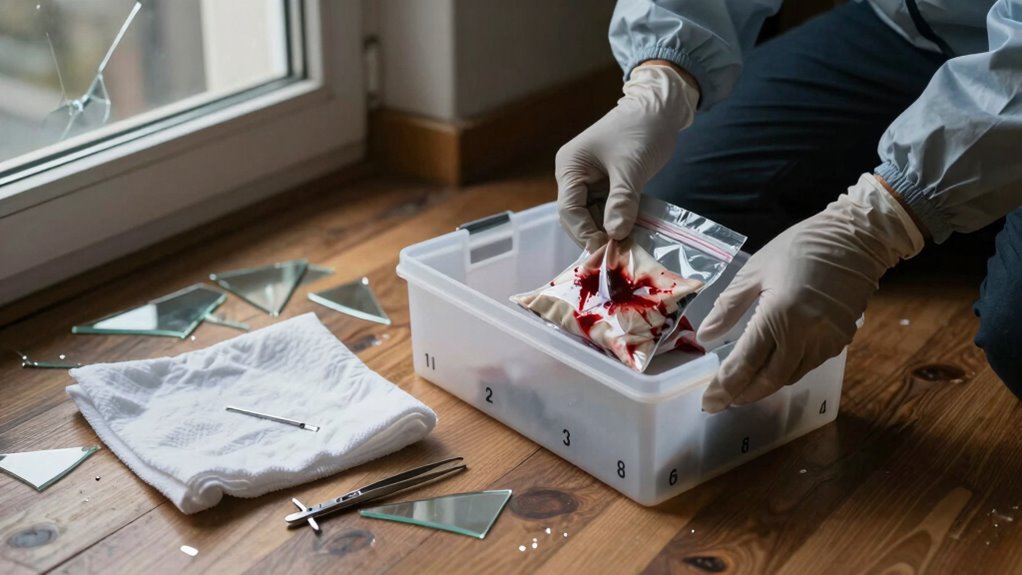
After a break-in, avoid touching or moving anything at the scene to prevent destroying evidence. Contact law enforcement immediately and work with them to secure and preserve all evidence, including security footage. Take photos of damage and list stolen items. Inform neighbors and encourage vigilance while avoiding any tampering with potential clues like fingerprints or footprints. Proper evidence protection is vital for a successful investigation—continue to discover more essential steps and tips to safeguard your scene effectively.

Get business pricing on garage and car supplies
- Business-only prices and quantity discounts
- Tax-exempt purchasing
- Multiple users, one account, clear invoices
Key Takeaways
- Do not touch or move any items or evidence at the scene to prevent contamination.
- Ensure law enforcement secures and documents the scene before any disturbance.
- Photograph damage, scene conditions, and evidence without altering the environment.
- Preserve security footage by confirming cameras are functional and recordings are intact.
- Record details of stolen items and scene condition for police reports and insurance claims.
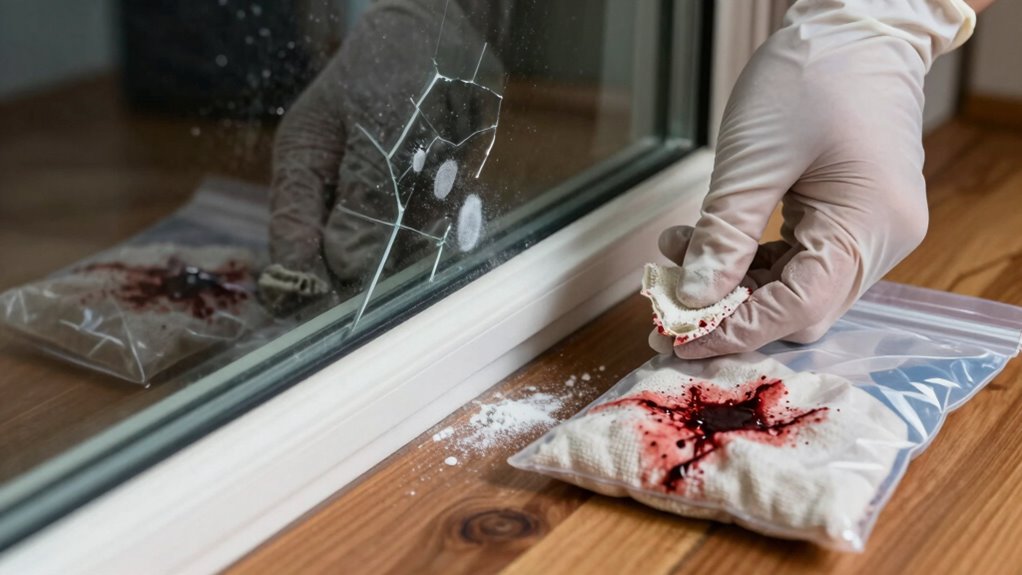
Have you ever wondered what steps to take immediately after a break-in to preserve essential evidence? The first thing you should do is avoid touching or moving anything at the scene. Disturbing the area can compromise valuable forensic evidence, making it harder for authorities to identify the intruder or determine how the break-in occurred. Instead, take a mental note of anything that appears disturbed or out of place, but leave the scene untouched until law enforcement arrives.
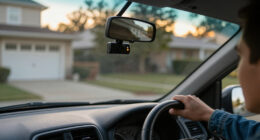
Once authorities are on the scene, it’s important to discuss with them the significance of preserving evidence. If you haven’t already installed security cameras, consider doing so now. Security camera installation can play an important role in capturing footage that might identify the intruder, especially if the cameras are positioned to cover entry points and vulnerable areas. High-quality footage can serve as key evidence in investigations and can help authorities trace the perpetrator’s movements. If you already have security cameras, verify they are functioning properly and that the recordings are preserved securely. Avoid deleting or tampering with footage, as this could jeopardize your case. Remember, proper evidence preservation techniques can make a significant difference in the outcome of an investigation.
In addition to physical evidence, don’t overlook community-based measures like neighborhood watch programs. These programs foster communication among residents and can serve as an essential deterrent against future break-ins. Inform your neighbors about the incident, and encourage them to be vigilant. A strong community watch can lead to quicker reporting of suspicious activity, increasing the chances of catching the intruder and preventing further crimes. Sharing information about the break-in with neighbors and local law enforcement can also help in gathering additional evidence, such as eyewitness accounts or surveillance footage from nearby homes or businesses. Establishing a coordinated response with your community can further strengthen your efforts to protect your property.
Furthermore, document everything related to the break-in. Take photos of any damage, note the time and date you discovered the scene, and make a list of stolen items. This documentation will be useful when filing police reports and insurance claims. Remember, every detail counts. The more organized and precise your records, the easier it will be for investigators to piece together what happened. Additionally, preserving physical evidence like fingerprints or footprints can significantly aid in the investigation. Properly cataloging these details can make a crucial difference in solving the case. To enhance your efforts, consider consulting with experts about the best methods for evidence preservation, which can increase the likelihood of identifying the intruder.
Frequently Asked Questions
Should I Touch or Clean the Evidence at the Scene?
You should avoid touching or cleaning the evidence at the scene. Contamination prevention is vital to maintaining its integrity, so you must handle it with care and follow proper handling procedures. Use gloves and avoid unnecessary contact to prevent altering or damaging the evidence. If possible, secure the scene and wait for law enforcement to arrive, ensuring that the evidence remains uncontaminated and suitable for investigation.
How Long Should I Wait Before Calling the Police?
Think of calling the police as planting a flag—you shouldn’t wait long. You should call immediately after securing your safety. Prompt action respects your victim rights and guarantees evidence remains intact for investigation. Delaying can jeopardize legal considerations and weaken your case. By reporting swiftly, you help authorities gather vital evidence, making it easier to pursue justice and protect your rights effectively.
Can I Move or Rearrange Items Before Authorities Arrive?
You should avoid moving or rearranging items before authorities arrive because it can compromise evidence preservation and scene security. Keeping everything as it is helps law enforcement accurately assess the scene and collect evidence without contamination. If you must move something for safety reasons, inform the police when they arrive. Otherwise, maintaining the scene’s original state ensures investigators have the best chance to gather vital evidence.
What Should I Do if I Accidentally Disturb Evidence?
If you accidentally disturb evidence, don’t try to fix it yourself. Instead, notify authorities immediately so they can document the disturbance and preserve the integrity of the evidence for forensic analysis. Avoid touching or moving anything further. Keep a detailed record of what happened. Maintaining the chain of custody is essential, so let professionals handle the evidence to guarantee it remains valid for investigation and court proceedings.
How Do I Document the Scene Before Police Arrive?
You should start by carefully documenting the scene through forensic photography, capturing wide shots and close-ups of evidence without moving anything. Note details like the condition of objects and their location, and record everything in a detailed log. Use a camera with date and time stamps if possible. This approach guarantees proper evidence preservation and provides a solid record for investigators, helping establish an accurate timeline and scene integrity before police arrive.
Conclusion
After a break-in, every second counts. You’ve done your part to secure the scene, but what you do next could make or break the case. Will you leave essential evidence behind or preserve it for investigators? Stay vigilant, avoid tampering, and don’t rush. The tiniest detail might hold the key to catching the culprit. Are you prepared to act wisely and protect those critical clues before they vanish forever? The choice is yours—what happens next could change everything.
Fall Picks
fall essentials
As an affiliate, we earn on qualifying purchases.