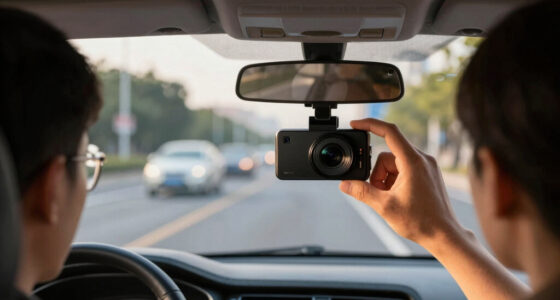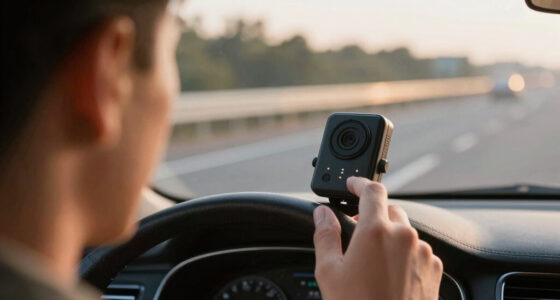
A dash camera with parking mode keeps recording after you walk away, capturing hit-and-runs, door dings, and vandalism that happen while your car sits unattended. After comparing 15 current models, the REDTIGER F17 3-Channel stands out as the best overall pick for its STARVIS 2 sensor, HDR, and reliable motion-triggered parking surveillance. Budget-focused buyers get strong value from the WANLIPO A13, while drivers wanting full 360° coverage around a parked car should look at the PRUVEEO 360° and IIWEY N5. The core tradeoff in this category is simple: more camera channels mean better parked-car coverage but higher power draw, more complex wiring, and often lower resolution per channel. Read on for the full breakdown of which model fits your car, budget, and parking situation.

Get business pricing on garage and car supplies
- Business-only prices and quantity discounts
- Tax-exempt purchasing
- Multiple users, one account, clear invoices
Complete the kit


Key Takeaways
- The REDTIGER F17 and F7NP led the field on parked-car footage quality because their STARVIS 2 sensors capture usable plates and faces in dim parking garages — most budget models here rely on basic night modes that wash out detail.
- Multi-channel 360° models (PRUVEEO, IIWEY N5, ICESKY S03) cover more angles around a parked car, but their side and rear cameras record at 1080p, so detail at distance is noticeably weaker than the dual 4K picks.
- Bundled high-capacity cards (128GB on the Dual 4K, Terunsoul, and PRUVEEO) matter more than they seem: parking surveillance in loop mode eats storage fast, and 32GB cards like the Galphi‘s fill within hours of buffered recording.
- Models with GPS and 5GHz Wi-Fi (WANLIPO A13, ICESKY S03, REDTIGER F17) make parking incidents far easier to act on — timestamps, location data, and fast clip downloads to your phone turn footage into evidence.
- True low-voltage parking protection requires a hardwire kit, and several entry-level models in this lineup either omit one or sell it separately — buyers who park on the street should factor that cost in before choosing.
| Dual 4K Front and Rear Dash Cam with 128GB Card and Starlight Night Vision |  | Best Overall | Front video resolution: 3840 × 2160 (4K) | Rear video resolution: 3840 × 2160 (4K) | Field of view: 170° front / 150°–160° rear | VIEW LATEST PRICE | See Our Full Breakdown |
| 4-Channel 360° Dash Cam with 4K Front and Three 1080p Cameras |  | Best for Full Vehicle Coverage | Channels: 4 (front, rear, left, right) | Front camera resolution: 4K (2160p) | Other cameras: 1080p, adjustable | VIEW LATEST PRICE | See Our Full Breakdown |
| 4-Channel 360° Dash Cam with 4K Front Camera, 1080P Side and Rear Cameras, and 64GB Card |  | Best for Night Parking | Channels: 4 (front, rear, left, right) | Front camera resolution: 4K | Rear and side cameras: 1080P, adjustable | VIEW LATEST PRICE | See Our Full Breakdown |
| Galphi 4K Front Dash Cam with 5GHz Wi-Fi and 32GB Memory Card |  | Best Compact Pick | Resolution: 4K UHD (2160P) | Field of view: 160 degrees | Wi-Fi: 5GHz | VIEW LATEST PRICE | See Our Full Breakdown |
| Four-Channel 1080p Dash Cam with 128GB Card, 5GHz Wi-Fi and Night Vision |  | Best Value for 360° Coverage | Camera channels: 4 (front, rear, left, right) | Resolution: Full HD 1080p | Wi-Fi: 5GHz | VIEW LATEST PRICE | See Our Full Breakdown |
| ICESKY S03 4K 4-Channel Dash Cam with GPS and Wi-Fi 6 |  | Best for Side Coverage | Camera coverage: 4-channel: front, rear, cabin, and sides | Video resolution: 4K front; 1080p rear, cabin, and side cameras | Display: Conflicting product details: 3 inches in description, 0.3 inches in specifications | VIEW LATEST PRICE | See Our Full Breakdown |
| REDTIGER F17 4K 3-Channel Dash Cam with STARVIS 2 Sensor, HDR, 64GB Card, and 5.8GHz Wi-Fi |  | Best for Low-Light Three-Way Monitoring | Camera coverage: 3-channel: front, cabin, and rear | Front sensor: STARVIS 2 IMX675 | Maximum recording resolution: 4K front and 1080p rear with cabin camera off | VIEW LATEST PRICE | See Our Full Breakdown |
| PRUVEEO 360° 4-Channel Dash Cam with GPS, Wi-Fi, Night Vision, and 128GB Card |  | Best for All-Around 1080p Coverage | Camera channels: 4 | Video resolution: 1080p | Field of view: 360 degrees | VIEW LATEST PRICE | See Our Full Breakdown |
| IIWEY N5 4-Channel 360° Dash Cam with 2.5K Front and 1080P Rear, Side, and Interior Recording |  | Best for Drivers Who Want a Physical Screen | Channels: 4 | Recording resolution: 2.5K front and 1080p on the other three channels; FHD 1080p on all four | Screen: 3-inch IPS | VIEW LATEST PRICE | See Our Full Breakdown |
| WANLIPO A13 Dual Dash Cam, 4K Front and 2.5K Rear, 5GHz Wi-Fi, GPS, 64GB Card |  | Best for High-Resolution Front and Rear Recording | Camera coverage: Dual: front and rear | Front resolution: 4K (3840 × 2160) | Rear resolution: 2.5K | VIEW LATEST PRICE | See Our Full Breakdown |
| REDTIGER F7N TOUCH 4K Front and 1080P Rear Dash Cam |  | Best Touchscreen Control | Front resolution: 4K UHD | Rear resolution: 1080P Full HD | Viewing angles: 170° front, 140° rear | VIEW LATEST PRICE | See Our Full Breakdown |
| C5 Front and Rear Dash Cam, 4K + 1080p, 5 GHz Wi-Fi, App Control, 64 GB Card |  | Best Compact Pick | Video resolution: Front 4K, rear 1080p | Aperture: f/1.8 | Display: 0.96 inches (status only) | VIEW LATEST PRICE | See Our Full Breakdown |
| REDTIGER F7NP 4K Front and Rear Dash Cam with STARVIS 2 Sensor |  | Best for Hot Climates | Video resolution: 4K front, 1080p rear | Sensor: STARVIS 2 CMOS | Field of view: 170° front, 140° rear | VIEW LATEST PRICE | See Our Full Breakdown |
| ROVE R2-4K Dual Dash Cam with Front and Rear Cameras |  | Most Flexible Parking Modes | Front resolution: Upscaled 4K (2160p) from 2.5K QHD | Rear resolution: 1080p Full HD | Sensor: Sony STARVIS 2 IMX675, 5MP | VIEW LATEST PRICE | See Our Full Breakdown |
| Terunsoul 3-Channel 4K Dash Cam with 128GB Card |  | Best for Rideshare and Cabin Coverage | Front resolution: 4K UHD | Rear resolution: 4K | Cabin resolution: 1080P with infrared lighting | VIEW LATEST PRICE | See Our Full Breakdown |
| dash cameras with parking mode | Included storage | Field of view |
|---|---|---|
| Dual 4K Front and Rear Dash Ca | 128 GB microSD (supports up to 512 GB–1 TB) | 170° front / 150°–160° rear |
| 4-Channel 360° Dash Cam with 4 | 64GB (max 256GB) | 360 degrees |
| 4-Channel 360° Dash Cam with 4 | 64GB | — |
| Galphi 4K Front Dash Cam with | 32GB (supports up to 256GB) | 160 degrees |
| Four-Channel 1080p Dash Cam wi | 128GB | — |
| ICESKY S03 4K 4-Channel Dash C | 128GB microSD card | — |
| REDTIGER F17 4K 3-Channel Dash | 64GB card | 150° front, 160° cabin, 155° rear |
| PRUVEEO 360° 4-Channel Dash Ca | 128GB microSD card | 360 degrees |
| IIWEY N5 4-Channel 360° Dash C | 128GB microSD card | — |
| WANLIPO A13 Dual Dash Cam | 64GB microSD card | 170° front and 120° rear |
| REDTIGER F7N TOUCH 4K Front an | — | — |
| C5 Front and Rear Dash Cam | — | — |
| REDTIGER F7NP 4K Front and Rea | — | 170° front, 140° rear |
| ROVE R2-4K Dual Dash Cam with | — | 150° front, 140° rear |
| Terunsoul 3-Channel 4K Dash Ca | — | — |
More Details on Our Top Picks
Dual 4K Front and Rear Dash Cam with 128GB Card and Starlight Night Vision
For most buyers, this is where I’d start the search. Recording 4K from both cameras — not just the front — is rare at any price, and it matters for parking incidents where the impact comes from behind. The starlight sensor and f/1.5 aperture translate into usable footage in dim garages and at night, which is exactly when parking mode earns its keep. Compared with the Galphi 4K, which only covers the front, this model gives you full front-and-rear protection, GPS, and a roomy 128GB card in the box. The catch: parking mode’s event-locking only works with a separately purchased hard-wiring kit, so budget for installation. The listed rear field of view and max storage also conflict between the specs and description, so verify details before buying larger cards.
Pros:- True dual 4K recording captures detail front and rear
- Starlight sensor and f/1.5 aperture deliver strong low-light footage
- GPS, dual-band Wi-Fi, app control, and a 128GB card are all included
- Parking mode locks collision-event footage automatically
Cons:- Parking mode requires a separately purchased hard-wiring kit
- Rear field of view and maximum storage specs conflict with the description
Best for: Drivers who want high-resolution coverage of both ends of the car and reliable nighttime event recording while parked
Not ideal for: Buyers expecting a complete parking-mode package out of the box — the hard-wiring kit costs extra and needs professional installation
- Front video resolution:3840 × 2160 (4K)
- Rear video resolution:3840 × 2160 (4K)
- Field of view:170° front / 150°–160° rear
- Screen:3 inches
- Connectivity:Dual-band Wi-Fi (5 GHz and 2.4 GHz), USB
- GPS:Built-in route tracking and speed display
- Included storage:128 GB microSD (supports up to 512 GB–1 TB)
- Aperture:f/1.5
- Warranty:18 months
Our verdict“The strongest all-around pick if you want 4K detail on both ends of the car and are willing to pay extra for the hard-wiring kit that unlocks parking mode.”
4-Channel 360° Dash Cam with 4K Front and Three 1080p Cameras
When the worry isn’t just the front or back but door dings and side swipes in parking lots, a two-camera setup isn’t enough. This model records front, rear, left, and right simultaneously, with a 4K front camera and three adjustable 1080p lenses covering the rest. Compared with the Dual 4K model, you trade rear resolution for coverage breadth — a sensible swap if your priority is catching whoever scraped your door, since 1080p is plenty for a car pulling out of an adjacent space. The G-sensor locks footage when it detects impact or movement, and GPS plus the Viidure app make pulling clips off the device straightforward. Just like most of the roundup, parking mode needs a separately purchased hardwire kit, and the included 64GB card fills faster with four streams running.
Pros:- Four cameras record a full 360° view simultaneously
- 4K front camera keeps the most important angle sharp
- G-sensor automatically locks collision and sudden-movement footage
- GPS and 5GHz Wi-Fi app support simplify clip management
Cons:- Parking mode requires a separately purchased hardwire kit
- Only 64GB included, which fills quickly with four simultaneous streams
Best for: City parkers and street parkers who need to see what happens on the sides of the vehicle, not just front and rear
Not ideal for: Drivers who mainly want maximum detail for rear-end collisions — the rear camera here is 1080p, well below the Dual 4K model’s output
- Channels:4 (front, rear, left, right)
- Front camera resolution:4K (2160p)
- Other cameras:1080p, adjustable
- Field of view:360 degrees
- Connectivity:5GHz Wi-Fi, GPS
- Included storage:64GB (max 256GB)
- Aperture:F1.6
- Screen:3 inches
- Warranty:18 months
Our verdict“The pick for anyone whose parking worries include side impacts, as long as they accept 1080p detail outside the front camera.”
4-Channel 360° Dash Cam with 4K Front Camera, 1080P Side and Rear Cameras, and 64GB Card
This model shares the same basic recipe as the 4-Channel 360° camera above — 4K front, three adjustable 1080p lenses, 64GB card, app control — but it leans harder into darkness. Eight infrared LEDs mean the side and rear cameras can keep recording detail that ordinary sensors lose entirely, which is the difference between a vague shape and a license plate in a dim underground garage. Pair that with WDR image processing to handle headlight glare at entrances, and this option makes the most sense for anyone parked overnight in poorly lit structures. Compared with the Galphi 4K’s single front camera, the coverage advantage is obvious, though like its sibling it only ships with 64GB and needs a separately sold hardwire kit for parking monitoring. The Vidure app experience also feels more basic than competing apps.
Pros:- 8 infrared LEDs extend night vision to side and rear cameras
- Four-channel recording covers all sides of the vehicle
- G-sensor locks footage on collision or vibration
- GPS positioning and app access for reviewing clips
Cons:- Parking monitoring requires a separately purchased hardwire kit
- 64GB card fills quickly with four simultaneous channels
Best for: Drivers who park overnight in dim garages or unlit streets and need IR-assisted recording to capture usable side footage
Not ideal for: Buyers who want everything in one box — parking monitoring still requires a separate hardwire kit, and 64GB is tight for four channels
- Channels:4 (front, rear, left, right)
- Front camera resolution:4K
- Rear and side cameras:1080P, adjustable
- Display:3-inch IPS screen
- Night vision:8 infrared LEDs
- Connectivity:Dual-band 5GHz Wi-Fi
- Included storage:64GB
- GPS:Supported
- Image processing:WDR
Our verdict“The strongest choice among the four-channel picks when low-light parking situations are your main concern.”
Galphi 4K Front Dash Cam with 5GHz Wi-Fi and 32GB Memory Card
Not everyone needs four cameras or a big screen hanging off the windshield. The Galphi takes the opposite approach: no display at all, a compact body that tucks behind the mirror, and 4K UHD through a 160-degree lens you review entirely through the app over 5GHz Wi-Fi. Its 24-hour time-lapse parking mode is genuinely useful for overnight monitoring without draining the battery — once you buy the Type-C hardwire kit it requires. Compared with the Dual 4K model, you give up the rear camera entirely and the included card shrinks to 32GB, which fills fast at 4K, so plan on an upgrade. This model is better suited to minimalists and rideshare drivers who want front coverage without clutter, while anyone worried about rear impacts should step up to a dual-channel option.
Pros:- Compact, screen-free body hides easily behind the mirror
- 4K UHD recording through a wide 160° lens
- 24-hour time-lapse parking mode is battery-friendly
- 5GHz Wi-Fi makes app transfers fast
Cons:- Type-C hardwire kit for parking mode is not included
- 32GB included card is small for 4K footage and will need upgrading
Best for: Minimalists and windshield-real-estate-conscious drivers who only need sharp front coverage and a discreet, screen-free design
Not ideal for: Anyone who needs rear or side footage, or who expects a display for checking clips without opening the app
- Resolution:4K UHD (2160P)
- Field of view:160 degrees
- Wi-Fi:5GHz
- Aperture:F/1.6
- Display:Screen-free (app-based)
- Included storage:32GB (supports up to 256GB)
- Parking mode:24-hour time-lapse; requires Type-C hardwire kit
Our verdict“A clean, low-profile front-camera option for drivers who value discretion over multi-angle coverage — just factor in a hardwire kit and a bigger card.”
Four-Channel 1080p Dash Cam with 128GB Card, 5GHz Wi-Fi and Night Vision
Of the four-channel options in this lineup, this one makes the storage math work. Where the other 360° models ship with a cramped 64GB card, this includes 128GB out of the box — meaningful when four cameras are writing simultaneously. Resolution is 1080p across all four lenses rather than a 4K front like the 4-Channel 360° model, but for identifying a car, a person, or a plate at parking-lot distances, Full HD on every angle is a defensible trade. Time-lapse recording stretches storage even further while parked, and eight infrared lights plus WDR keep footage usable after dark. The two extras to account for: the hardwire kit for parking mode and the separately sold GPS logger — skip the logger and you lose route and speed data the other picks include for free.
Pros:- 128GB card included — double the storage of comparable four-channel models
- Time-lapse parking mode conserves storage and battery
- Infrared night vision and WDR across all four cameras
- Loop recording with automatic incident footage locking
Cons:- Parking mode requires a separately sold hardwire kit
- GPS tracking requires a separately sold GPS logger
- All four cameras are capped at 1080p with no 4K front channel
Best for: Budget-conscious buyers who want complete four-angle coverage with generous included storage and time-lapse parking
Not ideal for: Detail obsessives who want 4K front footage, and anyone who expects built-in GPS without buying an extra logger
- Camera channels:4 (front, rear, left, right)
- Resolution:Full HD 1080p
- Wi-Fi:5GHz
- Included storage:128GB
- Night vision:8 infrared lights
- Parking mode:Requires optional ACC hardwire kit
- GPS:Requires separately sold GPS logger
- Recording features:Loop recording, incident lock, time-lapse
- Support period:24 months
Our verdict“The smart storage-first choice for full 360° coverage on a budget, provided you can live without 4K detail and built-in GPS.”
ICESKY S03 4K 4-Channel Dash Cam with GPS and Wi-Fi 6
The ICESKY S03 suits drivers who want parking footage from more than the usual front and rear angles: its four cameras cover the front, rear, cabin, and sides. That broad view can help capture activity beside a parked car, while impact detection locks important clips. Compared with the WANLIPO A13, it gives up a simpler two-camera setup in favor of wider vehicle coverage, but its 4K resolution applies only to the front; the other views record at 1080p. The 128GB card and built-in GPS are included, though parking mode needs a separately purchased hardwire kit. Product details also conflict on whether the display is 3 inches or 0.3 inches, so I would verify that before buying.
Pros:- Four cameras cover the front, rear, cabin, and both sides.
- Front camera records in 4K while the other views record in 1080p.
- Includes built-in GPS and a 128GB microSD card.
- Wi-Fi 6 app supports video preview, playback, and downloads up to 20MB/s.
Cons:- Parking mode requires a separately sold hardwire kit.
- Only the front camera records in 4K.
- Product information conflicts on the display size.
Best for: Drivers who park in busy areas and want front, rear, cabin, and side footage with GPS and included storage.
Not ideal for: Buyers who want parking mode ready out of the box, or who need confirmed display dimensions before choosing.
- Camera coverage:4-channel: front, rear, cabin, and sides
- Video resolution:4K front; 1080p rear, cabin, and side cameras
- Display:Conflicting product details: 3 inches in description, 0.3 inches in specifications
- Wi-Fi:5.8GHz Wi-Fi 6; downloads up to 20MB/s
- GPS:Built-in
- Included storage:128GB microSD card
- Maximum storage:512GB microSD
- Parking mode:24-hour mode; separately sold hardwire kit required
Our verdict“Choose the ICESKY S03 if side and cabin coverage matter more than 4K recording across every camera.”
REDTIGER F17 4K 3-Channel Dash Cam with STARVIS 2 Sensor, HDR, 64GB Card, and 5.8GHz Wi-Fi
For drivers who want front, cabin, and rear coverage while parked, the REDTIGER F17 pairs collision detection and time-lapse parking modes with a STARVIS 2 sensor, HDR, and WDR. Those imaging features are aimed at keeping details more usable across difficult lighting, while the three-camera layout includes the cabin view that the WANLIPO A13 lacks. There is a resolution tradeoff: 4K front recording is available only when the cabin camera is off, so drivers choosing all three views must accept a lower front resolution. Parking monitoring also depends on an optional hardwire kit, and the included 64GB card is smaller than the 128GB cards supplied with the ICESKY S03 and PRUVEEO 360°. I’d pick it for imaging flexibility, not the largest storage bundle.
Pros:- Three-camera layout covers the front, rear, and cabin.
- STARVIS 2 sensor, HDR, and WDR support low-light recording.
- Built-in GPS and dual-band Wi-Fi are included.
- Offers time-lapse and collision-detection parking modes when hardwired.
Cons:- Parking monitoring requires an optional hardwire kit.
- The cabin camera must be off to record 4K front video.
- The included 64GB card holds less footage than the 128GB cards bundled with some four-channel alternatives.
Best for: Drivers who want front, rear, and cabin monitoring with low-light imaging features and can accept reduced front resolution when all cameras are active.
Not ideal for: Buyers who need simultaneous 4K front recording and cabin coverage, or who want a hardwire kit included.
- Camera coverage:3-channel: front, cabin, and rear
- Front sensor:STARVIS 2 IMX675
- Maximum recording resolution:4K front and 1080p rear with cabin camera off
- Dual-channel resolution:2.5K
- Field of view:150° front, 160° cabin, 155° rear
- Wi-Fi:2.4GHz and 5GHz
- GPS:Built-in
- Included storage:64GB card
- Parking modes:Time-lapse and collision detection; extra hardwire kit required
Our verdict“Choose the F17 if low-light three-camera coverage matters more than keeping 4K front recording active alongside the cabin view.”
PRUVEEO 360° 4-Channel Dash Cam with GPS, Wi-Fi, Night Vision, and 128GB Card
The PRUVEEO 360° takes a coverage-first approach: four adjustable cameras record front, rear, and both sides, with an infrared-equipped cabin lens for low-light interior footage. Its 1080p recording across the system makes the resolution story straightforward, but it cannot match the ICESKY S03’s 4K front detail. For parking incidents where the important question is what happened around the vehicle, its time-lapse mode and collision lock add useful options; the ACC hardwire kit is sold separately. Built-in GPS, Wi-Fi, and a 128GB card make it a ready package for driving footage, although the 256GB storage ceiling is lower than the ICESKY’s 512GB support. I’d choose it for broad, consistent coverage rather than sharper front-camera capture.
Pros:- Four adjustable cameras provide front, rear, and side views.
- Infrared lights and an F1.8 cabin lens support low-light interior recording.
- Includes GPS, Wi-Fi, and a 128GB microSD card.
- Parking options include time-lapse and collision locking.
Cons:- Parking mode requires a separately sold ACC hardwire kit.
- All cameras record at 1080p, rather than offering 4K front detail like the ICESKY S03.
- Maximum supported storage is 256GB.
Best for: Drivers who prioritize four-direction coverage, cabin night vision, and included storage over high-resolution front footage.
Not ideal for: Buyers who want 4K front recording or room to expand storage beyond 256GB.
- Camera channels:4
- Video resolution:1080p
- Field of view:360 degrees
- Display:3-inch LCD
- GPS:Built-in
- Night vision:F1.8 cabin lens with 4 infrared lights
- Included storage:128GB microSD card
- Maximum storage:256GB
- Parking mode:Supported; ACC hardwire kit sold separately
Our verdict“Pick the PRUVEEO if you want broad four-way coverage and cabin night vision in a consistently 1080p system.”
IIWEY N5 4-Channel 360° Dash Cam with 2.5K Front and 1080P Rear, Side, and Interior Recording
The IIWEY N5 combines four-way coverage with a 3-inch IPS screen, so drivers can check the camera views on the device instead of relying only on an app. It records 2.5K from the front and 1080p from the other cameras, giving it a clearer front view than the all-1080p PRUVEEO 360° while keeping the same broad front, rear, side, and interior perspective. Its G-sensor and time-lapse parking options require a separately sold hardwire kit, and the system needs its original cigarette lighter charger while driving. There is no GPS, unlike the PRUVEEO and ICESKY S03, so it won’t add route data to clips. This is a practical fit for buyers who value the screen and coverage more than location logging.
Pros:- Covers front, rear, both sides, and the interior.
- 3-inch IPS screen offers on-device viewing.
- Includes a 128GB microSD card and supports up to 256GB.
- Supercapacitor design is specified for a broad operating temperature range.
Cons:- Parking modes require a separately sold hardwire kit.
- GPS is not included.
- Requires the original cigarette lighter charger and does not support USB or Type-C power.
Best for: Drivers who want four camera views and an on-device screen, and do not need GPS route data.
Not ideal for: Buyers who need GPS-tagged footage, flexible USB or Type-C power, or a parking hardwire kit in the box.
- Channels:4
- Recording resolution:2.5K front and 1080p on the other three channels; FHD 1080p on all four
- Screen:3-inch IPS
- Viewing angle:170° front and rear; 150° side cameras
- Connectivity:5GHz and 2.4GHz Wi-Fi with app control
- Included storage:128GB microSD card
- Maximum storage:256GB
- Power:Original cigarette lighter charger; supercapacitor, no battery
- Parking mode:Time-lapse and impact detection; separately sold hardwire kit required
Our verdict“Choose the N5 if its physical screen and four-camera coverage matter more to you than GPS or flexible power options.”
WANLIPO A13 Dual Dash Cam, 4K Front and 2.5K Rear, 5GHz Wi-Fi, GPS, 64GB Card
The WANLIPO A13 is the focused choice in this group: it records 4K front and 2.5K rear, giving both directions more detail than the 1080p secondary views on the four-channel ICESKY S03. That makes it a stronger fit for drivers who mainly want to capture the road ahead and traffic behind, rather than cabin or side activity. Its G-sensor can lock impact footage, and parking monitoring records a short emergency clip when triggered, but a hardwire kit is required and not included. Built-in GPS and 5GHz Wi-Fi add route information and phone access; some app features require a membership. The tradeoff is narrower coverage than the REDTIGER F17, which adds a cabin camera but limits 4K front recording to use with that camera turned off.
Pros:- Records 4K front and 2.5K rear video.
- Built-in GPS adds location data to recordings.
- 5GHz Wi-Fi supports smartphone access and video downloads.
- G-sensor locks footage after an impact.
Cons:- Parking monitoring requires a separately sold hardwire kit.
- Two-camera coverage omits cabin and side views available on the ICESKY S03 and REDTIGER F17.
- Some app features require a membership.
Best for: Drivers who want high-resolution front and rear footage with GPS and impact-triggered parking clips.
Not ideal for: Drivers who need cabin or side views, or who want parking monitoring without buying a hardwire kit separately.
- Camera coverage:Dual: front and rear
- Front resolution:4K (3840 × 2160)
- Rear resolution:2.5K
- Field of view:170° front and 120° rear
- Wi-Fi:5GHz
- GPS:Built-in
- Display:2.0-inch IPS
- Included storage:64GB microSD card
- Parking monitoring:Impact-triggered emergency video; separately sold hardwire kit required
Our verdict“Choose the A13 if front and rear detail matter more than recording inside or beside the vehicle.”
REDTIGER F7N TOUCH 4K Front and 1080P Rear Dash Cam
The F7N TOUCH stands out for making day-to-day operation effortless: a responsive touchscreen, voice control, and fast 5.8GHz Wi-Fi mean drivers rarely need to fumble with buttons or the app. Compared with the more compact C5, this model trades discreetness for usability — the larger display makes reviewing clips roadside far easier. Its parking modes include time-lapse monitoring, which records continuously at low frame rates rather than waiting for an impact, giving fuller coverage of long parking sessions. The catch is consistent across this lineup: the hardwire kit is sold separately, so budget and plan for professional installation if you want true 24-hour surveillance. Rear footage is capped at 1080P, which is fine for insurance claims but lags behind the Terunsoul’s 4K rear channel.
Pros:- Native 4K front recording with HDR and WDR for varied lighting
- Touchscreen and voice control give two ways to operate without the app
- Time-lapse parking mode records continuously, not just on impact
- 128GB card included, plus built-in GPS for speed and route data
Cons:- Parking monitoring requires a separately purchased hardwire kit
- Rear camera is limited to 1080P, weaker than 4K-rear rivals
Best for: Drivers who want hands-on, app-free control and continuous time-lapse parking coverage rather than impact-only recording
Not ideal for: Anyone wanting a discreet, low-profile install — the touchscreen body is larger and more visible than compact options like the C5
- Front resolution:4K UHD
- Rear resolution:1080P Full HD
- Viewing angles:170° front, 140° rear
- Wi-Fi:5.8GHz, up to 20MB/s
- Parking monitoring:G-sensor and time-lapse; hardwire kit required
- Included memory card:128GB
- Warranty:18 months
Our verdict“Choose this if you want the easiest interface in the group and fuller time-lapse parking coverage — just factor in the hardwire kit.”
C5 Front and Rear Dash Cam, 4K + 1080p, 5 GHz Wi-Fi, App Control, 64 GB Card
At just 0.78 inches deep and 65 grams, the C5 is the stealth option here — it sits behind the mirror far more discreetly than the REDTIGER F7N TOUCH and its big touchscreen. Control lives entirely in the app over 5 GHz Wi-Fi, with a tiny 0.96-inch display for status only, which keeps the footprint small but means no roadside clip review without your phone. The f/1.8 aperture helps it hold its own at night against larger models. Two caveats shape the ownership experience: Wi-Fi range is limited to 3–5 meters, so remote viewing from indoors is off the table, and parking mode needs a separately sold hardwire kit — a pattern across this entire roundup.
Pros:- Extremely compact 65g body hides easily behind the mirror
- 4K front recording with f/1.8 aperture for low-light capture
- 64GB card included, expandable to 256GB
- G-sensor automatically locks collision footage from being overwritten
Cons:- Wi-Fi range of 3–5 meters prevents remote access from indoors
- Parking mode requires a separately sold hardwire kit
- No usable onboard display — app is required for review and settings
Best for: Drivers who want an unobtrusive, nearly invisible dual-channel cam controlled entirely from their phone
Not ideal for: Anyone expecting to pull footage on a laptop or check the car remotely — short Wi-Fi range and app-only control make that impractical
- Video resolution:Front 4K, rear 1080p
- Aperture:f/1.8
- Display:0.96 inches (status only)
- Connectivity:5 GHz Wi-Fi, USB; iOS and Android apps
- Storage:64GB card included; up to 256GB
- Parking mode:24-hour monitoring with separately sold hardwire kit
- Dimensions:0.78 × 3.35 × 1.18 inches, 65 g
Our verdict“The pick for stealth-focused buyers who don’t mind phone-dependent operation and a shorter Wi-Fi leash.”
REDTIGER F7NP 4K Front and Rear Dash Cam with STARVIS 2 Sensor
The F7NP’s defining trait is its supercapacitor power design, which tolerates dashboard heat far better than battery-based cams — a real consideration for parked cars in southern summers, where lithium batteries degrade or fail. The STARVIS 2 sensor with WDR and HDR puts its low-light footage ahead of the standard sensor in the C5, and its 512GB storage ceiling doubles what most rivals here accept. The tradeoff is hidden in the parking-mode fine print: the 1 FPS maximum frame rate in parking recording means brief events can fall between frames — impact detection compensates, but motion capture is sparse compared with the ROVE R2-4K’s motion-detection mode. Like its F7N sibling, the hardwire kit is a separate purchase, so the true parking-ready cost is higher than the sticker suggests.
Pros:- Supercapacitor design resists heat better than battery-powered cams
- STARVIS 2 sensor with WDR and HDR for mixed and low light
- Supports up to 512GB of storage with a 128GB card included
- 3.16-inch LCD allows clip review without a phone
Cons:- Parking recording capped at 1 FPS can miss brief events
- Hardwire kit for parking mode sold separately
Best for: Drivers in hot climates who need heat-tolerant hardware and high-capacity storage for long recording sessions
Not ideal for: Anyone relying on parking footage to capture fast-moving detail — 1 FPS parking recording misses moments between frames
- Video resolution:4K front, 1080p rear
- Sensor:STARVIS 2 CMOS
- Field of view:170° front, 140° rear
- Display:3.16-inch LCD
- Storage:128GB card included; up to 512GB
- Power:Supercapacitor
- Parking mode:G-sensor impact detection; hardwire kit required
- Warranty:18 months
Our verdict“The heat-proof choice for sun-baked climates, as long as sparse parking frame rates won’t leave gaps in your evidence.”
ROVE R2-4K Dual Dash Cam with Front and Rear Cameras
Where most cams here offer one or two parking strategies, the R2-4K gives you three: time-lapse, motion detection, and collision detection — letting you choose between full-session recording or battery-friendly event capture depending on how long your car sits. That flexibility beats the REDTIGER F7NP’s impact-and-1-FPS approach for anyone parked in busy lots where you want motion-triggered clips. Storage headroom is also class-leading at 1TB maximum, and dual-band Wi-Fi plus GPS route and speed stamps round out a complete package. The honest weakness: front resolution is upscaled from 2.5K, not native 4K — the REDTIGER F7N TOUCH delivers genuinely sharper front plates. Whether that matters depends on whether you value evidence detail or parking coverage breadth more.
Pros:- Three parking modes (time-lapse, motion, collision) for different parking scenarios
- Supports up to 1TB of storage for weeks of retention
- GPS stamps routes, locations, and speed onto footage
- F1.5 front aperture and STARVIS 2 sensor for strong low-light capture
Cons:- Front 4K is upscaled from 2.5K rather than native
- Hardwire kit required for all parking modes and not included
Best for: Commuters and urban parkers who want to choose between continuous and event-triggered parking surveillance
Not ideal for: Detail obsessives — upscaled 4K front footage is softer than the native 4K from REDTIGER’s models
- Front resolution:Upscaled 4K (2160p) from 2.5K QHD
- Rear resolution:1080p Full HD
- Sensor:Sony STARVIS 2 IMX675, 5MP
- Aperture:F1.5 front, F1.8 rear
- Connectivity:2.4GHz and 5.8GHz Wi-Fi, USB
- Storage:128GB card included; up to 1TB
- Parking modes:Time-lapse, motion detection, collision detection; hardwire kit required
- Field of view:150° front, 140° rear
Our verdict“Pick this for the most adaptable parking protection in the lineup; skip it if native 4K sharpness is your priority.”
Terunsoul 3-Channel 4K Dash Cam with 128GB Card
The Terunsoul is the only model in this batch recording 4K at both front and rear while adding a third 1080P cabin camera with infrared lighting — a combination built for rideshare drivers and parents who need to see inside the vehicle at night, not just the road. Its rear channel out-resolves the 1080P rear cams on the REDTIGER F7N TOUCH and ROVE R2-4K, capturing rear plate detail the others can blur. Wi-Fi 6 with dual-band support also means faster clip transfers than standard 5.8GHz setups, and the 3-year guarantee is the longest warranty here. Parking monitoring covers time-lapse and collision detection, but the hardwire kit is — once again — separate. Three channels also mean more cabling and a busier windshield than any dual-cam option.
Pros:- True 4K recording from both front and rear cameras
- Infrared-lit 1080P cabin camera records usable interior footage in darkness
- Wi-Fi 6 dual-band transfers clips at up to 20MB/s
- 3-year guarantee, the longest coverage in this lineup
Cons:- Hardwire kit required for parking monitoring
- Three-channel setup adds cabling complexity and visual clutter
Best for: Rideshare and taxi drivers, or families who need documented interior footage alongside road coverage
Not ideal for: Drivers wanting a clean, minimal installation — three cameras mean triple the cabling and windshield clutter
- Front resolution:4K UHD
- Rear resolution:4K
- Cabin resolution:1080P with infrared lighting
- Viewing angles:170° front, 150° rear, 150° cabin
- Wi-Fi:Dual-band Wi-Fi 6, 2.4GHz and 5.8GHz
- Storage:128GB card included; up to 512GB
- Parking monitoring:Time-lapse and collision detection; hardwire kit required
- Warranty:3 years
Our verdict“The clear choice when interior evidence matters as much as the road — just accept a more involved install.”

How We Picked
I judged every model through one lens: how well it protects a parked car, not just how it performs while driving. That meant looking first at parking mode behavior — whether the camera uses motion detection, impact sensing, buffered pre-roll recording, or simple time-lapse — and how each approach balances capture reliability against battery drain and storage use. Sensor quality came next, because a parking garage at 2 a.m. is the hardest lighting condition any of these cameras will face; STARVIS-class sensors separated themselves clearly from generic night modes here.
Coverage geometry was the third filter. A dual camera guards front and rear, but side impacts and door dings in tight lots favor 3- and 4-channel designs — so I ranked multi-channel models by how well they balance angle coverage against per-camera resolution. I also weighed power management (low-voltage cutoff, hardwire kit availability), included storage, GPS and Wi-Fi for evidence handling, and overall installation complexity. Models with easier app workflows and bundled accessories ranked higher for most buyers; premium performance earned top spots only when the extra cost translated into genuinely better parked-car footage.
Factors to Consider When Choosing Dash Cameras With Parking Mode
Choosing among dash cameras with parking mode is mostly a question of matching the camera’s coverage, power needs, and recording style to where and how you park. Before settling on a model from the list above, work through these factors — they matter more than resolution numbers on the box.Parking Mode Type: Motion, Impact, or Time-Lapse
Not all parking modes are equal, and this is where most buyers get caught out. Motion-activated recording wakes the camera when something moves in frame, which conserves storage and battery but can miss the seconds before the trigger. Impact detection only wakes on a physical jolt, catching hit-and-runs but missing slow vandalism or someone keying the car. Buffered parking mode is the gold standard because it saves footage from before the trigger event, showing exactly how an incident started — but it draws continuous low-level power and typically demands a hardwire kit. Time-lapse mode squeezes long parking sessions into small files but produces choppy footage that can lose plate detail. A common mistake is assuming ‘parking mode’ on the box means buffered recording; always check which method the camera actually uses before buying.
Power Source and Battery Drain
Parking mode only works if the camera has power after you turn the ignition off, and this shapes the whole buying decision. Running off the cigarette lighter socket means parking mode dies the moment the key comes out. A hardwire kit connected to the fuse box with a low-voltage cutoff is the proper solution — it protects your car’s starter battery by shutting the camera down at a set voltage threshold. Some models bundle a hardwire kit; others charge extra, which quietly changes the real cost. If you park for days at a time (airport lots, street parking over weekends), a voltage cutoff is non-negotiable, or you’ll return to a dead battery. Buyers with short daily parking sessions can get away with simpler setups, but anyone buying for parked-car protection should budget for professional or DIY hardwiring from the start.
Channel Count Versus Per-Camera Resolution
More cameras sound like better protection, but there’s a real tradeoff at play. A 4-channel system spreads the processor and bandwidth across four streams, which usually means 1080p side and rear cameras paired with a single 4K front lens. That’s fine for capturing that something happened, but 1080p often can’t resolve a license plate beyond a few car lengths — exactly the detail you need after a parking lot hit-and-run. Dual 4K setups concentrate quality on the two most likely impact directions (front and rear) and deliver sharper evidence footage. My advice: match channel count to where your car actually gets hit. Tight urban lots and parallel street parking favor 3- and 4-channel coverage; highway commuters and garage parkers usually get more value from higher-resolution dual cameras.
Sensor Quality for Low-Light Parking Garages
Most parking incidents happen in the worst lighting a camera will ever face: dim garages, underground lots, or unlit streets at night. This is where sensor grade separates the field. Back-illuminated STARVIS-class sensors pull usable detail from near-darkness and handle the harsh headlight flare in parking structures far better than standard CMOS sensors. HDR helps too, preventing a single bright overhead light from blowing out everything around it. Marketing terms like ‘night vision’ and ‘starlight’ appear on nearly every box in this category, but they describe very different real-world results. If parked-car evidence is your priority, sensor quality should outrank almost every other spec — a 4K camera with a weak sensor produces prettier-looking but ultimately useless dark footage.
Storage Capacity and Loop Overwriting
Parking mode generates more footage than daily driving, sometimes hours of it per session, so storage sizing matters more here than in a standard dash cam purchase. A 32GB card can fill in a single long parking session under buffered or continuous recording, forcing the loop to overwrite clips before you’ve had a chance to review them. 128GB is the practical minimum for serious parking surveillance, and 256GB cards are worth the upgrade if you park in high-risk areas or don’t review footage daily. Check the maximum card size the camera supports — some budget models cap out lower than you’d expect. Endurance-rated microSD cards built for constant writing will also outlast standard cards, since parking mode hammers the card with continuous read/write cycles that wear out consumer cards prematurely.
Evidence Handling: GPS, Wi-Fi, and App Design
Footage is only useful if you can actually retrieve and present it. 5GHz Wi-Fi transfers clips to your phone far faster than older 2.4GHz connections — meaningful when you’re downloading a long buffered clip at the scene of an incident. GPS embeds location and speed data into files, which strengthens insurance claims and helps reconstruct exactly where a parking incident occurred. App quality varies widely in this category, and a clunky app can make pulling footage feel like a chore you’ll avoid. Touchscreens and shortcut buttons help for quick playback on the device itself. None of these features improve the recording itself, but they determine whether your parked-car footage actually gets used when it counts.
Frequently Asked Questions
Do I need a hardwire kit for parking mode to work?
In almost every case, yes. A camera powered through the cigarette lighter socket loses power the moment you turn off the ignition, which defeats the entire purpose of parking mode. A hardwire kit connects the camera to your vehicle’s fuse box so it keeps drawing a small amount of power while parked, and a good one includes a low-voltage cutoff that shuts everything down before your starter battery drains too far. Some models in this roundup include the kit, while others sell it separately, so check before assuming the price covers it. If you park overnight on the street or leave your car at airports for days, a hardwire kit with an adjustable voltage threshold isn’t optional — it’s the difference between surveillance and a dead battery.
Is a 4-channel 360° dash cam better than a dual 4K one for parking protection?
It depends entirely on where your car is most likely to get hit. A 4-channel system sees every side of the vehicle, which matters enormously for side door dings in tight parking lots and parallel street parking. The tradeoff is that those extra cameras usually run at 1080p, so while they’ll show you what happened, they may not resolve a plate or face from more than a few car lengths away. A dual 4K setup concentrates image quality on the front and rear, producing sharper evidence for the most common collision directions. If you routinely park in cramped urban spaces, go multi-channel; if you park in garages or open lots and want maximum detail per frame, dual 4K is usually the smarter call.
How much storage do I need for parking mode recording?
Plan on 128GB as your realistic starting point for parking surveillance. Buffered and continuous parking modes write a lot of data — a single overnight session can consume most of a 32GB card, and loop overwriting may erase the incident you needed before you check the camera. Motion-triggered modes use far less space, but a busy parking lot triggers constantly, so the savings shrink in practice. Look for a model that supports at least 256GB if you park in high-risk areas or review footage infrequently, and buy an endurance-rated microSD card rather than a standard one, since constant write cycles kill ordinary cards within months. High-capacity cards bundled with the camera save you a separate purchase and compatibility guesswork.
Will parking mode drain my car battery?
It will draw some power, but a properly configured setup won’t leave you stranded. The key feature is a low-voltage cutoff, which monitors your car battery and shuts the camera down once voltage drops to a preset threshold, preserving enough charge to start the engine. Without that cutoff, any camera left recording for a day or two can flatten a battery, especially an older or smaller one. Motion-triggered modes draw far less than buffered or continuous recording, extending how long surveillance can run. If you drive a vehicle with a small battery, an aging battery, or one that sits for a week at a time, choose a camera with an adjustable cutoff and set it conservatively — protection footage isn’t worth a jump-start.
Do these cameras record sound and interior footage while parked?
Interior-facing cameras, like those on the IIWEY N5 and several 4-channel models here, do capture cabin activity while parked, which is valuable for rideshare drivers or anyone worried about break-ins through a window. Audio recording in parked cars is more complicated: it works on most models, but recording inside a vehicle you’re not present in can raise legal questions depending on your local privacy laws, so check your jurisdiction before relying on it. Exterior audio is largely useless anyway since road and wind noise dominates. For most buyers, the practical priority order is exterior video quality first, interior coverage second, and audio a distant third. Decide whether cabin coverage actually matches your threat model before paying extra for channels you’ll never review.
Conclusion
For the best overall choice, the REDTIGER F17 hits the sweet spot: STARVIS 2 low-light performance, three-channel coverage, HDR for harsh garage lighting, and a bundled 64GB card make it the most complete parking-protection package in this lineup. The WANLIPO A13 takes best value — dual 4K/2.5K recording, GPS, and fast 5GHz Wi-Fi at a price that undercuts the premium picks while sacrificing little that matters for parked-car evidence.
For the best premium setup, the ICESKY S03 with GPS and Wi-Fi 6 offers the most future-proofed connectivity and multi-channel coverage for drivers who want everything current tech can deliver. The Galphi 4K earns best for beginners thanks to its simple single-lens design, included 32GB card, and straightforward app — just plan on upgrading the storage if parking sessions run long. For specific needs: choose the PRUVEEO 360° or IIWEY N5 for full around-the-car coverage in tight urban lots, the Dual 4K with Starlight Night Vision for maximum per-frame detail in dim garages, and the REDTIGER F7NP if you want STARVIS 2 sensor quality in a simpler two-camera build. Whatever you pick, pair it with a hardwire kit and at least 128GB of endurance storage — that combination, more than any single camera, is what turns parking mode from a spec-sheet line into real protection.
Halloween Picks
halloween
As an affiliate, we earn on qualifying purchases.