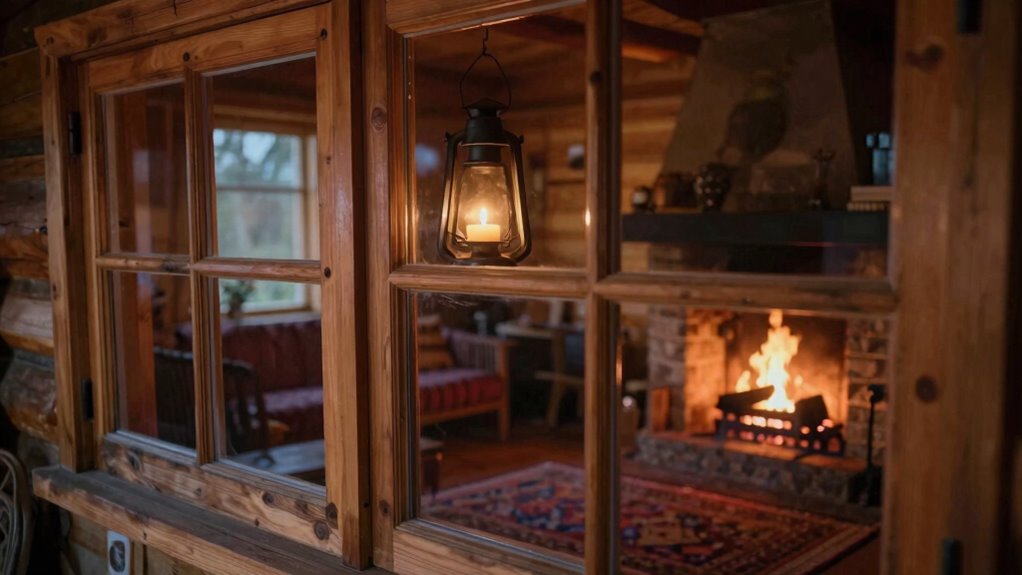

Reflections inside a cabin can pollute your video quality by causing glare, blurriness, and distracting artifacts that obscure details. When light bounces off mirrors, glass, or shiny surfaces, it creates unpredictable visual issues like lens flare and ghosting, reducing contrast and clarity. These reflections can also introduce harsh spots that pull focus away from your main subject. To improve your footage, understanding how to control these effects is essential—keep exploring to learn more.

Get business pricing on garage and car supplies
- Business-only prices and quantity discounts
- Tax-exempt purchasing
- Multiple users, one account, clear invoices
Key Takeaways
- Reflections cause blurriness and distortion, reducing overall video clarity and professionalism.
- They create glare and visual artifacts that obscure important scene details.
- Reflections can introduce ghosting and overlapping images, distracting viewers.
- Uncontrolled reflections increase glare and lens flare, diminishing contrast and scene quality.
- Environmental light interactions with reflective surfaces make it difficult to maintain consistent image quality.

Reflections inside a cabin can substantially degrade video quality, making footage look blurry, distracting, or distorted. When you record in a confined space with reflective surfaces—like glass windows, mirrors, or shiny furniture—light interacts unpredictably, creating unwanted visual artifacts. These reflections often introduce lighting glare, which can wash out the image or cause harsh bright spots that draw attention away from your main subject. The glare can be so intense that it obscures details, reducing overall clarity and making your footage less professional-looking.
Reflections in cabins can cause glare, distortion, and reduce video clarity, making footage look blurry or distracting.
Another common issue is lens flare, which occurs when bright light sources bounce around inside the cabin and hit your camera lens at specific angles. Instead of appearing as a natural part of the scene, lens flare manifests as streaks, circles, or haze, further muddling the image. This phenomenon is especially problematic when sunlight streams through windows at certain times of day or when artificial lights reflect off shiny surfaces. The flare not only distracts viewers but also diminishes contrast, making the scene appear washed out or overly bright. Recognizing the importance of controlling light inside the cabin can significantly reduce these issues and improve overall video quality.
You might think that simply adjusting your camera angle could fix these problems, but reflections often sneak into the frame from unexpected directions. For instance, a glint off a polished table or a mirror’s reflection can introduce glare directly into your shot, even if you’re trying to avoid the light source. These reflections can also bounce around the interior, creating overlapping images or ghostly duplicates, which confuse viewers and dilute the focus on your subject. The more reflective surfaces present, the more complicated it becomes to maintain a clean, sharp image. Moreover, environmental factors such as ambient light and interior layout can further influence how reflections and glare interfere with your footage. Being mindful of these factors can help you better manage reflections and produce clearer videos.
To minimize these issues, you need to be mindful of your environment. Using a lens hood or shading your camera can help block stray light and reduce lens flare. Additionally, controlling the lighting inside the cabin—by dimming bright lights or repositioning light sources—can cut down on glare. If you’re filming near windows, consider using curtains or diffusers to soften incoming light and prevent reflections from bouncing directly into your lens. Sometimes, adjusting your position relative to the light source can substantially improve the shot, avoiding the angles that generate glare and flare. Being aware of reflective surfaces and how they interact with light is essential for controlling visual artifacts and achieving high-quality footage.
In the end, understanding how reflections, lighting glare, and lens flare interact inside a cabin allows you to take proactive steps to preserve video quality. By managing light and positioning your camera carefully, you can produce clearer, more focused footage that genuinely captures the scene without distraction.
camera lens hood for video recording
As an affiliate, we earn on qualifying purchases.
As an affiliate, we earn on qualifying purchases.
Frequently Asked Questions
How Do Cabin Reflections Affect Different Camera Types?
Cabin reflections can considerably affect different camera types because they alter interior angles and reflection angles, leading to unwanted glare or ghost images. For example, mirrorless cameras with wider lenses are more prone to capturing reflections, while DSLRs might handle them better. You need to adjust your camera’s position and angle to minimize reflections, ensuring the interior angles and reflection angles don’t interfere with your shot, preserving video clarity.
Can Lighting Adjustments Reduce Reflection Issues?
Yes, lighting adjustments can reduce reflection issues caused by reflective surfaces. By controlling your lighting setup—such as using diffused light sources or adjusting angles—you minimize harsh reflections inside the cabin. Proper lighting control prevents glare from reflective surfaces, ensuring clearer, higher-quality videos. Experiment with soft, indirect lighting and avoid direct light aimed at reflective surfaces, helping you achieve a cleaner, more professional look in your footage.
Are There Specific Materials That Minimize Reflections Inside Cabins?
Using specific materials like interior coatings and anti-reflective films can minimize reflections inside cabins. These materials, designed to dampen glare and diffuse light, dramatically improve visuals. You’ll find that applying matte coatings or installing anti-reflective films on windows and screens prevents pesky reflections, promoting pristine video quality. Prioritize these products to produce perfect pictures, prevent glare, and perfect your cabin’s visual environment with these powerful, practical products.
How Do Reflections Impact Audio Quality in Videos?
Reflections inside the cabin can negatively impact your audio quality by causing reflection distortion and acoustic interference. These reflections bounce sound waves, creating echoes and muddled audio that make it hard for viewers to understand speech clearly. The more reflections present, the more likely your audio will suffer from distorted sound, reducing overall clarity. To improve audio, you should minimize reflective surfaces and use soundproofing or absorption materials inside the cabin.
What Post-Production Techniques Can Correct Reflection-Related Quality Loss?
To correct reflection-related quality loss, you can use post-production techniques like color correction to balance the affected areas and enhance overall image quality. Additionally, mirror removal tools can help eliminate unwanted reflections, making your footage clearer. These methods allow you to improve your video’s visual quality effectively, ensuring reflections don’t distract or diminish the clarity of your final product.
camera shading kit for cabin filming
As an affiliate, we earn on qualifying purchases.
As an affiliate, we earn on qualifying purchases.
Conclusion
Reflections inside the cabin can turn your video quality into a chaotic mess, like trying to watch a movie through a shattered mirror. They distort images, cause glare, and create distractions that make your footage look unprofessional. To keep your videos crystal clear, you need to be mindful of these reflections and control them effectively. Don’t let tiny reflections turn your perfect shot into an unwatchable disaster—take action now and elevate your video quality to legendary status!
As an affiliate, we earn on qualifying purchases.
As an affiliate, we earn on qualifying purchases.
Halloween Picks
halloween
As an affiliate, we earn on qualifying purchases.