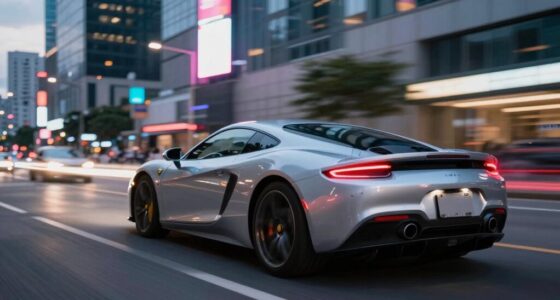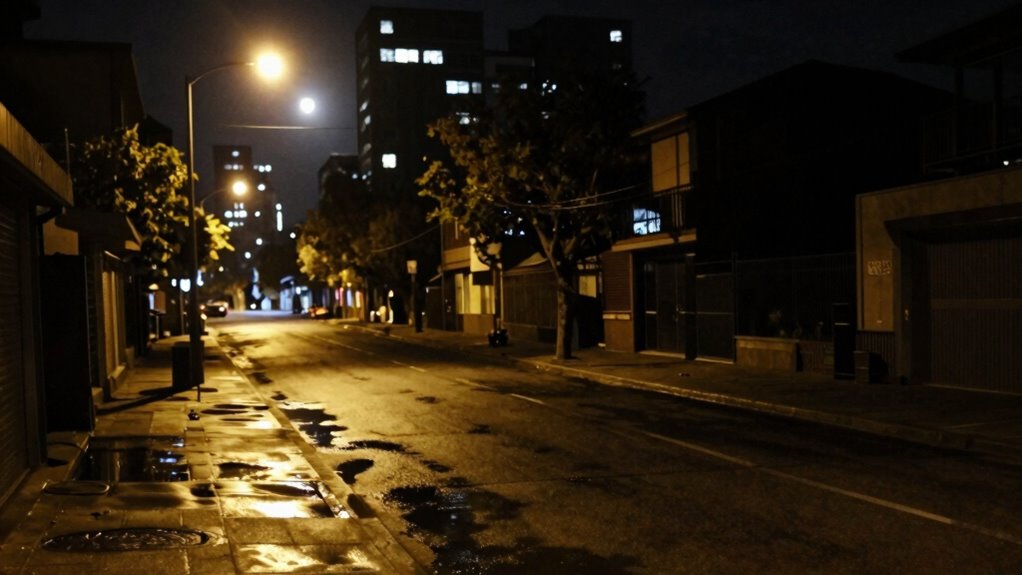

Bright road lighting can make good cameras look bad because it causes overexposure, glare, and harsh color distortions that can wash out details and reduce image clarity. Artificial lights often lead to uneven color tones and scene artifacts, while sensor limitations make handling these conditions challenging. Even high-quality cameras struggle with these issues, resulting in images that look washed out or overly processed. If you keep exploring, you’ll discover ways to handle these lighting problems better.
Key Takeaways
- Bright road lighting can cause camera sensors to overexpose certain areas, reducing detail and clarity.
- Artificial lights create uneven color tones, leading to inaccurate color reproduction and distortion.
- Overexposure from bright lights results in glare, blooming, and scene artifacts that compromise image quality.
- Sensor noise increases in challenging lighting conditions, degrading sharpness and overall image clarity.
- Camera limitations in handling intense or uneven lighting conditions can produce images that look unnatural or distorted.
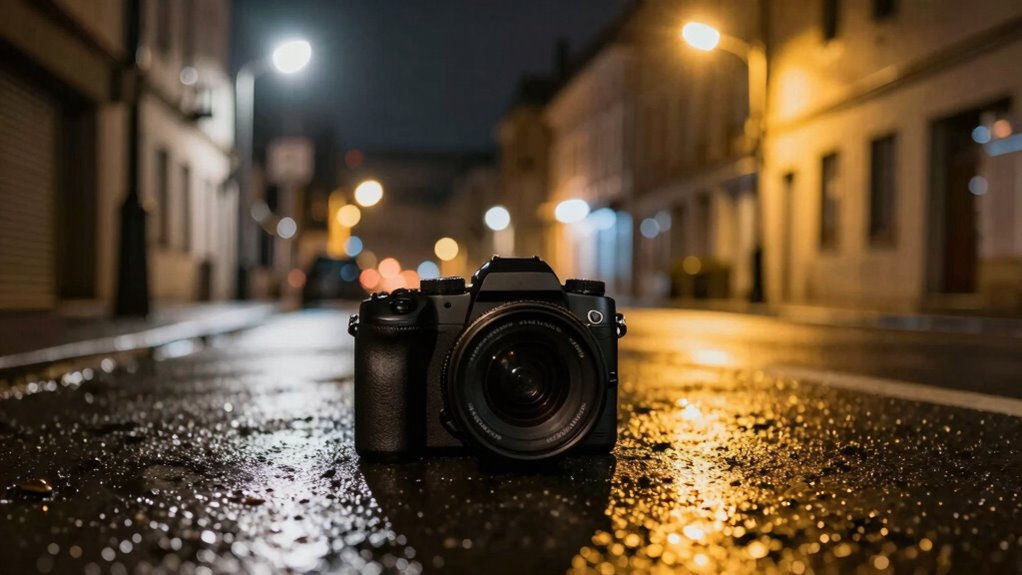
When driving at night, you might notice that your high-quality camera or smartphone struggles to capture clear images of well-lit roads. Despite advanced sensors and impressive hardware, the lighting conditions often cause unexpected issues. One common problem is sensor noise, which appears as grainy or speckled spots in your photos. This noise results from the camera’s sensor amplifying the signal to brighten the image, but it also amplifies unwanted electronic noise, especially in low-light or overly bright environments like well-lit streets. As a result, your images lose sharpness and clarity, making even the best cameras look subpar in these conditions.
Another challenge is color distortion, which becomes more noticeable under artificial lighting. Streetlights, headlights, and neon signs cast uneven, often harsh, color tones that your camera struggles to reproduce accurately. Instead of capturing the scene as you see it, your photos may display unnatural hues—colors appear washed out, overly warm, or overly cool. This distortion is exacerbated when the camera’s automatic white balance setting can’t adjust quickly enough, leading to images that look off or unrealistic. The combination of sensor noise and color distortion can make well-lit roads appear cluttered, chaotic, or even unpleasant, despite the scene being well illuminated.
These issues are particularly frustrating because they seem to undermine the very strengths of your high-quality device. You expect sharp, vibrant images, but instead, the lighting conditions introduce artifacts that degrade overall quality. The problem is often rooted in how the camera’s sensor interprets the scene. Bright lights cause the sensor to overexpose certain areas, leading to blooming or glare, which further distorts the scene’s natural look. At the same time, the camera’s image processing algorithms may struggle to balance exposure and color, resulting in images that look overly processed or unnatural. sensor limitations play a crucial role in these scenarios, highlighting the importance of light handling in camera design. It’s a reminder that good lighting isn’t just about brightness—it’s also about how your camera handles that light. Proper light management can significantly improve image quality in challenging lighting conditions. Additionally, advancements in sensor technology aim to mitigate these issues, but they are still a challenge in many current devices.

K&F CONCEPT 52mm Star Filters Kit (3pcs) 4 Points 6 Points 8 Points Cross Screen Starburst Filters Set -18 Layer Coating Ultra Slim Optical Glass Camera Lens Filter with 3 Cleaning Cloth
【Advanced Coating for Clear Star Effects】Utilizes an 18-layer coating technology to enhance light transmission, reduce reflections and scatter,…
As an affiliate, we earn on qualifying purchases.
As an affiliate, we earn on qualifying purchases.
Frequently Asked Questions
How Does Street Light Color Affect Camera Image Quality?
Street light color affects your camera image quality by influencing how colors and details appear. Warmer lights with low color temperature can cast yellowish hues, reducing clarity and making images look dull. Cooler lights with high color temperature may cause overexposure or color distortion. Additionally, light pollution from excessive or poorly directed lighting can create glare, washing out details and lowering overall image quality, especially at night.
Can Camera Settings Mitigate the Impact of Road Lighting?
Did you know that adjusting camera settings can improve low-light shots by up to 40%? Yes, you can mitigate road lighting’s impact by using camera stabilizers to prevent blur and lens filters to reduce glare and color distortion. These tools help you capture clearer images in challenging lighting conditions, allowing you to adapt to varying streetlights and maintain image quality despite the uneven or harsh illumination.
What Lighting Conditions Are Best for Nighttime Photography?
For nighttime photography, the best lighting conditions avoid urban shadows and light pollution. You want a scene with minimal artificial light, allowing natural darkness to enhance contrast and detail. When urban shadows are present, they add depth, but excessive light pollution causes glare and washes out your shot. Choose locations away from streetlights and artificial sources, and shoot during new moons or clear nights to capture crisp, vibrant images.
How Do Different Camera Sensors Respond to Artificial Street Lights?
Your camera sensor reacts to street lights like a sponge soaking up brightness, which can cause overexposure or color shifts. Depending on sensor sensitivity, you might see more noise in low-light areas. Noise reduction helps smooth out grainy images, but too much can soften details. Different sensors respond uniquely, so understanding your camera’s characteristics helps you tame artificial lighting, ensuring your photos stay sharp and true to life despite the glow.
Are There Specific Lenses Better Suited for Low-Light Road Conditions?
You should choose lenses with good low-light performance, like fast primes or wide-angle lenses with wide apertures (f/1.4 or f/2.8). Lens compatibility is essential, so pick models compatible with your camera. A shorter focal length, such as 24mm or 35mm, helps capture more light and wider scenes during low-light road conditions. This combination improves image quality and reduces noise, making your camera perform better at night.

NEOSIGN Hidden Camera Detector, Anti-Spy Camera Finder RF Signal & WiFi Scanner Hidden Devices Detector for GPS Trackers,5 Levels Sensitivity 4 Modes,Signal Scanner for Hotels,Car, Office, Travel
【4-in-1 Multi Functional Detector】 This portable device integrates wireless signal scanning, infrared detection, magnetic GPS tracking, a built-in…
As an affiliate, we earn on qualifying purchases.
As an affiliate, we earn on qualifying purchases.
Conclusion
So, next time you’re marveling at your fancy camera’s perfect shots, remember—it’s not always the camera’s fault. Blame the blinding road lighting that turns your masterpiece into a murky mess. Who knew that bright street lamps could outshine your lens’s brilliance? Maybe it’s time to thank those pesky lights for reminding you that even the best gear can be humbled by a little artificial glow. After all, perfect pictures are overrated, right?
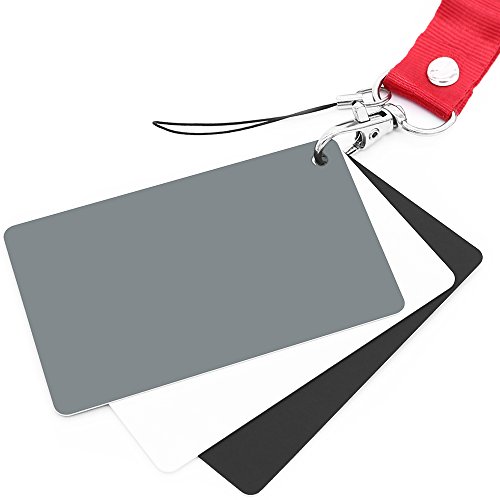
Anwenk Grey White Balance Card 18% Exposure Photography Custom Calibration Camera Checker for DSLR and Film
Neutral 18% Grey / Gray Card with matte finish for scratch resistant. Non reflective and waterproof.
As an affiliate, we earn on qualifying purchases.
As an affiliate, we earn on qualifying purchases.
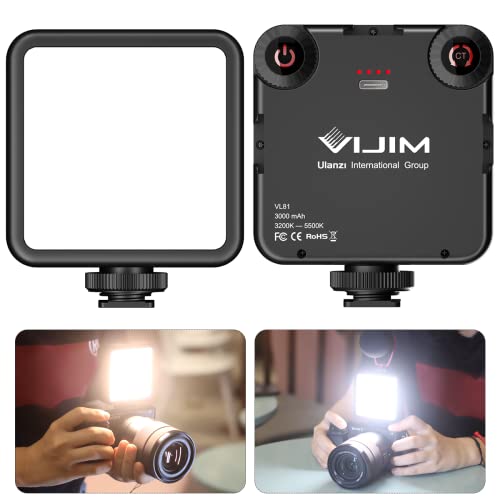
ULANZI VL-81 3000mAh Bi-Color LED Video Light w Softbox – 3200K-5600K+CRI95 Rechargeable Camera Light, 3 Cold Shoe Mount for DSLR/GoPro/Sony/Canon/iPhone, Vlog Filming TikTok Live & Photography
81 Beads Fill Light with Softbox: The VL-81 LED video light is a upgraded version of VL49 2000mah…
As an affiliate, we earn on qualifying purchases.
As an affiliate, we earn on qualifying purchases.