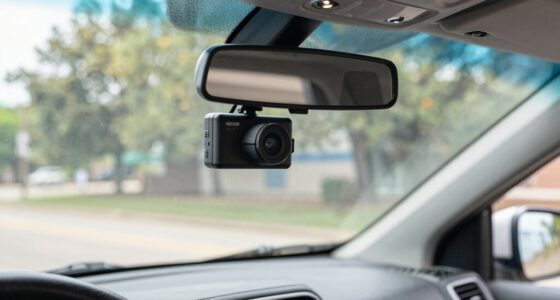
Sharing crash footage online can put your privacy, reputation, and legal case at serious risk. Posting may lead to defamation claims, privacy violations, and damage to your credibility if courts see the content as prejudicial or tampering during litigation. Deleting posts later can be seen as evidence spoliation, risking sanctions. To protect yourself, follow best practices like keeping content private, verifying sources, and consulting legal advice—if you’re curious about how courts view this behavior, keep going for essential insights.
Key Takeaways
- Sharing crash footage publicly can violate privacy rights, especially if it includes identifiable faces or license plates without consent.
- Posting such videos may lead to defamation claims if content falsely damages someone’s reputation.
- Deleting or editing footage after legal proceedings begin risks spoliation sanctions and undermines case integrity.
- Always preserve relevant digital evidence and consult legal advice before sharing crash videos online.
- Use privacy settings and limit sharing to prevent unintended exposure and protect yourself from legal or ethical issues.
Top picks for "post crash footage"
Open Amazon search results for this keyword.
As an affiliate, we earn on qualifying purchases.
The Risks of Sharing Accident Photos and Videos

Sharing accident photos and videos online can expose you to serious legal, privacy, and financial risks. Once you post footage, it becomes discoverable evidence that can be subpoenaed in civil cases or insurance claims, even if you delete it later. Opposing parties can use your videos to challenge injury claims or reconstruct fault, hurting your case’s value. Additionally, posting may create contradictions with your prior statements or medical reports, damaging your credibility and risking accusations of fraud. Deleting or editing footage after litigation starts can be seen as tampering, leading to sanctions. Moreover, videos created by others—like dashcams or traffic cameras—can be obtained and used against you, regardless of your original intent. Once online, control over your content is lost. Furthermore, once shared, videos are often difficult to remove from all platforms, making it nearly impossible to fully erase your digital footprint. The permanence of digital content underscores the importance of exercising common sense before sharing sensitive footage. Being aware of digital permanence can help you make more informed decisions about what you share online. Additionally, understanding privacy risks associated with posting such footage can help you better protect your personal information and reputation.]
How Social Media Content Can Damage Your Case
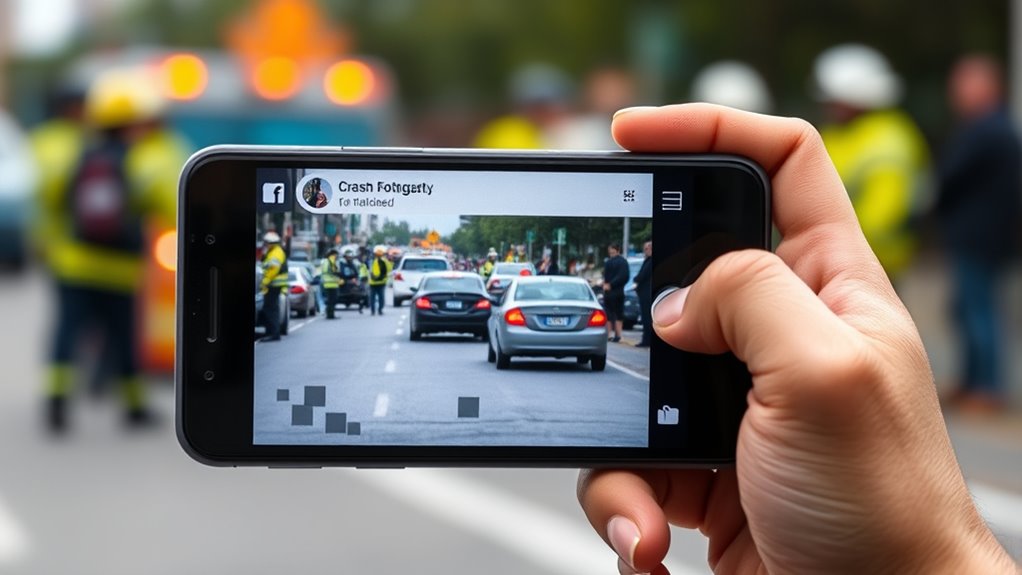
Posting accident footage online may seem like a way to raise awareness or seek support, but it can backfire by providing opposing parties with powerful evidence to challenge your claims. Social media posts can be used to show you engaging in activity—like exercising or traveling—after your alleged injury, undermining your damages claim. Platforms like Facebook, Instagram, and YouTube are often mined for this evidence, with metadata such as timestamps and geolocation placing you at or away from incident sites. Courts have allowed discovery of private posts if relevance is established, meaning deletion or privacy settings don’t guarantee protection. Insurance adjusters and defense investigators routinely monitor social media, collecting content to discredit your credibility and weaken your case. This widespread use highlights the importance of being cautious about what you share online. Additionally, understanding public figures’ online presence can help you recognize how social media activity might be scrutinized in legal contexts. Recognizing the types of social media evidence that can be used against you is essential in managing your online reputation and legal risk. For example, the bitter taste of green tea can be linked to oversteeping, which might be relevant in a case involving dietary claims or health-related evidence. Being aware of metadata and digital footprints can help you better understand how online activity may be analyzed in legal proceedings. Moreover, many social media platforms’ privacy policies outline how user data can be accessed and utilized in legal cases, emphasizing the need for vigilance.
The Legal Implications of Deleting Posts During Litigation

Deleting social media posts during litigation can lead to serious legal consequences, including charges of evidence spoliation. Courts view such deletions as destruction of relevant evidence, risking sanctions like fines, evidence exclusion, or case dismissal. To avoid penalties, you must understand your preservation obligations and consult legal advice before removing any online content. Legal guidelines emphasize the importance of preserving digital evidence and adhering to rules that prohibit obstructing access to evidence. Additionally, understanding cookie categories and user consent management is crucial to ensure compliance with privacy policies and avoid unintentional violations. Being aware of the legal implications of deleting content can help prevent inadvertent breaches that may harm your case. Recognizing the role of wave and wind in digital data transmission can also inform your understanding of how online content is stored and retrieved, reinforcing the need for careful evidence handling. Moreover, considering authenticity and integrity of digital evidence is vital to maintain its admissibility in court.
Evidence Destruction Risks
During litigation, deleting social media posts can have severe legal consequences, as courts view such actions as evidence destruction that hampers the discovery process. Once litigation is reasonably anticipated, you have a legal duty to safeguard electronically stored information, including social media content. Preservation obligations are crucial to ensure relevant evidence is not destroyed or altered. A failure to recognize the importance of digital evidence can lead to significant legal setbacks. Deleting posts after receiving a complaint or demand violates this duty and can lead to court sanctions, financial penalties, or even case dismissal. Courts frequently impose adverse inference instructions, instructing juries to assume missing evidence is unfavorable. This harms your credibility and weakens your case. Attorneys must ensure clients preserve relevant social media data and conduct diligent searches. Failing to do so risks sanctions, adverse inferences, and damaging your legal position. Preservation is critical to avoid accusations of evidence spoliation and ensure fair litigation. Furthermore, failure to retain social media posts can result in legal penalties for non-compliance with preservation obligations, especially when such content is considered relevant to the case. Recognizing the importance of social media evidence helps to protect against allegations of evidence spoliation and supports a fair legal process. Additionally, understanding the support for preservation provided by relevant case law underscores the importance of timely and comprehensive evidence retention. In today’s digital age, courts increasingly recognize the significance of social media as a vital source of electronic discovery that can influence case outcomes.
Spoliation of Evidence
When social media content is deleted or altered during litigation, it can lead to serious legal consequences under the doctrine of spoliation of evidence. You’re required to preserve relevant evidence once litigation is reasonably foreseeable, especially if a duty arises from statute, contract, or a litigation hold. If you destroy, lose, or substantially impair critical evidence like videos, photos, or messages, courts may impose sanctions. These can include instructing the jury to presume the evidence was unfavorable, excluding related testimony, or even dismissing your case. For electronically stored information, deletion risks losing metadata and authenticity, making preservation vital. Using preservation letters, subpoenas, or platform notices helps prevent spoliation and ensures you meet your legal obligations during ongoing litigation. Failure to preserve relevant data can be considered intentional or negligent spoliation, which may trigger additional legal penalties or adverse inferences. Proper evidence preservation is essential to avoid legal liabilities, maintain the integrity of the case, and prevent body from being compromised or manipulated.
Legal Penalties for Deletion
Deleting social media posts or videos in the midst of litigation can lead to serious legal penalties. Courts can impose monetary sanctions, issue adverse inference instructions, or even dismiss cases for spoliation. In California, negligent deletion after a duty to preserve can result in evidence sanctions, as seen in Victor Valley Union High School District v. Superior Court. Intentional deletions, especially when prejudicial, warrant harsh sanctions, including significant fines and credibility issues. For example, in Lester v. Allied Concrete, deleting Facebook photos led to $700,000 in sanctions and professional repercussions. Federal courts, like in New Jersey, also impose fines or instruct juries to assume deleted data harms the case. Remember, social media records are often recoverable, and deleting posts after a preservation demand can severely damage your case. Acting quickly to recover deleted content or seek court intervention is crucial to avoid sanctions and preserve your legal position.
Protecting Your Privacy and Reputation Online

Posting crash footage online can substantially impact your privacy and reputation, often in ways you might not anticipate. When sharing videos, consider that public-space recordings are generally admissible, but privacy laws still apply. Private-property footage without consent may be suppressed or lead to civil liability. Be aware that police and government videos are protected by public-record rules, and mishandling them can jeopardize your case. To protect yourself, immediately request preservation of relevant footage and document all communications. Avoid sharing videos that reveal faces, license plates, or interiors, as this risks exposing identities and private data. Misinterpretation or viral sharing can harm reputations. Always verify the source and context to prevent legal issues or defamation claims. Additionally, understanding privacy rights and legal boundaries can help you navigate what is safe to post and what could lead to legal repercussions. Being aware of how privacy laws are enforced can also guide your decisions about sharing sensitive footage.
Best Practices for Social Media Use During a Personal Injury Case

During a personal injury case, it’s vital to limit what you post on social media to protect your legal standing. Keep your content private and neutral, avoiding any updates that could be used against you. Always consult your attorney before sharing any information online to make sure you’re not jeopardizing your case. Remember, social media records can be subpoenaed and accessed even if you believe your posts are private or deleted. Additionally, be aware of crypto market trends that could influence public perception or your case’s context. Understanding privacy regulations and how they apply to your online activities can further safeguard your case and personal information. Being mindful of online privacy practices can also help prevent unintentional disclosures. Recognizing the importance of astrological influences on personal confidence can remind you to focus on factual and relevant updates rather than personal beliefs that could be misinterpreted. Staying informed about digital footprint management can help you maintain control over your online presence and minimize potential legal risks.
Limit Posting During Litigation
When involved in a personal injury case, it’s essential to limit what you share on social media to avoid jeopardizing your legal position. Refrain from posting about accident details, injuries, or recovery progress, as these can conflict with court testimony. Don’t discuss legal proceedings or case specifics, even indirectly, since comments can be misconstrued. Avoid sharing updates on medical treatments or emotional states that might contradict your injury claims. Limit posts showing physical activities, vacations, or check-ins that suggest fewer injuries. Strengthen your privacy settings, but know they aren’t foolproof—discovery requests can still access private content. Always consult your attorney before deleting posts or sharing uncertain content. Moreover, inform friends and family to avoid posting or tagging anything related to your case, ensuring your online activity doesn’t undermine your legal position. Being mindful of your online presence can help protect your privacy and legal interests, especially considering that social media platforms are often used as sources during discovery processes.
Keep Content Private and Neutral
Managing your social media privacy settings is a key step in protecting your legal position. Set all accounts to the highest privacy level, regularly review settings, and restrict past posts to prevent revealing damaging content. Use platform tools to limit or archive old posts instead of deleting, which can be questioned in court. Remove unknown followers, disable location sharing, and restrict tagging to avoid automatic exposure. Keep a record of your accounts and deactivate unused profiles to reduce risk. Additionally, understanding how privacy tools like BTU and CADR calculators work can help you evaluate what information you’re sharing about your home environment, contributing to a more comprehensive privacy strategy. When sharing content, consider deep-sky imaging techniques to ensure your posts remain neutral and avoid revealing sensitive details.
Understanding How Courts View Online Content as Evidence

Courts assess online video evidence carefully to determine its authenticity and relevance before accepting it into a case. You’ll need to prove the footage is what it claims to be, often requiring the original recording or a properly authenticated copy. Chain-of-custody documentation helps demonstrate the video hasn’t been been altered, supported by witness testimony from those familiar with the device or footage. Relevance is also critical; the footage must relate directly to a material issue, like fault or damages, and exclude unrelated content. Courts scrutinize metadata, timestamps, and any signs of editing to ensure technical integrity. Privacy considerations and statutory limits may influence admissibility, especially for recordings made in public spaces. Proper discovery, disclosure, and authentication are essential to prevent evidence from being excluded at trial. Additionally, courts may consider the context in which the footage was obtained to assess its credibility and potential bias.
Frequently Asked Questions
Can I Delete Social Media Posts After an Accident Without Legal Consequences?
You can delete social media posts after an accident, but be careful. Deleting content might be seen as spoliation of evidence, leading to court sanctions or adverse inferences that hurt your credibility. Insurers and lawyers can still access deleted posts through backups or subpoenas. To reduce risk, stop posting about the incident once litigation seems likely, and consult with an attorney before deleting anything to understand potential legal consequences.
Are Private Social Media Accounts Completely Protected From Legal Scrutiny?
Imagine it’s 1999, and you think your private social media account is safe from prying eyes. The truth is, private accounts aren’t completely protected from legal scrutiny. Courts can compel access if they find relevance to a case, even if you’ve set strict privacy controls. So, don’t assume your private content is off-limits—relevance, legal rules, and court orders can expose even the most hidden posts.
How Can I Prevent Friends From Posting About My Accident Online?
You can prevent friends from posting about your accident by sending them a clear, written request to refrain from sharing or tagging related content. Ask them to delete existing posts and confirm in writing. Educate them about privacy controls, and suggest private messages or calls instead of public posts. If necessary, consult an attorney to send a cease-and-desist letter or pursue legal actions to enforce your rights and protect your privacy.
Does Sharing Crash Footage on Social Media Increase My Legal Risks?
Sharing crash footage on social media can considerably increase your legal risks. It may be used as evidence against you, showing behaviors or circumstances you didn’t intend to reveal. Insurance companies and opposing parties can access this footage, potentially contradicting your claims or implying fault. Even private posts aren’t fully protected, and deleted videos can be recovered. To protect yourself, avoid posting or sharing such footage publicly or privately.
What Are the Penalties for Deleting Evidence During a Lawsuit?
Like Pandora opening her box, deleting evidence during a lawsuit can unleash serious penalties. You risk civil sanctions like evidence preclusion, case dismissal, or default judgment. You could also face monetary fines, especially if the deletion is found to be in bad faith. In criminal cases, intentional destruction might lead to fines, jail time, or even felony charges. It’s best to preserve all relevant evidence to avoid these costly consequences.
Conclusion
Sharing crash footage online might seem harmless, but it can backfire in unexpected ways. Your posts could damage your case, invade privacy, or even lead to legal trouble if you delete them later. So, before hitting “share,” ask yourself—what are you risking? The online world is unpredictable, and once your content’s out there, it’s hard to control. Stay cautious, stay smart—because what you post today could have consequences you never saw coming.