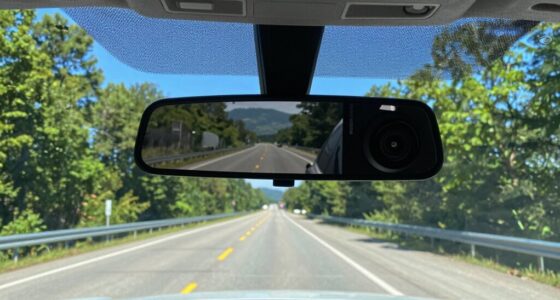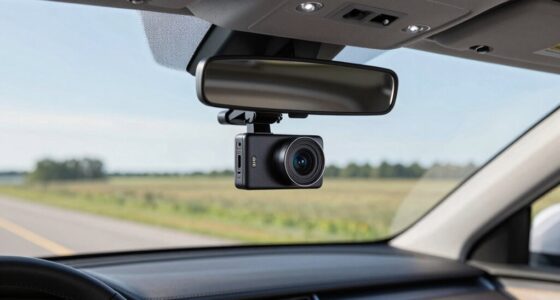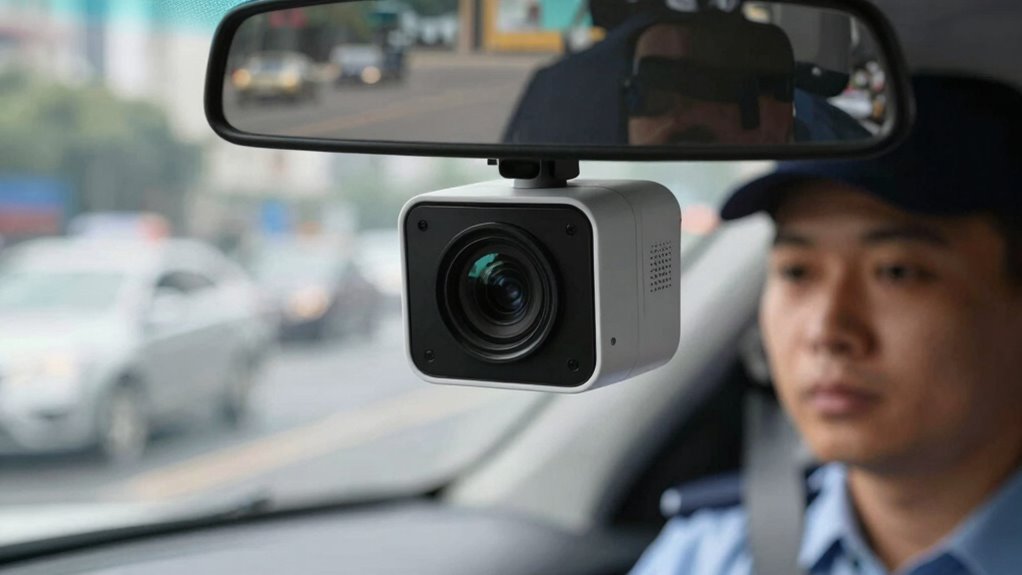

Body cameras for drivers add an essential layer of evidence on the road. They enhance safety and accountability by providing clear footage in case of accidents or disputes. This visual proof not only strengthens your legal case but also speeds up insurance claims, reducing stress. With growing public support, understanding their purpose can help ease privacy concerns. You’ll discover more about the benefits and considerations that come with this innovative technology.
Open a free Amazon Business account
Business pricing, bulk buying and tax-exempt orders.
As an affiliate, we earn on qualifying purchases.
Key Takeaways
- Body cameras provide clear visual evidence in accidents, enhancing accountability for drivers and other parties involved.
- They reduce reliance on potentially biased witness statements, offering an objective account of events.
- Recorded footage strengthens legal cases, making it easier to resolve disputes and support claims.
- Insurance claims processes are expedited with documented proof, leading to faster resolutions and fair treatment.
- Community trust is built through transparent usage of body cameras, emphasizing safety over privacy concerns.

In today’s world, many drivers are turning to body cameras as a way to enhance safety and accountability on the road. This technology adoption isn’t just a trend; it’s reshaping how you think about driver accountability. With a camera capturing every moment, you can provide clear evidence in case of accidents or disputes. This can greatly impact legal implications, as having visual proof can strengthen your case in court.
When you’re involved in an accident, the aftermath often revolves around insurance claims. Having a body camera means you’ve got a reliable record of what happened, which can expedite the claims process. Instead of relying solely on witness statements or varying accounts, you can present an objective view of the incident. This can make a huge difference in the outcome of claims, saving you time and stress while ensuring you receive fair treatment from your insurer.
However, adopting this technology also brings privacy concerns. You might wonder who has access to the footage and how it’s stored. It’s essential to reflect on your rights and the implications of recording others without their consent. Ensuring transparency about how you use the footage can alleviate fears and improve public perception. If people understand that body cameras aim to enhance safety rather than invade privacy, they’re more likely to support their use. Additionally, understanding home security principles can help you better manage the storage and access of your footage. Recognizing the importance of data security is crucial to protecting sensitive recordings from unauthorized access. Moreover, understanding privacy laws related to recording can help you navigate legal boundaries and avoid potential issues. A thorough understanding of legal considerations can also guide responsible usage and help you stay compliant with regulations.
Cost analysis plays a vital role as you weigh the benefits against the investment. The upfront costs of body cameras, along with potential maintenance, might seem intimidating. However, think about the long-term savings from reduced legal fees and smoother insurance claims. When you evaluate the financial aspect, the peace of mind that comes from knowing you’re protected can outweigh the initial investment. Incorporating ethical practices in your use of body cameras ensures that recordings are handled responsibly and respectfully, fostering trust and compliance.
The safety benefits of body cameras are considerable. Knowing you’re recording can encourage you to drive more responsibly. You’re less likely to engage in risky behaviors if you know there’s a camera documenting your actions. This can lead to safer driving habits, not just for you but also for those around you.
driver body camera with night vision
As an affiliate, we earn on qualifying purchases.
As an affiliate, we earn on qualifying purchases.
Frequently Asked Questions
How Do Body Cameras Affect Insurance Claims for Drivers?
Body cameras can greatly impact your insurance claims by providing clear evidence during claim disputes. When you capture incidents on video, it enhances evidence reliability, helping insurers assess situations more accurately. This can lead to quicker resolutions and fairer settlements. If an accident occurs, having recorded footage can support your version of events, reducing the chances of misunderstandings with claims adjusters and potentially lowering your premiums in the long run.
Are Body Cameras Legal to Use in All States?
Yes, body cameras are legal in most states, but you’ll want to check specific body camera regulations in your area. They often come with legal implications, especially regarding privacy and consent. Just like maneuvering through a maze, staying informed about local laws is essential. Some states require consent from individuals being recorded, while others don’t. So, before you hit the road with a body camera, make sure you know the rules that apply to you.
What Happens to the Footage After a Recording?
After a recording, the footage goes through a process of data management and retention. You’ll find that most systems store the footage securely for a specified period, often dictated by regulations or department policy. Once that time frame expires, the footage may be deleted or archived. It’s essential to understand your local laws, as they can impact how long footage is kept and what happens to it afterward.
Can Body Cameras Improve Driver Behavior on the Road?
Imagine you’re cruising down the road, aware that a camera’s capturing your every move. This awareness can spark driver accountability and encourage behavior modification. You’re less likely to speed or tailgate when you know someone’s watching. With body cameras, you not only change how you drive but also influence others around you. The result? A safer, more considerate driving environment where everyone feels the pressure to improve their habits behind the wheel.
How Are Privacy Concerns Addressed With Body Cameras?
Privacy concerns with body cameras are addressed through strict data protection measures and consent protocols. You’ll find that footage is often limited to specific situations, guaranteeing it’s not misused. Additionally, organizations implementing these cameras usually require consent from drivers and passengers, maintaining transparency. Regular audits help guarantee compliance with privacy regulations, so you can feel more secure knowing that your rights are considered in the use of these devices.
car dash camera with evidence recording
As an affiliate, we earn on qualifying purchases.
As an affiliate, we earn on qualifying purchases.
Conclusion
In today’s world, body cameras for drivers are more than just gadgets; they’re your digital guardians on the road. With every mile, they capture vital moments, turning potential disputes into clear narratives. As you navigate through traffic, remember that this new layer of evidence can be the difference between a smooth ride and a bumpy legal battle. Embrace this technology—it’s not just about safety; it’s about steering toward truth in a world full of gray.
wearable body camera for drivers
As an affiliate, we earn on qualifying purchases.
As an affiliate, we earn on qualifying purchases.
vehicle dash cam for accident recording
As an affiliate, we earn on qualifying purchases.
As an affiliate, we earn on qualifying purchases.
Labor Day sales Picks
labor day deals
As an affiliate, we earn on qualifying purchases.