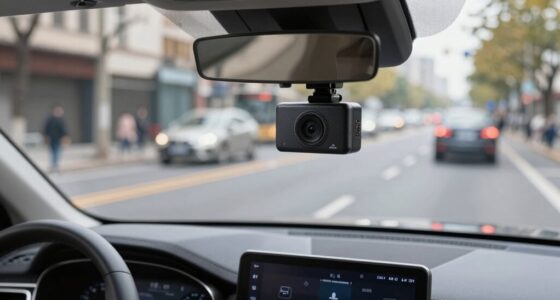

In Vermont, you must adhere to specific rules for mounting your dash cam, such as placing it in the lower right corner or upper left corner of your windshield, with size limits to avoid obstruction. Vermont’s one-party consent law means you can record audio if you or the other person agree, but privacy matters inside your vehicle, especially with passengers. For a full understanding of how to stay compliant and protect your rights, continue exploring these essential guidelines.

Get business pricing on garage and car supplies
- Business-only prices and quantity discounts
- Tax-exempt purchasing
- Multiple users, one account, clear invoices
Key Takeaways
- Dash cams must be mounted in Vermont’s designated zones, avoiding obstructions, with size limits of 4″x12″ (lower right) or 2″x2.5″ (upper left).
- Vermont follows federal law requiring only one-party consent for audio recordings inside vehicles.
- Recording conversations without consent from all parties may violate federal privacy laws; notifications can help.
- Dash cam footage is admissible in court if properly authenticated and obtained legally, with clear chain-of-custody.
- Proper installation and respect for privacy laws are essential to ensure legal compliance for both video and audio recordings.
Understanding Vermont’s Mounting Location Regulations

To comply with Vermont’s dash cam laws, you need to understand where you can mount your device without obstructing your view. The lower right corner of your windshield is the primary authorized zone, with size limits of 4 inches high and 12 inches long. Your device must stay within these dimensions, with a maximum height of 4 inches and length under 12 inches. The device should be mounted in the lower right-hand corner, near the passenger side, to avoid blocking your line of sight. Alternatively, the upper left corner allows smaller devices no larger than 2 inches high and 2.5 inches wide, but strict size compliance is mandatory. Always verify your dash cam is securely installed, avoiding interference with wipers or other visibility areas. Proper mounting regulations are essential to avoid legal issues and ensure safety while driving. Additionally, ensuring your device does not obstruct your view is crucial for both legal compliance and safe driving practices, as visibility considerations are emphasized in Vermont’s dash cam laws. Incorporating field-of-view principles can help you position your device optimally for safety and legality. Proper positioning can also enhance the clarity of footage, making it more useful in case of an incident. Furthermore, understanding auditory feedback techniques can assist in maintaining focus on safe driving habits while monitoring dash cam footage.
Size Limits and Placement Zones for Dash Cams
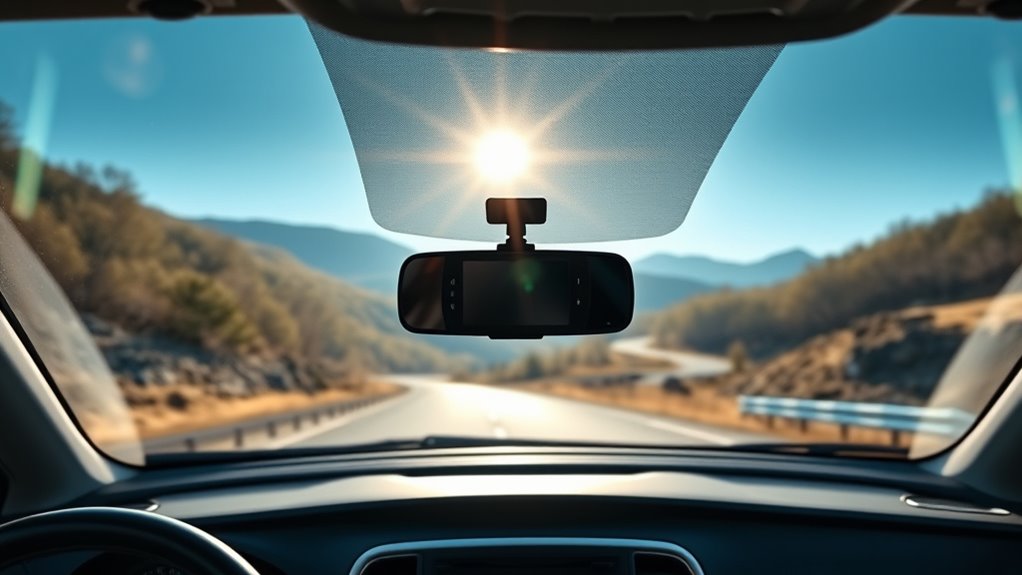
In Vermont, your dash cam must fit within specific size limits depending on where you place it on your windshield. You can also consider mounting it on the dashboard if it exceeds these dimensions or obstructs your view. Ensuring your device stays within the designated zones and doesn’t block your sightline is key to staying compliant with the law. Proper placement helps prevent legal issues related to obstruction and ensures your device remains within the allowed area. Additionally, understanding regulations for mounting can help you avoid potential citations or legal complications. Being aware of state-specific dash cam laws further supports legal compliance and safe usage. Incorporating innovative European cloud solutions can also enhance your dash cam’s data management and security features, providing added peace of mind.
Proper placement also involves considering privacy laws, which govern the use of audio recording features in your dash cam to ensure you stay within legal boundaries.
Windshield Zone Dimensions
Vermont law specifies two designated zones for mounting dash cams on your windshield, each with specific size limits to make sure your device doesn’t obstruct your view. The primary zone is in the lower right-hand corner, limited to 4 inches high and 12 inches long, ensuring the camera fits without blocking your line of sight. The secondary zone is in the upper left-hand corner, with a maximum size of 2 inches high and 2.5 inches long, suitable for smaller cameras. Both zones are carefully defined to prevent obstruction, with the lower zone allowing a larger device and the upper zone reserved for compact models. Exceeding these dimensions risks violations, so keep your dash cam within these limits to stay compliant while maintaining clear visibility. Additionally, state laws may restrict the use of reflective or metallic materials on the dash cam to prevent dazzling other drivers. Proper mounting techniques are essential to ensure your dash cam remains stable and unobtrusive during driving. Ensuring your dash cam is correctly positioned within these zones helps avoid potential legal issues and enhances safety on the road.
Dashboard Mounting Options
When mounting your dash cam, it’s essential to choose placement options that comply with size limits and avoid obstructing your view. If your device exceeds Vermont’s windshield corner size limits, dashboard mounting is the safest choice. You can place your dash cam on the dashboard where it doesn’t block controls or sensors. Low-profile mounts are recommended to keep the device discreet and minimize distraction. Using suction-cup or adhesive mounts on the windshield is only permitted within the specified corner zones—up to 4 inches high and 12 inches long in the lower right corner, or 2 inches high and 2.5 inches long in the upper left corner. Always measure your device, including brackets or housings, to ensure it stays within these dimensions. Proper placement helps you avoid citations while maintaining clear visibility. Additionally, understanding the Gold IRA markets can provide valuable insights for long-term financial planning. Being aware of local dash cam laws ensures you remain compliant with Vermont regulations and avoid potential legal issues.
Obstruction Compliance Rules
To comply with Vermont’s dash cam obstruction rules, you need to pay close attention to size limits and designated placement zones. The lower right-hand corner of your windshield allows devices up to 4 inches high and 12 inches long, ensuring no obstruction to your view. If your dash cam exceeds these dimensions, you must mount it on the dashboard or another non-obstructing area. The upper left-hand corner is much more restricted, with a maximum size of 2 inches high and 2.5 inches long, and placement must avoid interfering with your visibility. No materials or devices should block your clear line of sight at any time. Following these rules helps keep your dash cam legal and your view unobstructed, avoiding potential violations. Additionally, proper placement ensures compliance with Vermont’s safety regulations and prevents legal issues. Proper installation techniques can also help you adhere to these guidelines effectively. Paying attention to legal requirements can save you from penalties and ensure your dash cam remains a helpful safety device rather than a legal liability. Being aware of wave and wind considerations can also help protect your device from environmental damage and ensure clear recordings. Regularly inspecting your mounting hardware can help maintain your dash cam’s position and functionality over time. Moreover, understanding environmental factors can assist in choosing the best mounting locations to enhance durability and recording quality.
Vermont’s Audio Recording and Consent Laws
In Vermont, the law follows federal rules for audio recordings, meaning only one-party consent is needed to record conversations. If you’re in your vehicle with a dash cam, you’re generally allowed to record audio as long as you’re a participant. Keep in mind that recording passengers or others without their consent can raise privacy concerns, so understanding these rules helps you stay compliant. Vermont is an exception to some stricter state laws, but it still generally adheres to the federal one-party consent standard for audio recordings. Be aware that privacy laws vary by state, and staying informed helps ensure your dash cam usage remains within legal boundaries. Additionally, understanding the legal boundaries surrounding audio recording can prevent unintentional violations that might lead to legal issues. Moreover, knowing the electric bike horsepower and speed capabilities can be relevant if your dash cam records situations involving high-performance bikes, helping you interpret the context accurately. Being familiar with dash cam mounting regulations can also help you avoid penalties and ensure your device remains properly installed. It’s also important to recognize that audio recording laws can differ depending on local jurisdiction, so verifying specific regulations in Vermont is advisable.
One-Party Consent Rules
Vermont does not have a specific statute addressing audio recording consent, leaving the state’s rules effectively governed by federal law. Under the federal Wiretap Act (18 U.S.C. § 2511), only one-party consent is required to record conversations. This means you can legally record in-vehicle audio if you’re a participant, such as the driver recording inside the car. However, recording conversations involving non-participants, like pedestrians or other drivers, could violate federal laws against intercepting communications. If you’re using a dash cam, posting notices or disclosures can imply consent and reduce privacy concerns. Be cautious when traveling across state lines, especially in all-party consent states, as differing laws may affect your recording rights. Violating these rules can lead to criminal or civil penalties. Additionally, understanding privacy laws in your jurisdiction can help prevent legal issues related to audio recordings, especially when considering the different state laws that may apply. Being aware of recording laws can help you stay compliant and avoid inadvertent violations, and staying informed about spirituality insights, such as the significance of the 1011 Angel Number, can also promote positive intentions in your actions.
Passenger Privacy Considerations
Because passengers have a reasonable expectation of privacy during private conversations in a vehicle, it’s important to contemplate their notification and consent when recording audio. Vermont law considers in-vehicle conversations private unless in a public setting, so notifying passengers is recommended. To guarantee compliance, you might display signage or verbally disclose at the trip’s start. Use the following table to visualize different approaches:
| Method | Privacy Implication |
|---|---|
| Verbal disclosure at start | Clear, direct, and widely accepted |
| Visible signage (sticker) | Provides ongoing notice |
| No notification | Risks privacy invasion claims and legal issues |
Additionally, because recording audio without proper consent can lead to legal complications, it’s advisable to adhere to Vermont’s audio recording laws to avoid potential violations. Understanding privacy laws related to in-vehicle recordings can help prevent inadvertent breaches and ensure respectful treatment of passenger rights. For example, being aware of consent requirements can help you stay compliant and avoid legal pitfalls. Recognizing audio recording laws is essential to ensure your practices align with legal standards and protect your rights as a driver.
Privacy Expectations and Recording Inside Vehicles
Recording inside vehicles involves clear privacy expectations, especially regarding audio. Vermont is an all-party consent state, meaning you must get permission from everyone before capturing their conversations with your dash cam. While some sources suggest single-party consent, local legal analyses confirm that all passengers need approval. Failing to do so risks making the audio inadmissible and could lead to legal penalties. Inside the vehicle, audio recording is considered private, unlike video in public areas like roads and parking lots, where no privacy is expected. To stay compliant, you should disable audio unless you’ve secured consent from all parties. Also, posting visible notices informing passengers about recording activities is recommended, especially if you plan to record audio. Proper notification helps protect everyone’s privacy rights.
Using Dash Cam Footage as Evidence in Vermont
Using dash cam footage as evidence in Vermont requires understanding how courts evaluate its relevance and authenticity. To be admissible, the footage must accurately depict what occurred, remain unaltered, and be properly authenticated. You’ll need to prove the recording took place at the collision time from your specific dash cam, maintaining a chain-of-custody with intact time-stamps and GPS data. Using tamper-proof hardware and avoiding edits helps guarantee integrity. Vermont courts accept dash cam footage for civil and criminal cases if obtained legally and shown to be relevant and authentic. The footage can be used against you if it shows fault or violations, and opposing parties can request access during litigation. Its evidentiary value lies in clarifying pre-collision actions, fault, and liability, supporting your case with objective facts. Proper legal procedures and expert guidance also play a crucial role in ensuring the footage’s admissibility and effective use in court.
Best Practices for Legally Compliant Dash Cam Use
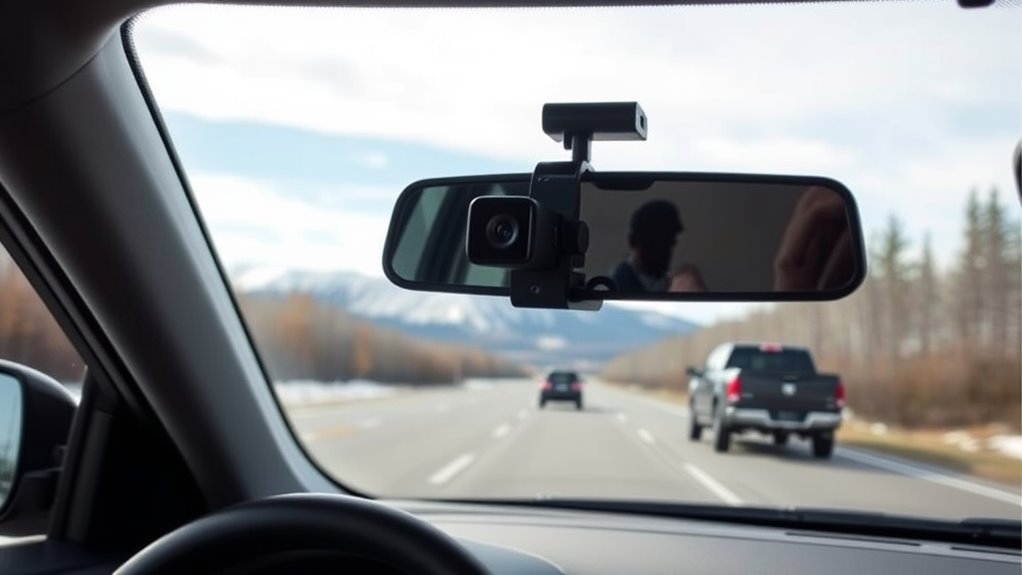
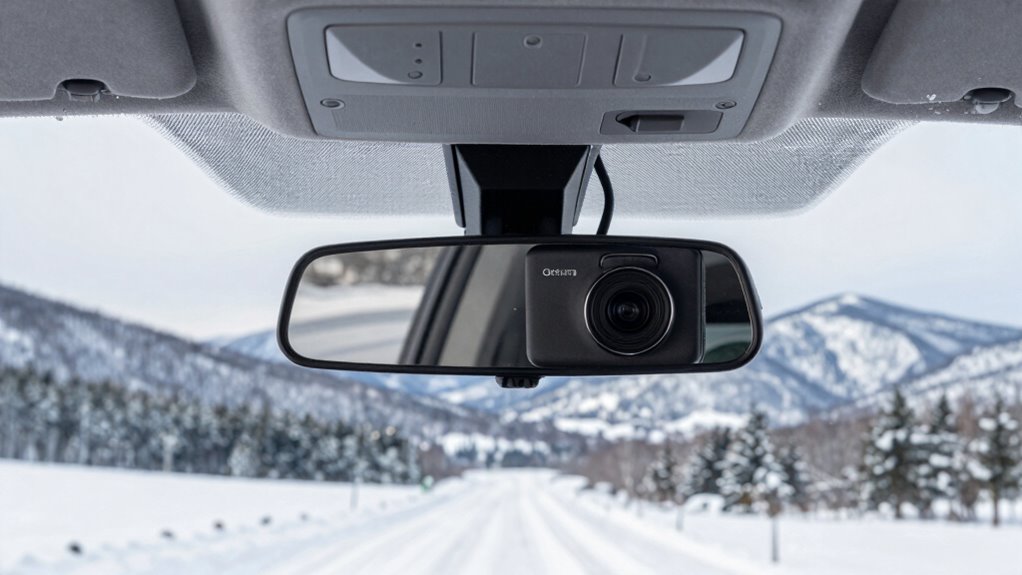
To guarantee your dash cam use remains within Vermont’s legal boundaries, you should pay close attention to mounting locations and size restrictions. Avoid obstructing your view by mounting the device in permissible areas like the dashboard or behind the rearview mirror, and steer clear of spots within the windshield wiper sweep. Keep in mind these best practices:
Mount dash cam in safe spots like dashboard or behind rearview mirror to stay legal and unobstructed.
- Mount in the lower right or upper left windshield corners within size limits
- Use dashboard mounting to prevent obstruction violations
- Ensure the device doesn’t block your view or interfere with safe driving
- Regularly review and delete unnecessary footage to protect privacy and reduce storage risks
- Remember that proper placement not only complies with Vermont laws but also helps prevent distractions while driving and ensures the footage remains admissible in legal situations.
Following these guidelines helps you stay compliant with Vermont laws, minimizes distractions, and respects others’ privacy while using your dash cam.
Privacy Considerations for Commercial and Rideshare Vehicles

Because privacy considerations are essential in commercial and rideshare vehicles, understanding Vermont’s rules helps you avoid legal issues. Vermont is a one-party consent state for audio recordings, meaning you can record conversations if either you or the other party consents. There are no specific laws governing audio in vehicles, but this applies to conversations in truck cabs or commercial vehicles. For video recordings, it’s legal to record in public and semi-public places like vehicle cabs, as there’s little expectation of privacy. However, recording on private property requires property owner permission, and activation of dash cams on private sites without consent could violate privacy laws. To stay compliant, inform passengers verbally, post signs, and ensure recordings serve legitimate business purposes.
Tips for Maintaining and Securing Dash Cam Recordings
Proper maintenance and security of your dash cam recordings help guarantee their reliability when needed. To keep your footage clear and accessible, regularly care for your device and files. – Clean the lens weekly with a microfiber cloth and lens-safe cleaner to ensure sharp images and reduce unusable footage. – Use high-endurance, Class 10/U3 microSD cards and format them every 2–4 weeks to minimize corruption and wear. – Install firmware updates promptly and verify features like GPS logging and event triggers after updates for smooth operation. – Enable encryption or password protection on your device to prevent unauthorized access and safeguard critical files. Regularly checking the device’s security settings also helps prevent hacking or tampering. Following these tips helps maintain recording quality, protects your data, and ensures your dash cam remains a reliable witness in any situation.
Frequently Asked Questions
Can I Record Audio in Vermont Without Informing Passengers?
Yes, you can record audio in Vermont without informing passengers if you’re the only one consenting to the recording. Vermont follows one-party consent laws, so as long as you’re a participant, you’re legally allowed to record in-car audio without notifying others. However, it’s best practice to inform passengers to reduce privacy concerns and legal risks, especially if recordings could be shared or used in legal proceedings.
Are There Specific Dash Cam Brands That Meet Vermont Regulations?
You’re probably wondering if any dash cam brands meet Vermont regulations. Several brands stand out, like Vantrue with compact models under 4″×12″, Garmin with slim profiles and adhesive mounts, Nextbase’s small series, Thinkware’s low-profile units, and BlackVue’s slim single-lens options. These brands offer models that fit Vermont’s size, mounting, and privacy rules. When choosing, make certain the camera has adjustable audio controls, local storage, and indicators to stay compliant and protect your privacy.
How Long Can I Legally Keep Dash Cam Recordings in Vermont?
You can keep dash cam recordings in Vermont as long as you need, but it’s best to delete uneventful footage after 30 to 90 days to save storage space. If the footage relates to an incident or investigation, you should retain it until it’s no longer relevant or required by law. Be cautious not to delete recordings that might be used as evidence, as doing so could have legal consequences.
Do Vermont Laws Differ for Commercial Versus Personal Dash Cam Use?
Think of Vermont’s dash cam laws as a strict coach—no matter if you’re personal or commercial, rules are consistent. You can mount devices in specific corners, and size limits apply across the board. Audio recordings require all-party consent, whether you’re a driver or fleet operator. The key is transparency: inform passengers, disable microphones if needed, and follow privacy rules to stay compliant and avoid legal penalties.
Is It Legal to Share Dash Cam Footage Publicly in Vermont?
Yes, you can share dash cam footage publicly in Vermont. You’re typically the owner and control the footage, but be cautious about privacy concerns. Avoid sharing private conversations or sensitive personal info, and consider disabling audio or obtaining consent. Be aware that recording on private property or revealing private details may lead to legal issues. Always respect privacy expectations and redact identifiable information before posting to stay within legal boundaries.
Conclusion
By following Vermont’s dash cam laws, you can confidently record your drives while respecting privacy rights. Remember, over 70% of drivers use dash cams for safety and evidence, but improper use can lead to legal issues. Stay informed about mounting, audio, and privacy rules to protect yourself and others. With responsible use, your dash cam becomes a valuable tool for security and peace of mind on Vermont roads.
Fall Picks
fall essentials
As an affiliate, we earn on qualifying purchases.