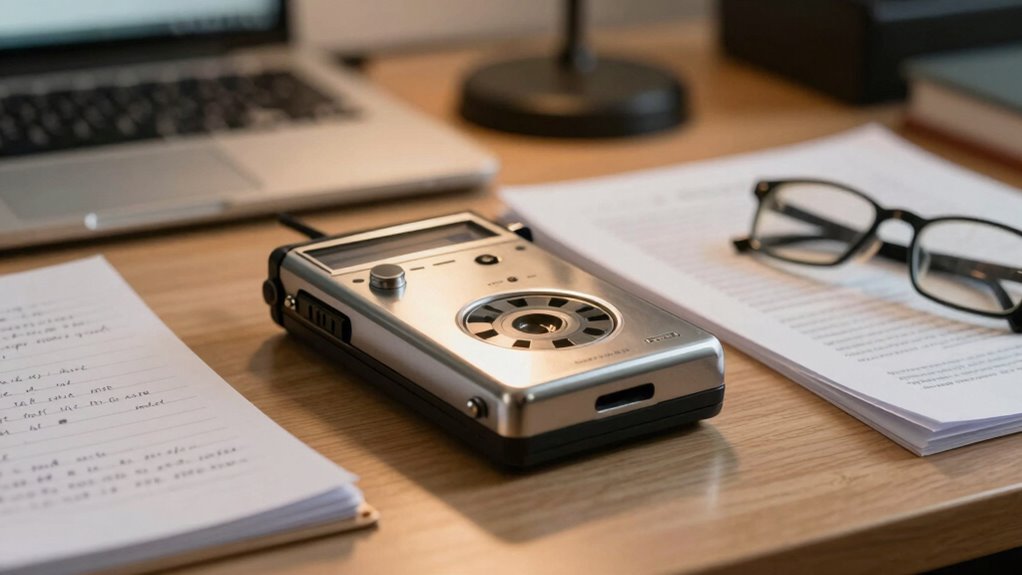

Many people overlook the complex legal rules around audio recording because they assume it’s simple and always permitted. You might not realize that laws differ based on where you are and whether you’re in public or private spaces. Often, consent requirements are missed, leading to potential legal problems or evidence being thrown out. If you want to avoid costly mistakes, it’s essential to understand these legal details—keep exploring to uncover the key points.

Get business pricing on garage and car supplies
- Business-only prices and quantity discounts
- Tax-exempt purchasing
- Multiple users, one account, clear invoices
Key Takeaways
- Many overlook the varying laws on consent, leading to unintentional legal violations.
- People often assume recording in public spaces is automatically legal without considering privacy laws.
- The importance of understanding jurisdiction-specific regulations about recording with or without consent is frequently underestimated.
- Ethical and legal boundaries around privacy expectations are commonly ignored in casual or secret recordings.
- Lack of awareness about legal consequences can cause individuals to miss critical details in lawful recording practices.
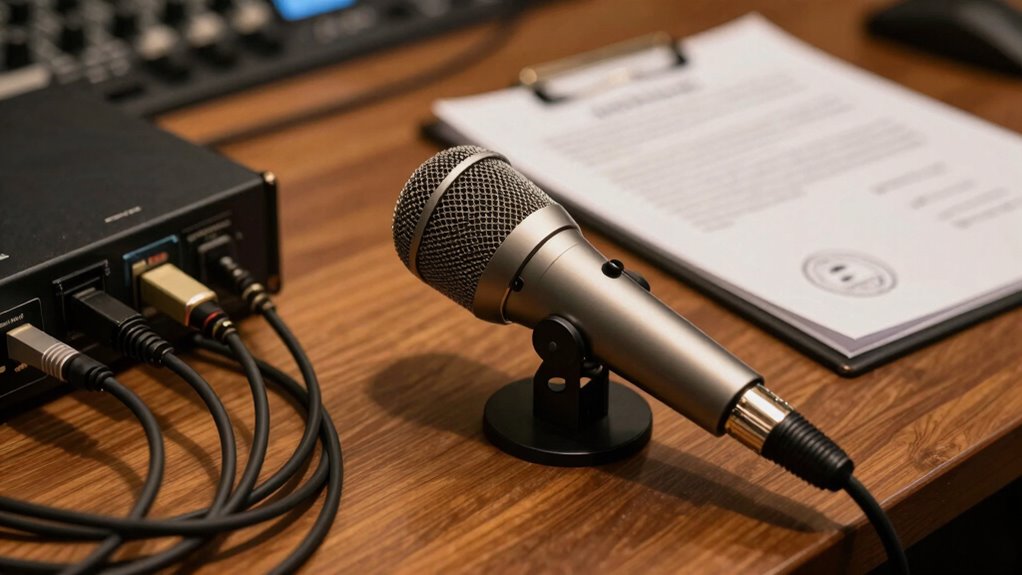
Have you ever wondered whether it’s legal to record a conversation? Many people overlook the significance of understanding the legal boundaries surrounding audio recording. The truth is, recording someone without their knowledge can lead to serious legal issues, especially if you ignore privacy concerns and consent requirements. It’s easy to assume that since you’re in a public space or even during a private conversation, recording is automatically acceptable. But that’s not always the case. Laws vary by jurisdiction, and what’s permissible in one state or country might be illegal in another.
One of the biggest reasons people miss this legal detail is because they focus solely on the act of recording itself, rather than the legal context. Privacy concerns are at the core of many laws governing audio recordings. If someone has a reasonable expectation of privacy—say, in their home or during a confidential business meeting—they generally need to give consent before being recorded. Failing to obtain this consent can turn your recording into a legal liability, even if your intentions are innocent. Courts often scrutinize whether the recording was made secretly or with the knowledge of all parties involved. Recognizing the importance of audio recording laws can help prevent unintentional violations. Additionally, understanding the legal nuances surrounding recording practices is crucial to avoid misunderstandings that could lead to legal consequences.
Focusing only on recording overlooks privacy laws; consent is crucial when there’s a reasonable expectation of privacy.
Understanding consent requirements is essential. In some places, only one party needs to be aware of the recording, meaning you can legally record a conversation if you’re part of it. Other jurisdictions, however, require all parties to be informed and agree to the recording beforehand. If you don’t adhere to these laws, you risk facing criminal charges, civil lawsuits, or having your recordings excluded as evidence in court. It’s also important to recognize that privacy laws are designed to protect individuals’ rights and control over their personal conversations. Being aware of legal consent obligations can help you navigate the complexities of lawful recording practices. Doing so not only shields you from legal trouble but also demonstrates ethical integrity. Remember, the legality of recording a conversation isn’t just about whether it’s technically possible—it’s about whether it’s lawful and respectful of others’ rights.
voice recorder with legal compliance
As an affiliate, we earn on qualifying purchases.
As an affiliate, we earn on qualifying purchases.
Frequently Asked Questions
Can I Record Someone Without Their Knowledge Legally?
You generally can’t record someone without their knowledge legally, as recording ethics and consent requirements vary by jurisdiction. In most places, you need at least one person’s consent (one-party consent), but some states require all parties’ approval (two-party consent). You should always check local laws before recording. Failing to do so can result in legal consequences, even if your intent is harmless. Respecting consent ensures you’re within legal boundaries and maintains ethical standards.
What Are the Privacy Laws Regarding Audio Recordings?
Did you know that over 85% of states require at least one person’s consent for legal audio recordings? Privacy laws vary, so you need to understand consent requirements before recording. Some states have recording exemptions for law enforcement or in public areas, but in most cases, you must obtain explicit consent to avoid legal trouble. Always check your local laws to make certain you’re complying with privacy regulations.
Are There Specific Industries With Stricter Recording Regulations?
Yes, certain industries have stricter recording regulations due to industry compliance and regulatory standards. For example, the healthcare sector must follow HIPAA, guaranteeing patient confidentiality during recordings. Financial services adhere to SEC and FINRA rules, requiring careful documentation. The telecommunications industry also faces strict regulations to protect consumer data. You need to understand these industry-specific compliance requirements to avoid legal issues and guarantee proper handling of audio recordings.
How Long Can Recordings Be Legally Stored?
A stitch in time saves nine, so knowing how long recordings can be stored is essential. Legally, recording duration and storage limitations vary by jurisdiction and industry, often ranging from a few months to several years. You should regularly review local laws and company policies to guarantee compliance. Keeping recordings longer than needed can lead to legal issues, so set clear timeframes for storage and proper disposal.
Does Recording Conversations Violate Wiretapping Laws?
Recording conversations can violate wiretapping laws if you don’t follow consent requirements. In most states, you need everyone’s permission, while some only require one-party consent. Exceptions exist for law enforcement or court orders. Always check your local laws before recording, as legal standards vary. Failing to meet consent rules can lead to criminal charges or civil lawsuits, so understanding these legal details helps you avoid unintentional violations.
audio recording device with privacy features
As an affiliate, we earn on qualifying purchases.
As an affiliate, we earn on qualifying purchases.
Conclusion
Remember, understanding the legal nuances of audio recording can save you from costly mistakes. Imagine you record a conversation with a coworker without their consent, thinking it’s harmless. If they discover it, you could face legal trouble for violating privacy laws. Always know your state’s recording laws and get consent when in doubt. Staying informed helps you protect yourself and avoid unintended legal pitfalls—because a simple oversight can have serious consequences.
lawful audio recorder for meetings
As an affiliate, we earn on qualifying purchases.
As an affiliate, we earn on qualifying purchases.
discreet recording device for conversations
As an affiliate, we earn on qualifying purchases.
As an affiliate, we earn on qualifying purchases.
Fall Picks
fall essentials
As an affiliate, we earn on qualifying purchases.