In Missouri, dash cams are generally legal if you install them properly and avoid obstructing your view. Mount the device behind the rearview mirror or low on the dashboard for safety and compliance. Audio recording is allowed with at least one-party consent, but private conversations should be handled carefully. To make sure footage is admissible in court, keep recordings unedited and properly stored, and follow privacy laws. If you keep exploring, you’ll discover how to maximize your dash cam’s benefits while staying within legal bounds.
Key Takeaways
- Dash cams are legal in Missouri; proper installation and unobstructed placement are essential to comply with state regulations.
- Mount dash cams behind the rearview mirror or on the dashboard to avoid obstructing the driver’s view.
- Missouri follows a one-party consent law, allowing audio recording if at least one party agrees; all-party consent is recommended for private conversations.
- Dash cam footage must be relevant, unedited, and properly stored for court admissibility, with attention to privacy and chain-of-custody protocols.
- Use clear notices or obtain consent when recording audio to respect privacy rights and avoid legal risks.
Legality of Dash Cams in Missouri
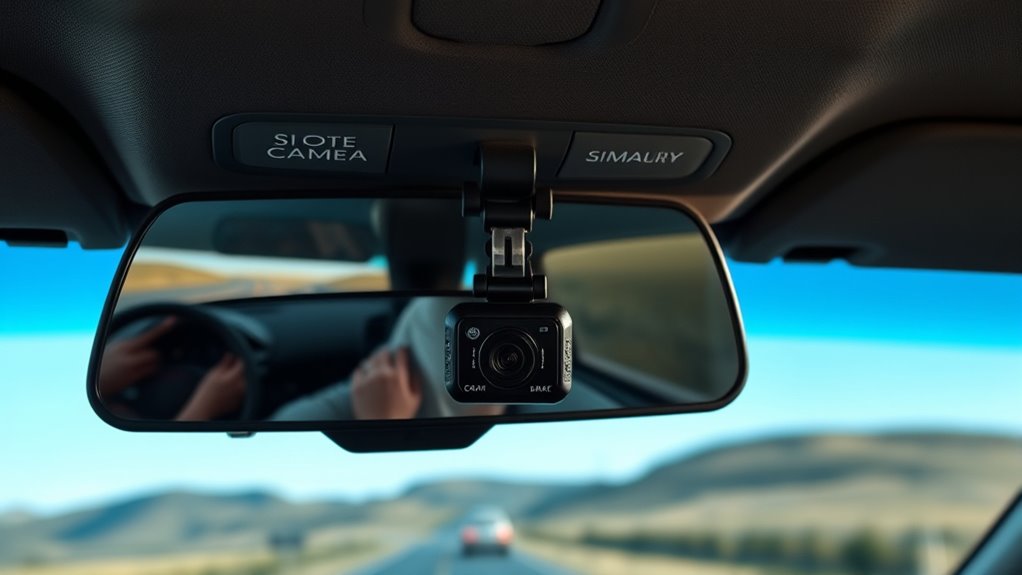
Are dash cams legal to use in Missouri? Yes, they’re legal for use and installation. Missouri doesn’t have any laws that explicitly prohibit or restrict dash cameras. State equipment and vehicle-safety laws generally apply, but no specific statutes address dash‑cam placement or operation. Court practice shows that dash-cam footage is routinely accepted in civil and criminal cases if it meets relevance and authentication requirements. Law enforcement agencies face no statewide ban on using dash cams, though individual policies and federal rules can regulate recordings. Since Missouri lacks specific placement laws, the general rule is to mount the device where it doesn’t obstruct your view. Industry experts recommend placing it behind the rearview mirror or on the dashboard to stay safe and compliant. Furthermore,, the absence of strict regulations means drivers have flexibility in how they install and utilize dash cams, as long as their view remains unobstructed. Additionally, understanding the privacy considerations associated with dash cam recordings can help ensure responsible use. Being aware of the recording laws can also assist drivers in avoiding potential legal issues related to audio and video recordings. Moreover, familiarity with state regulations can help drivers stay informed about any updates or changes in dash cam policies.
Optimal Placement for Safety and Compliance
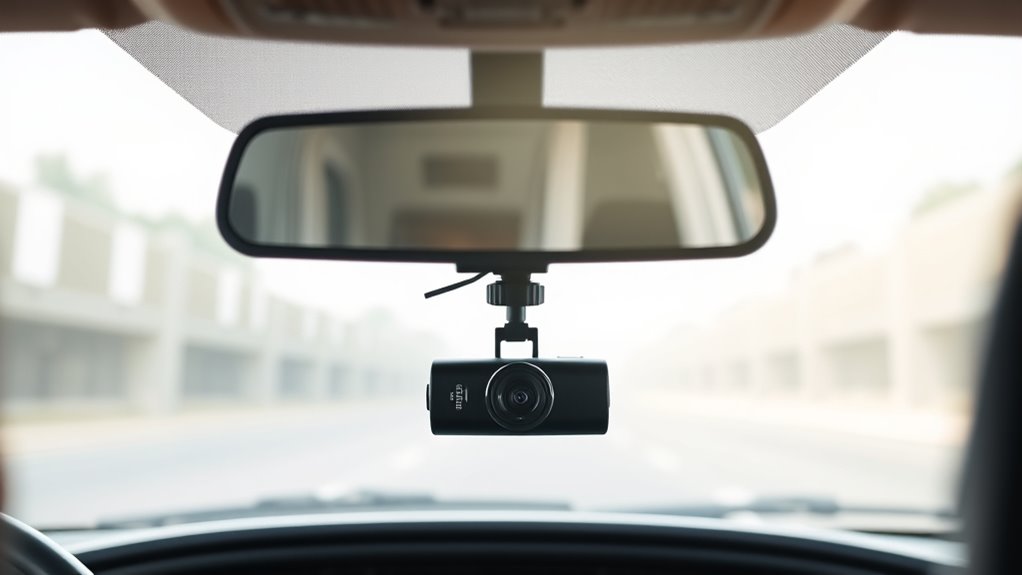
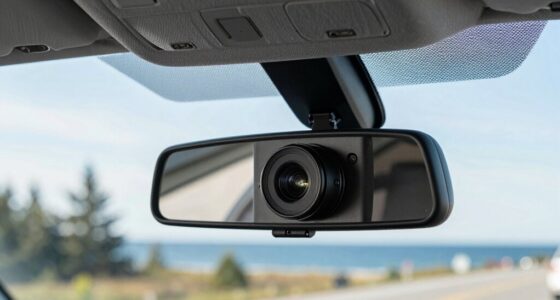
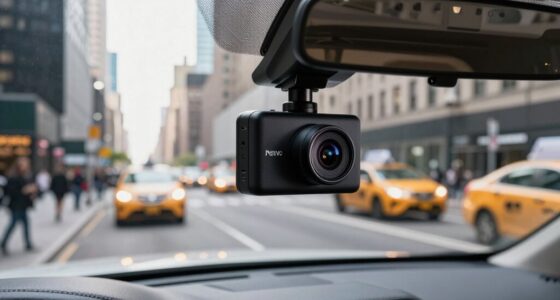
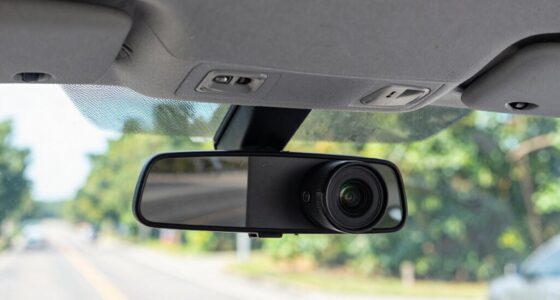
To guarantee safety and compliance, selecting the most suitable placement for your dash cam is essential. Position it directly behind the rearview mirror to minimize windshield obstruction and keep it within the central field of view for incident capture. A low-profile mount near the center of the dashboard reduces glare, reflection, and interference from windshield wipers, while maintaining clear driver sightlines. Alternatively, the lower passenger-side corner of the windshield can be effective, following state-specific guidelines for size. Mounting close to the headliner and mirror offers ideal forward coverage while keeping the device out of primary sightlines and airbag zones. Dual-camera setups—one behind the mirror and another discreetly inside—maximize coverage without cluttering the windshield or obstructing views. Dash cams are legal to install in all 50 states, but it’s important to ensure that the placement complies with specific state laws and guidelines. Proper placement also involves understanding navigation and mapping to ensure the device accurately records your route and incidents, especially if you use additional features such as GPS overlays or incident alerts. Additionally, considering field‑of‑view and imaging‑scale can help optimize the camera’s ability to capture important details during an incident. Ensuring your dash cam is mounted at the correct height and angle also plays a crucial role in achieving optimal video quality and clarity, which is vital for evidence purposes. Paying attention to paint sprayer zone considerations can help prevent damage to the device from environmental factors like dust or debris that might be present near the windshield area. Being mindful of environmental factors such as temperature fluctuations can also help maintain the device’s functionality and longevity.
Risks of Improper Mounting and Enforcement

Improper dash cam mounting can substantially increase your risk of legal trouble and enforcement actions. If your camera blocks your view, you could face citations, fines, or vehicle inspection issues. Missouri law considers equipment that impairs visibility a hazard, especially near the windshield and rearview mirror. Additionally, enforcement is inconsistent, so mounting in certain locations might lead to cross-jurisdictional citations, especially near state lines. Here are key risks to watch out for:
- Traffic citations for obstructed view, especially if your dash cam blocks essential sightlines.
- Fines due to non-compliance with state or local equipment standards, which vary by department.
- Legal challenges to footage admissibility if your camera’s placement compromised vehicle operation.
- Increased enforcement for egregious violations, such as large mounts or multiple devices that hinder visibility.
- Proper mounting practices are essential to avoid these issues, ensuring your dash cam remains within legal and safety standards.
- Failure to adhere to manufacturers’ guidelines can also result in equipment malfunction or voided warranties, further complicating compliance.
- Additional considerations include local regulations that may specify mounting height or size restrictions, which are critical to follow for avoiding penalties. For instance, some jurisdictions may have specific rules about the placement of devices to ensure they do not interfere with the driver’s view or vehicle safety systems. Moreover, understanding state-specific laws helps in maintaining compliance across different areas.
- Being aware of law enforcement practices regarding dash cam enforcement can help you prepare for potential citations or questions.
Audio Recording Laws and Privacy Considerations
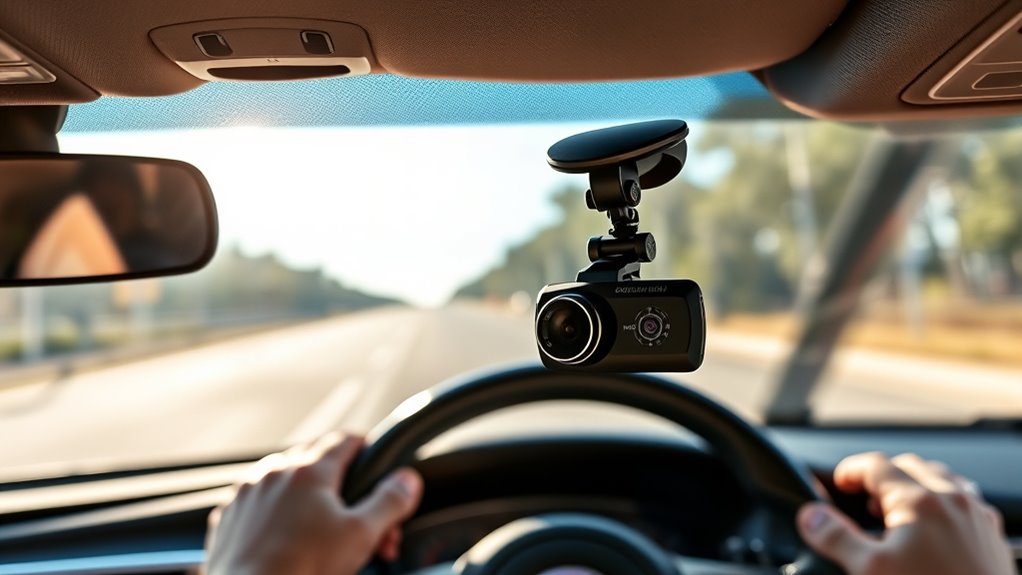
Because Missouri follows a one-party consent rule, your dash cam audio recording at least needs your own permission to be legal. Recording conversations in private spaces without consent could lead to legal risks, so it’s best to avoid audio capture indoors. To stay compliant, always guarantee you’re aware of privacy laws and use best practices like clear notices or obtaining consent before recording. Understanding state-specific audio recording laws and privacy expectations is crucial for compliant dash cam use. Additionally, some states have specific restrictions on audio recording, so understanding local laws helps ensure you remain within legal boundaries. Being familiar with audio recording laws and respecting privacy expectations is crucial for compliant dash cam use. It’s also advisable to stay updated on any privacy law changes that could affect recording practices. Furthermore, checking your state statutes regularly can help you stay informed about recent legal updates affecting dash cam usage. Monitoring legal updates ensures your recordings stay within lawful parameters.
Missouri Single-Party Rule
Missouri’s one-party consent law allows you to record conversations if at least one person involved agrees. This means you can legally record audio if you’re part of the conversation or have prior approval from one party. However, private in-person discussions generally require all-party consent due to privacy expectations. Public conversations or recordings in places without a reasonable expectation of privacy don’t need consent. Be cautious with recordings involving audio transmitted by radio devices, as Missouri law prohibits recording with such expectations of privacy. Violating these rules can lead to criminal penalties, including felonies or misdemeanors. Here are key points to contemplate:
- Recording with radio transmission devices may be illegal.
- All-party consent is recommended for private conversations.
- Public conversations often don’t require consent.
- Violations carry criminal penalties.
It is also important to note that the law may have specific nuances regarding electronic communications and hidden cameras, so consulting legal guidance is advisable. Additionally, understanding the privacy expectations in various contexts is crucial to ensure compliance with state regulations.
Recording Privacy Risks
Understanding the privacy risks associated with audio recordings is essential when operating a dash cam in Missouri. Since Missouri follows a one-party consent rule, only one person involved in a conversation needs to give permission for audio recording. As the driver, your consent covers recording conversations inside your vehicle, especially on public roads where no privacy is expected. However, recording in private spaces like homes, bathrooms, or private vehicles without consent can lead to lawsuits, criminal charges, or evidence being inadmissible in court. Tampering with footage or recording in areas with privacy expectations increases legal risks. Be aware that public space recordings are generally legal without permission, but capturing audio in private areas without consent can violate privacy laws and result in penalties. Additionally, understanding Floating on Water can help inform appropriate use of dash cams around bodies of water and private property. It’s also important to be aware of audio recording laws to ensure compliance and avoid legal complications. Knowing privacy expectations in different settings can further help prevent unintentional legal violations when using dash cams.
Best Recording Practices
When operating a dash cam in Missouri, following best practices for audio recording helps you stay within legal boundaries and respect privacy rights. To do this effectively, consider these key points:
- Always obtain consent from at least one party involved in conversations you record, as Missouri follows the one-party consent rule.
- Inform passengers about active audio recording through verbal notices or visible signs to prevent disputes.
- Disable audio recording if you cannot get consent from everyone involved, especially in private spaces.
- Retain unedited, raw footage to ensure authenticity and admissibility in legal or insurance matters.
- Remember that audio recording laws in Missouri apply equally to video recordings with sound, emphasizing the importance of proper consent.
- Being aware of privacy laws helps prevent potential legal issues related to recording conversations without proper authorization.
- Understanding recording technology ensures you use your dash cam effectively while maintaining compliance with Missouri laws.
- Familiarity with wiretapping laws can further help you avoid inadvertently violating regulations related to recording communications.
- Additionally, understanding public recording guidelines can help you avoid privacy violations when capturing footage in public spaces. Staying informed about privacy rights can also assist in navigating complex legal situations related to surveillance.
Admissibility of Dash-Cam Footage in Court
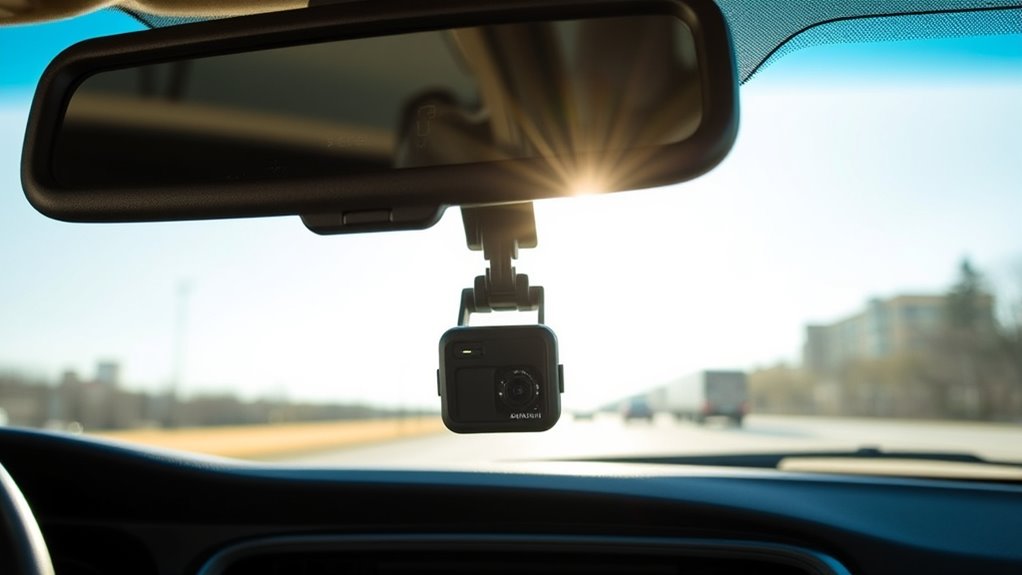
Dash-cam footage can be powerful evidence in court, but its admissibility depends on meeting specific criteria. First, the footage must be relevant, authentic, and clear. It should directly pertain to the crash, captured on public roads or parking lots, and show events unfolding to aid the judge or jury. Poor-quality or unclear videos may be excluded, especially if they can’t be easily understood without narration. You’ll need to prove the footage is unedited and untampered, often through witness testimony or other evidence, to verify it. Be aware that the court may reject footage if it shows unrelated driving or hours of prior safe driving. Proper preservation and prompt sharing with your attorney help ensure your dashcam footage can be effectively used as evidence in your case. Additionally, understanding the privacy implications and ensuring the footage does not violate local laws can influence its acceptance.
Handling Privacy and Third-Party Recordings
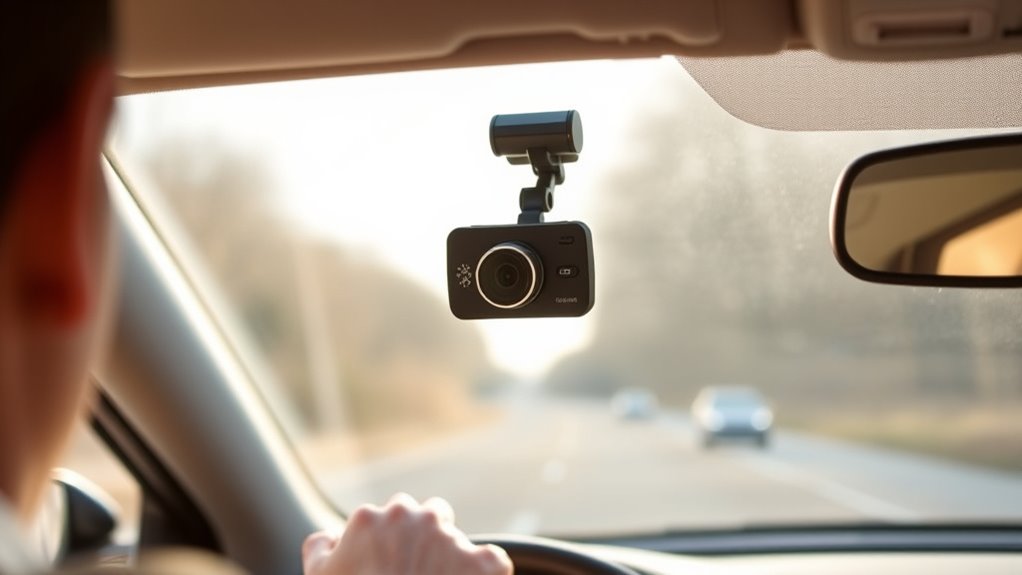
Handling privacy concerns and third-party recordings involves steering Missouri’s legal framework, which balances the interests of recording parties with individuals’ right to privacy. You need to understand that courts can restrict or order disclosure of mobile videos based on privacy expectations, potential humiliation, or harm. When recording in nonpublic locations, access is limited, and third parties or their guardians can seek legal remedies. To protect privacy, courts may order redactions or limit viewing. Additionally, you must avoid further sharing recordings of nonpublic areas without notice to those depicted. Courts may also consider the potential harm or humiliation that could result from public disclosure of videos.
Best Practices for Dash Cam Use and Evidence Preservation
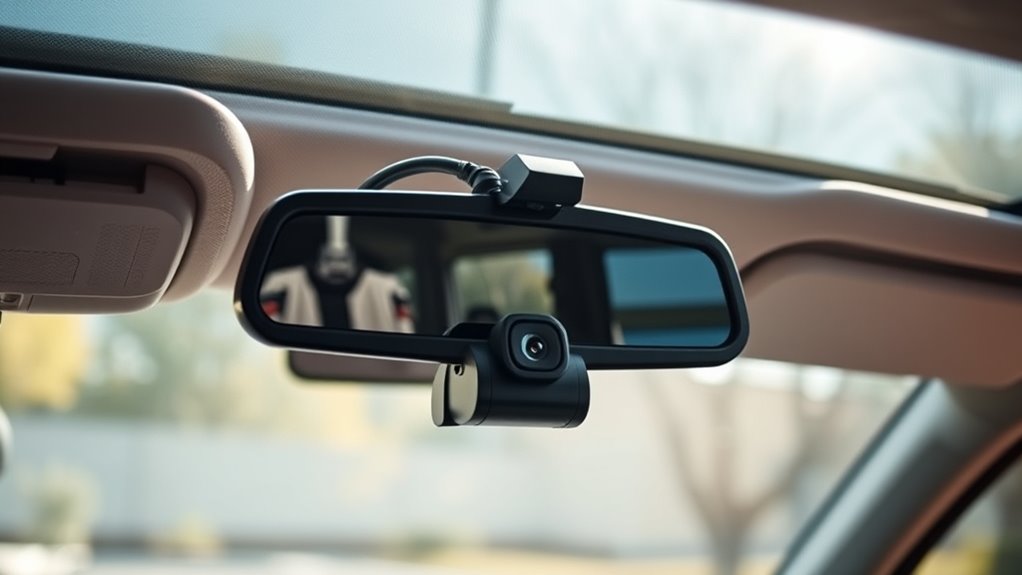
To guarantee your dash cam evidence holds up in court, you must follow best practices for collection, preservation, and documentation. Start by recording GPS timestamps and syncing your device clock to match official time sources. Export files in their original formats—avoid lossy re-encoding—and keep the SD card or storage device as physical evidence. Document every person who accesses, copies, or transfers footage, noting dates, times, and purposes to establish a clear chain of custody. Use write-blocking or create forensic disk images when transferring files to prevent modifications. Store original media in labeled, tamper-evident containers and keep checksum or hash values to verify integrity. Regularly verify camera alignment and record test footage to ensure ongoing reliability.
Tips for Commercial Fleets and Multi-Driver Vehicles
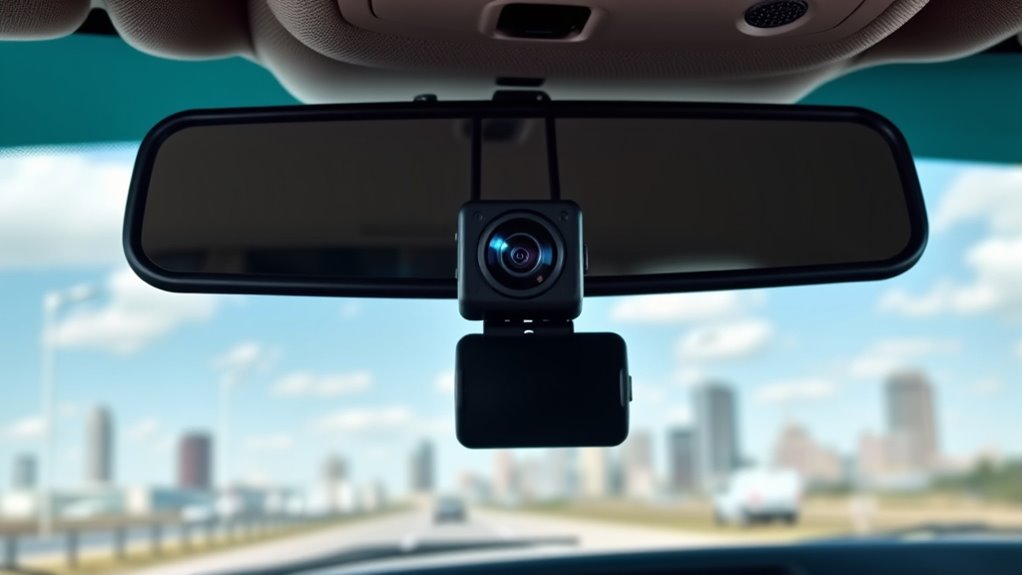
In Missouri, commercial fleets can legally use dash cams without many restrictions, making them valuable tools for monitoring driver behavior and protecting your business. To maximize benefits and stay compliant, consider these tips:
- Mount cameras behind the rearview mirror to minimize visibility obstruction.
- Keep the camera’s size within the recommended 5-inch square on the driver’s side.
- Use dashboard mounting as an alternative for better flexibility.
- Ensure the camera doesn’t impair your view of the highway, respecting equipment laws.
For multi-driver vehicles, notify drivers of recording via signage or policies, and remember that driver-facing video is legal without all-party consent. Proper installation and clear communication are key to effective fleet management.
Frequently Asked Questions
Can I Legally Record Audio Inside My Vehicle Without Others’ Consent in Missouri?
Yes, you can legally record audio inside your vehicle without others’ consent in Missouri because it’s a one-party consent state. Since you’re a participant in the conversation, you’re allowed to record. Just guarantee you’re actively involved in the discussion, and avoid recording private spaces like homes. Remember, mounting shouldn’t obstruct more than five inches on your side, and tampering with footage could impact its admissibility in court.
Are There Specific Size Restrictions for Dash Cam Placement on Missouri Windshields?
Think of your dash cam like a good neighbor—visible but not intrusive. Missouri law doesn’t specify exact size limits, but to stay safe, keep your camera within a 5-inch square on the driver’s side or place it on the dashboard. Mount it low and outside your main sightlines, similar to avoiding a nosy neighbor’s view. This way, you’re less likely to run afoul of obstruction rules and keep your view clear.
What Are the Consequences of Mounting a Dash Cam That Obstructs My View?
If you mount a dash cam that obstructs your view, you risk getting pulled over and receiving a ticket for equipment violation. Law enforcement may cite you for obstructing your view if it hampers safety or visibility, leading to fines that typically range from $50 to $200. Repeated offenses could also add points to your driving record, so it’s best to position your dash cam carefully behind the mirror or on the dashboard.
How Should I Handle Dash-Cam Footage That Captures Private Conversations or Bystanders?
Did you know that recording private conversations without consent can lead to serious legal penalties? When handling dash-cam footage, always review whether private conversations or bystanders were captured. If private chats are recorded, get permission from all parties before keeping or sharing the footage. For bystanders, avoid capturing sensitive information or private property, and post notices if only video is recorded. Discretion helps you stay within legal boundaries and protects everyone’s privacy.
Do Insurance Companies Require Specific Dash Camera Data Formats or Metadata Preservation?
Insurance companies don’t require specific dash camera data formats or metadata preservation. They accept standard video files that are relevant, authentic, and clear. You should guarantee your footage remains unaltered, as tampering can make it inadmissible in court. Keep your original files intact and preserve the metadata to verify authenticity if needed. Properly stored, your dash cam footage can effectively support your claim without worrying about specific technical requirements.
Conclusion
Navigating Missouri’s dash cam laws is like steering through a well-marked road—clear, safe, and confident. By mounting your camera correctly, respecting privacy boundaries, and understanding court rules, you keep your journey smooth and secure. Think of your dash cam as a vigilant guardian, capturing every twist and turn. When you follow these best practices, you’re not just recording drives; you’re creating a trail of trust, ready to stand firm in any courtroom traffic jam.