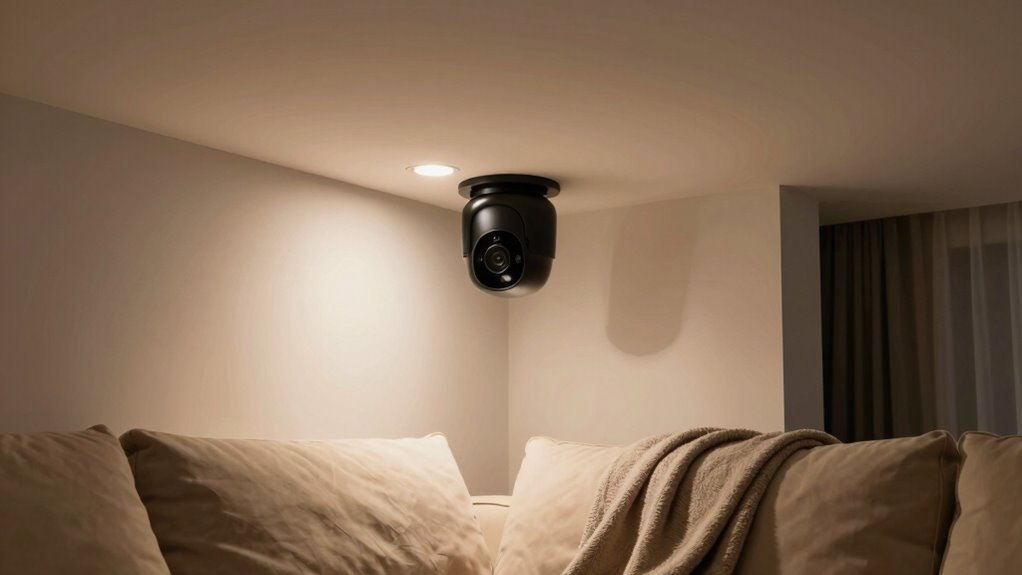

Interior cameras can boost your home security by allowing you to monitor who enters and exits, but they also pose privacy risks if data isn’t properly protected. You need to be aware that footage could be vulnerable to hacking, and private moments might be unintentionally captured in sensitive areas. Strong encryption and informed consent help protect your data, but understanding privacy policies is essential. Keep exploring to learn how you can balance safety with your privacy concerns effectively.

Get business pricing on garage and car supplies
- Business-only prices and quantity discounts
- Tax-exempt purchasing
- Multiple users, one account, clear invoices
Key Takeaways
- Interior cameras enhance security but pose privacy risks if footage is mishandled or vulnerable to hacking.
- Strong data encryption is essential to protect footage during transmission and storage.
- User consent clarifies data collection practices and empowers control over who accesses recorded footage.
- Thoughtful camera placement helps prevent capturing private moments and invading personal spaces.
- Balancing security and privacy involves prioritizing encryption, informed consent, and transparent privacy policies.
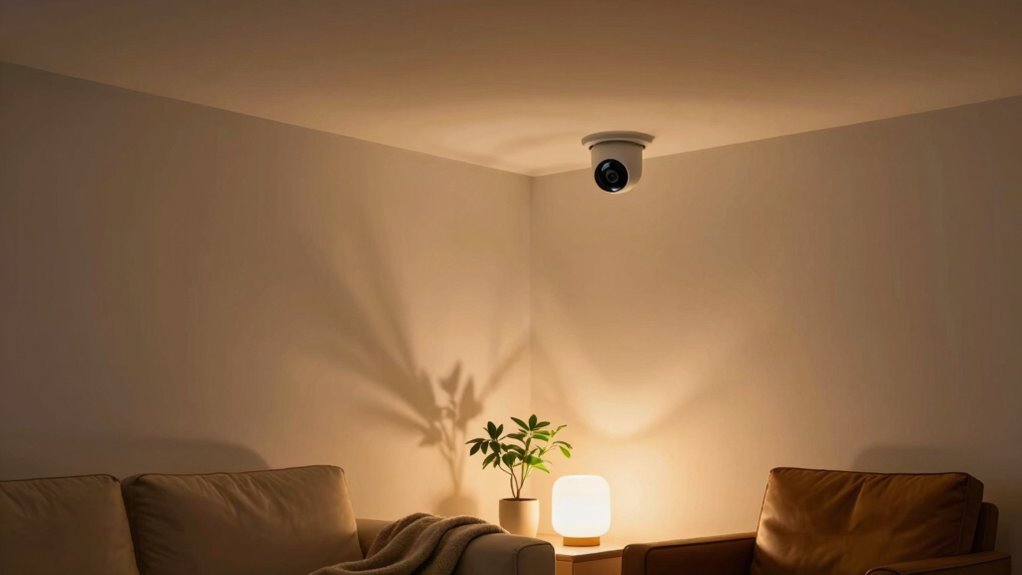
As more homes adopt interior cameras for security and monitoring, you’re faced with an important tradeoff: increased safety versus the loss of privacy. While these devices help you keep an eye on your home and loved ones, they also collect sensitive footage that, if mishandled, can compromise your privacy. Understanding the tradeoff means recognizing the importance of data encryption and user consent. When manufacturers implement strong data encryption, your footage stays protected during transmission and storage, preventing unauthorized access. Encryption acts like a digital lock, ensuring only you or trusted parties can view the recordings. Without it, your private moments could be vulnerable to hacking or data breaches, turning your security measure into a privacy risk.
Balancing home security with privacy requires strong encryption and informed user consent.
Equally vital is user consent. Reputable camera providers require you to agree to their terms before installing and using their devices. This process should clearly explain what data is collected, how it’s used, and who has access. By giving informed consent, you’re actively participating in safeguarding your privacy. You’re able to decide whether to allow the camera company to store footage in the cloud, share data with third parties, or retain recordings for a specific period. Without clear user consent, you might unwittingly agree to data collection practices that expose your private life to unnecessary risks. Having control over your data means you can set boundaries and make informed choices about your home security.
However, even with encryption and user consent, some privacy concerns remain. Cameras can inadvertently capture private moments in bedrooms, bathrooms, or other sensitive areas. It’s crucial to position cameras thoughtfully, avoiding locations that could invade personal privacy. Additionally, understanding the privacy policy of your camera provider helps you know what protections are in place and what vulnerabilities might exist. Transparency from companies about their data handling practices builds trust and allows you to make better decisions. Recognizing the importance of data handling practices can further help you assess the safety of your device and its compliance with privacy standards. Moreover, being aware of privacy standards can guide you in choosing devices that prioritize user confidentiality. Being informed about encryption and data security can empower you to select cameras that meet high privacy protections. Familiarizing yourself with privacy policies also helps you identify potential gaps in data protection.
In the end, the tradeoff isn’t just about whether you want security or privacy—it’s about balancing both. You need to prioritize strong data encryption to protect your footage from cyber threats and ensure that you give informed consent to control how your data is used. By doing so, you can enjoy the benefits of interior cameras while minimizing the risks to your privacy. This way, you take an active role in protecting your home and personal space, making security a shared responsibility.
interior security camera with encryption
As an affiliate, we earn on qualifying purchases.
As an affiliate, we earn on qualifying purchases.
Frequently Asked Questions
How Secure Are Interior Camera Recordings From Hacking?
Interior camera recordings can be fairly secure if strong encryption protocols protect the data and you control user access. Manufacturers that use end-to-end encryption make it harder for hackers to intercept footage. However, if you don’t update firmware regularly or share passwords, vulnerabilities can arise. You’re responsible for maintaining security by choosing reputable brands, enabling multi-factor authentication, and monitoring access logs to minimize the risk of hacking.
Can Interior Cameras Detect Movement Without Recording Footage?
Yes, many interior cameras can detect movement without recording footage, thanks to motion detection features. These cameras typically alert you when movement is sensed, helping you stay aware without constant recording. However, this functionality raises privacy concerns since some models might still store or transmit data, even if they don’t record continuously. Always review your camera’s settings and privacy policies to guarantee your comfort with how your data is handled.
Do Interior Cameras Store Data Locally or in the Cloud?
Think of interior cameras as guardians, safeguarding your privacy with a twist. They typically store data either locally on a secure device or in the cloud. Data encryption guarantees your footage stays private, even if stored remotely. User access controls let you decide who sees what, giving you peace of mind. Whether local or cloud storage, strong encryption and strict access management are your best defenses against breaches.
Are Interior Cameras Compliant With Privacy Laws?
Interior cameras can be compliant with privacy laws if they follow proper privacy policies and obtain user consent. You should review the manufacturer’s privacy policies to understand data collection and storage practices. Ensuring you’re informed and give explicit consent helps maintain compliance. Keep in mind that laws vary by location, so staying updated on local regulations is essential. Always prioritize transparency to protect your privacy rights when installing or using interior cameras.
What Are Best Practices for Securing Interior Camera Footage?
To keep your interior camera footage safe, you should prioritize secure camera placement and strict user access controls. Use strong, unique passwords and enable two-factor authentication to prevent unauthorized access. Regularly update your device firmware and review access logs to detect suspicious activity. Limit user permissions to only those who need it, and consider encrypting your footage to add an extra layer of protection, ensuring your privacy stays intact.
privacy-focused home security camera
As an affiliate, we earn on qualifying purchases.
As an affiliate, we earn on qualifying purchases.
Conclusion
Ultimately, the decision to install interior cameras demands careful consideration of comfort versus compromise. While they can provide peace of mind and protect your property, they also pose privacy pitfalls and potential pitfalls. You must weigh the benefits of surveillance against the breach of personal boundaries. By understanding the privacy tradeoff and setting strict boundaries, you can strike a smart balance—safeguarding security without sacrificing your sense of sanctuary. Stay savvy, stay safe, and select what suits your space best.
interior camera with user consent features
As an affiliate, we earn on qualifying purchases.
As an affiliate, we earn on qualifying purchases.
home security camera privacy protection
As an affiliate, we earn on qualifying purchases.
As an affiliate, we earn on qualifying purchases.
Fall Picks
fall essentials
As an affiliate, we earn on qualifying purchases.