
In most states, you can record audio in your car if you’re a participant, thanks to one-party consent laws that let you record conversations you’re involved in without informing others. However, laws vary—some states require all-party consent, especially for in-car recordings. If you’re crossing state lines or dealing with sensitive situations, legal risks increase. To stay compliant, it’s important to understand these differences and how they apply to your situation—more insights await if you keep exploring.
Key Takeaways
- Most states follow one-party consent laws, meaning only the recording party needs to know they are recording in a vehicle.
- Recording conversations in a car is legal if you are a participant; recording others without consent may violate privacy laws.
- State laws vary: some require all-party consent, especially in in-person conversations, while others only need one-party consent.
- Federal law permits one-party consent recordings but can be overridden by stricter state regulations.
- Crossing state lines requires awareness of different laws to ensure your recording remains legal.
Understanding One-Party Consent Basics
Understanding one-party consent is essential if you plan to record private conversations legally. This rule means you can record a conversation if you’re a participant, without informing the other parties. It applies to in-person chats, phone calls, or electronic messages. Only your consent is needed; others don’t have to know the recording is happening. Most U.S. states and federal law follow this standard, making it legal to document business disputes or personal matters when you’re involved. However, it’s important to remember that the law varies by jurisdiction. Some states require all parties to agree before recording, but in most cases, if you’re part of the conversation, you can record it lawfully. This rule is based on the legal principle that a participant’s involvement grants lawful permission to record. Additionally, understanding the privacy laws that govern your specific location can help prevent legal complications. Always check local laws to ensure compliance, as unauthorized recordings can lead to legal penalties. Being aware of audio laws in your state can also help you navigate the nuances of recording regulations effectively. Furthermore, considering audio quality and environmental factors like wave and wind can influence the clarity and legality of recordings, especially in mobile environments.
How State Laws Differ on In-Car Recordings

Have you ever wondered how your state’s laws affect in-car recordings? Laws vary considerably across the country. In some states like Indiana, Iowa, Kentucky, and Louisiana, only one person’s consent is needed to record audio, making it easier for drivers and passengers to record conversations. In contrast, all-party consent states such as California, Illinois, Maine, Maryland, and Pennsylvania require everyone involved to agree before recording. Other states, like Nebraska, Nevada, Rhode Island, South Carolina, and Wisconsin, follow one-party consent rules, but with some exceptions. Federal law generally permits one-party consent, but stricter state laws, especially in California, override federal rules. These differences can impact your privacy and legality when recording in your vehicle. Understanding these variations is essential to ensure compliance and avoid potential legal issues. Additionally, being aware of digital literacy and how it influences online privacy can help you navigate recording laws more effectively and responsibly, especially in an age where privacy rights are increasingly complex.
When Is Audio Recording in Vehicles Permissible?

When considering whether you can legally record audio inside your vehicle, it’s important to recognize the difference between federal guidelines and state-specific laws. Federal law generally allows a participant in a conversation to record it without issue, especially for interstate communications, unless a state law requires all-party consent. Many states treat in-car conversations as private, especially when windows are up and doors are closed, making recording without consent illegal. Passenger conversations are more likely to be protected than those overheard from outside. To stay compliant, giving explicit notice or obtaining affirmative consent from all occupants is safest. Using visual indicators, like stickers or dashcam alerts, can help demonstrate consent, but always consider the strictest applicable law to avoid legal risks. Additionally, audio recording laws vary significantly depending on jurisdiction and specific circumstances, so consulting local regulations is advisable. Being aware of one-party consent laws in your area can help you determine when recording is legally permissible without additional notice. Understanding privacy laws related to in-car recordings can provide further guidance on what is legally acceptable. Moreover, understanding the distinction between federal and state-specific laws is crucial for legal compliance in different areas. Awareness of compliance requirements can help prevent inadvertent violations and legal disputes.
The Role of Participant Participation in Consent

In the context of audio recordings in vehicles, your participation as a recording party automatically counts as giving consent, especially in states that follow the one-party consent rule. When you start recording, you’re effectively providing your own consent, so there’s no need to notify others. This applies to drivers using dash cams or recording conversations inside the car. Your involvement means you’re legally allowed to record your own side of the conversation without informing passengers. It’s also common for parents to give vicarious consent for their children’s welfare. Keep in mind, however, that recording becomes illegal if someone who isn’t participating intercepts the conversation or if there’s an expectation of privacy in private settings. Always consider your state’s specific laws to stay compliant. Legal implications can vary depending on the circumstances and local statutes, and understanding participant participation is essential for ensuring lawful recordings. Additionally, awareness of leakage of recordings is important to prevent unintentional privacy breaches. Being aware of audio privacy laws helps ensure you stay within legal boundaries during recording activities. For example, monitoring credit card data security measures can help protect sensitive information from unauthorized access. Knowing about Gold IRA markets can also be useful if you are considering financial planning options related to your assets.
Specific Rules in All-Party Consent States

In all-party consent states, recording conversations requires the agreement of every participant involved. This means you can’t legally record a private conversation without everyone’s permission. The rules often distinguish between types of communication, like in-person or phone calls. Some states treat these categories differently, so you need to know the specific law. Here’s a quick overview:
| State | Consent Requirement |
|---|---|
| California | All-party consent required for all types |
| Florida | All-party consent required for oral calls |
| Illinois | All-party consent for phone and in-person |
| Maryland | All-party consent for electronic chats |
Violating these laws can lead to criminal or civil penalties, depending on the context. Legal consequences always verify the law based on location before recording. Additionally, understanding the types of communication can help determine the applicable rules and avoid potential legal issues.
Being aware of state-specific laws is crucial to ensure compliance with local regulations when recording conversations.
Recording Scenarios: Accidents and Emergencies
Recording scenarios involving accidents and emergencies often hinge on the legal consent required at the time. If you’re involved, your dashcam can capture critical evidence, but laws vary. Remember:
- Video-only recordings are legal everywhere, but audio recordings need one-party consent in most states.
- In states like Michigan, if you’re involved in an emergency conversation, recording it is usually legal, but third-party recordings without consent may violate laws.
- During emergencies, shouting or aggressive movements can be recorded without consent if you’re a participant, but overhearing or recording third-party conversations may be illegal.
- Legal requirements for recording audio vary by state, so understanding local laws is essential to avoid inadvertent violations. Your dashcam can provide valuable proof of fault or innocence, especially in disputes. Knowing the audio recording laws helps you record confidently without risking violations, particularly when considering the varied regulations across different jurisdictions. Additionally, being aware of the Rhythm Failure legal landscape can help you navigate complex situations involving audio recordings. Moreover, understanding SSD organization tips for audio production can assist in managing evidence files efficiently, ensuring quick access when needed. Being familiar with audio law compliance is crucial for ensuring that recordings are admissible and legally sound.
Legal Risks of Recording Without Consent
Are you aware of the serious legal risks that come with recording without consent? If you record someone without their permission, you could face criminal charges, which vary by state. Penalties may include hefty fines or even prison time, especially if aggravating factors are involved. Civil lawsuits are also common, with victims seeking damages for invasion of privacy or emotional distress, and courts may award punitive damages if your conduct is malicious. Evidence obtained unlawfully can be excluded from court proceedings, reducing its usefulness. Additionally, crossing state lines complicates matters, as different laws apply, increasing the risk of violating stricter regulations. Prosecutors and civil plaintiffs can pursue multiple claims, making non‑consensual recordings a costly legal gamble. Understanding the variations in state laws is crucial to avoid unintentional legal violations. It’s essential to recognize that audio laws are often rooted in privacy rights and can be complex to navigate. Moreover, electric bike regulations can vary by jurisdiction, affecting how and where you can record or use audio devices legally. A recording laws overview shows that some states require only one-party consent, while others mandate mutual agreement before recording. Failing to understand these distinctions can result in unintended legal consequences, emphasizing the importance of legal compliance when dealing with audio recordings. Being aware of recording consent laws helps protect you from potential legal pitfalls and ensures you stay within the boundaries of the law.
How Interstate Lines Affect Recording Laws
When you cross state lines with a dash cam or recording device, you must be aware that different states have varying laws regarding audio consent. If you’re recording across multiple states, the strictest law applies—often requiring all parties to consent. This is especially important because interstate recording laws can be complex and are influenced by state-specific regulations. It means:
- In two-party consent states like California or Illinois, everyone involved must agree to be recorded.
- In one-party consent states such as Texas or New York, only one person’s consent is needed.
- Interstate calls or recordings follow the strictest law among the involved states, so defaults often lean toward all-party consent to avoid violations.
Staying compliant means understanding these rules and providing notice when crossing borders. Different states have different requirements for audio recording, and failing to comply with these laws can lead to legal complications, especially during long interstate trips or fleet operations.
The Impact of Federal Regulations on Car Recordings
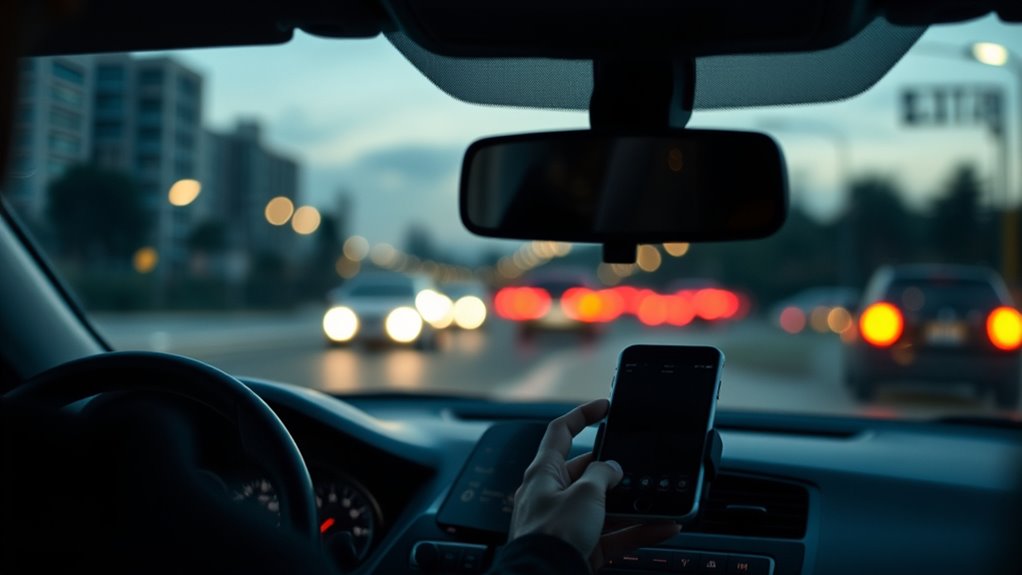
Crossing state lines with a dash cam or in-car recording device introduces complex legal considerations that go beyond state-specific laws. Federal regulations, like the Wiretap Act, prohibit intercepting oral communications but allow recordings with one-party consent, setting baseline standards. However, federal law doesn’t explicitly authorize automakers to record in-vehicle conversations, and courts often analyze federal and state laws together, leading to mixed rulings. Federal agencies focus on safety features, such as vehicle sounds and crash data, not occupant conversations. Event Data Recorders (EDRs), regulated by federal rules, don’t capture voice data, emphasizing vehicle dynamics instead. Since no extensive federal law preempts state laws, you must consider both federal minimums and stricter state statutes to ensure compliance when recording in vehicles across state lines. The federal legal framework varies depending on the type of recording and its purpose, adding another layer of complexity for consumers and manufacturers alike.
Sharing and Using Recorded Audio Legally
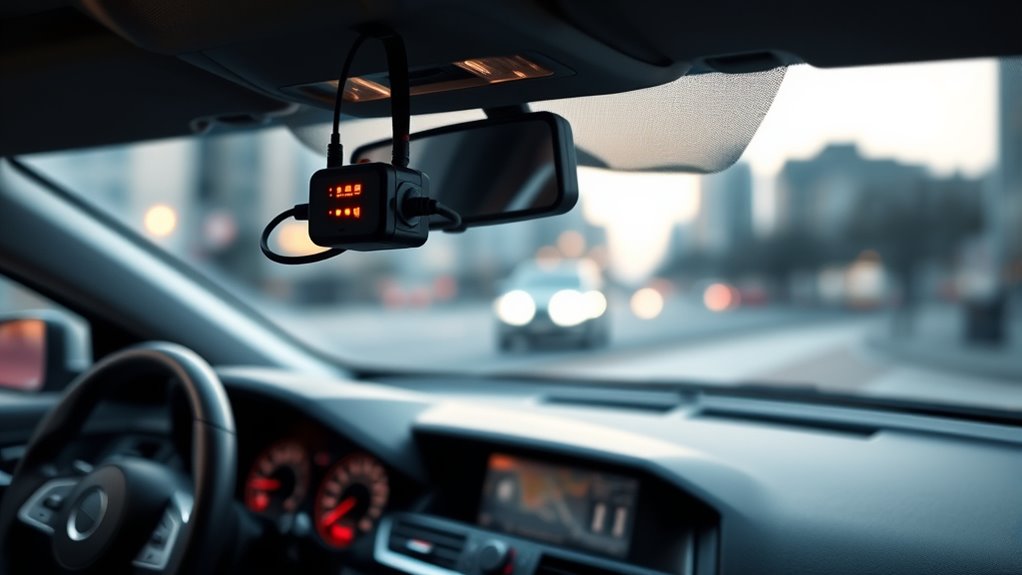
Sharing recorded audio legally requires understanding the restrictions imposed by laws such as California’s all-party consent rule. Using recordings without proper permissions can lead to civil and criminal penalties, so understanding restrictions is essential. Privacy considerations also play a big role, so make sure you’re compliant before sharing or using any recorded conversations. Knowing the laws about consent helps you avoid potential legal issues when sharing or utilizing recorded audio.
Permissible Sharing Limits
Legal sharing of in-car audio recordings depends on strict adherence to consent laws and applicable evidence rules. You can share recordings with law enforcement, provided your recording complies with consent laws and maintains proper chain of custody. You may also give copies to your personal lawyer for legal or insurance matters, and submit recordings to insurers for claims when made lawfully. Additionally, sharing with news organizations or journalists is permitted if the recording was lawfully obtained, but publication is still subject to privacy and defamation limits. Understanding the legal boundaries helps prevent potential legal issues. Be aware of limits on redistribution and profit: – Selling or licensing recordings often requires additional consent. – Posting recordings online can lead to civil claims, even if lawfully recorded. – Using recordings in advertising needs explicit permission.
Legal Use Restrictions
Even if you’ve obtained in-car recordings lawfully, there are strict limits on how you can share and use that audio. Sharing or distributing recordings unlawfully can lead to criminal charges, civil damages, or both, especially if the recording violates federal or state laws. Using recordings for commercial purposes, advertising, or public dissemination often requires additional permissions or releases from those recorded. Violating privacy protections, such as disclosing private facts, can also trigger legal action. Additionally, third-party platforms may restrict hosting or monetizing recordings without proof of lawful consent. Even lawful recordings aren’t free from restrictions—using them in ways that invade privacy or breach contractual agreements can result in liability. Many states have specific laws governing the use of recorded audio in different contexts. Always verify your intended use complies with applicable laws to avoid serious legal consequences.
Privacy Considerations
Sharing and using recorded audio from your vehicle requires careful attention to privacy laws to avoid legal pitfalls. You must consider how and when recordings can be shared, especially in different jurisdictions. For example:
- Legally obtained recordings can be shared in one-party consent states without extra permission, but profiting from someone’s recording without consent is prohibited.
- Federal laws like the Video Privacy Protection Act demand informed written consent before sharing personally identifiable video information.
- Privacy expectations vary for passengers, particularly when they’re unaware of recording or when sensitive conversations occur, especially in private areas like bedrooms or restrooms.
- Recording audio inside the vehicle may be subject to specific regulations that limit or regulate its use, depending on local laws. Additionally, vehicle operators need to notify passengers about audio recording, protect recordings from hacking, and understand jurisdictional variations that might restrict or regulate recordings.
Frequently Asked Questions
Can I Record a Police Officer During a Traffic Stop?
Yes, you can record a police officer during a traffic stop if you’re in a public space and not interfering with their duties. Federal law and most state laws support your right to record police in public. However, avoid obstructing or creating safety hazards, and be aware that police might ask you to move or stop recording. Staying respectful and cautious helps protect your rights and safety during the process.
Is It Legal to Record a Passenger Without Their Consent?
Did you know that over 80% of states require all-party consent for recording? You can record a passenger without their consent if you’re in a state with one-party consent laws, meaning only one person involved needs to agree. However, in two-party or all-party consent states like California, you must get everyone’s permission. Always check your state’s laws first, and when in doubt, ask for consent to avoid legal trouble.
How Do Federal Laws Override State Recording Regulations?
Federal laws generally set a baseline that allows recording if one person involved consents, but they don’t automatically override stricter state laws. If you’re in a state requiring all-party consent, those rules take precedence, especially for private communications within that state. When recordings cross state lines, courts often enforce the strictest law, meaning federal rules won’t override state protections, and you must follow the stricter consent requirement.
Are Dashcam Audio Recordings Admissible in Court?
Imagine your dashcam as a silent witness, recording every detail of your drive. Yes, audio recordings from dashcams are generally admissible in court, especially if they meet criteria like relevance, authentication, and clarity. But, you must follow specific state laws on consent, and verify the recordings are properly stored and disclosed. When in doubt, consult with an attorney to navigate the legal landscape and strengthen your case.
What Are the Penalties for Illegal In-Car Audio Recording?
If you illegally record in-car audio, you could face serious penalties, including felony charges, fines, and imprisonment. Many states treat unlawful recording as a felony, with potential jail time ranging from months to years, plus hefty fines. Civil liabilities may also apply, such as damages for invasion of privacy. Additionally, illegal recordings can be excluded as evidence, and organizational or employment consequences might follow if laws are violated.
Conclusion
Understanding your state’s laws on in-car audio recordings is vital to avoid legal trouble. With different rules across states and federal guidelines, it’s easy to get caught off guard. Are you confident your recordings are lawful? Always make sure you’re following the appropriate consent laws and participating appropriately. Staying informed protects you and your recordings from legal risks. So, before pressing record, ask yourself: am I complying with all applicable laws to keep myself out of trouble?