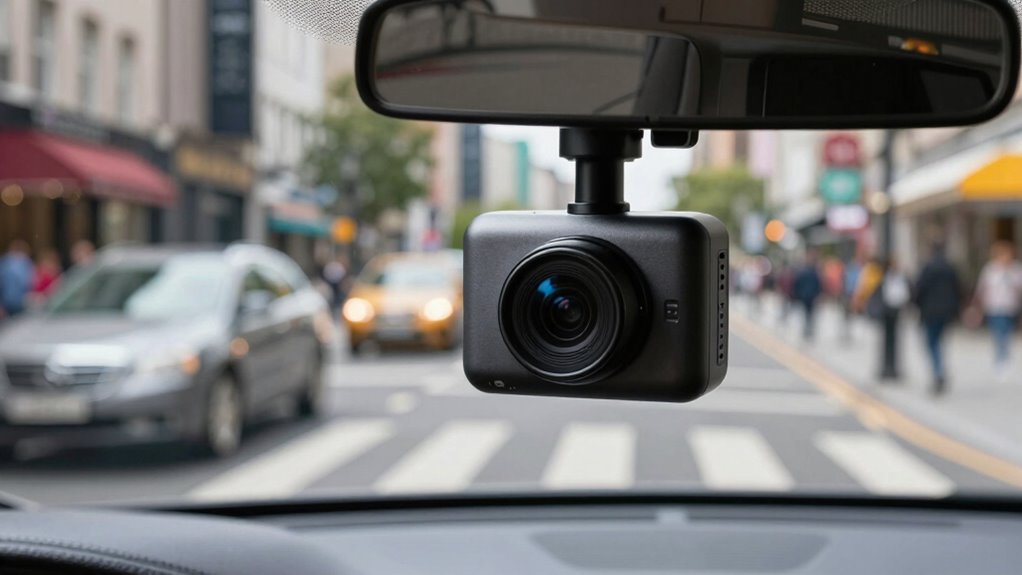

To build safer habits sharing dash cam clips, always review footage for sensitive details and ask for permission when possible. Blur faces and license plates to protect privacy and understand local laws about recording and sharing. Use secure uploads and store videos carefully. Focus on responsible, purpose-driven sharing—like safety or education—rather than sensational content. Developing these practices helps you respect others’ rights and limits risks. Keep exploring to learn more about responsible sharing habits.
Open a free Amazon Business account
Business pricing, bulk buying and tax-exempt orders.
As an affiliate, we earn on qualifying purchases.
Key Takeaways
- Always review footage for personal or sensitive information before sharing online.
- Blur faces, license plates, and identifiable details to protect privacy.
- Understand and comply with local laws and platform policies regarding sharing dash cam videos.
- Seek permission from individuals featured in the footage when possible.
- Use dash cam clips responsibly, prioritizing safety and privacy over sensationalism or views.

Sharing dash cam clips can be a helpful way to document incidents and promote safe driving, but it’s essential to do so responsibly. When you upload or share videos, you might unintentionally expose personal information about other drivers, pedestrians, or bystanders. Privacy concerns are at the forefront of responsible sharing, so it’s crucial to think about who appears in your footage and what details are visible. For example, blurring faces or license plates before posting can help protect individuals’ privacy. Remember, even if the footage captures reckless driving or dangerous behavior, sharing it without considering privacy can lead to unintended consequences, like invasion of privacy or legal repercussions.
Legal considerations also come into play when sharing dash cam videos. Laws regarding the recording and distribution of footage vary depending on your location, so you need to be aware of local regulations. In some areas, recording in public places is legal, but sharing identifiable footage without consent might breach privacy laws or defamation rules. You should understand whether your recordings can be used as evidence or if sharing them could infringe upon someone’s rights. Before posting, consider whether the video could be used in court or if it might expose you to liability. If you’re unsure, consulting with legal counsel or researching local statutes can help you avoid potential lawsuits or penalties.
Building safer habits around sharing dash cam clips involves setting clear boundaries and guidelines. Always review your footage for sensitive information before sharing it online. Avoid posting videos that could reveal personal details, such as home addresses, or that might embarrass or harm others. When in doubt, seek permission from those involved, especially if the footage features identifiable individuals. Additionally, be mindful of the platform where you share videos. Some social media sites have stricter rules about privacy and content, so understanding these policies can help you avoid issues. Incorporating cybersecurity best practices when sharing videos can further reduce risks associated with unauthorized access or misuse. Developing a consistent privacy-conscious mindset ensures that you prioritize respect and safety in your sharing habits. Remember that respecting others’ rights and understanding local privacy laws can prevent legal complications and foster responsible digital behavior.
Finally, cultivate a mindset of responsible sharing. Use dash cam footage primarily as a tool for personal safety, evidence, or education rather than just entertainment. Recognize that once you upload a clip, it can spread quickly and be difficult to control. Prioritize respect for privacy and legality over sensationalism or getting quick views. By consistently applying these principles—considering privacy concerns, adhering to legal considerations, and practicing thoughtful sharing—you build safer habits that protect both your interests and those of others.
dash cam privacy blurring software
As an affiliate, we earn on qualifying purchases.
As an affiliate, we earn on qualifying purchases.
Frequently Asked Questions
How Do I Verify the Accuracy of Dash Cam Footage Before Sharing?
You verify the accuracy of dash cam footage by checking for clear, unaltered images and timestamps that match the incident. Be mindful of privacy concerns and avoid sharing footage that contains sensitive information or bystanders without consent. Cross-reference the footage with other evidence if possible. Always consider footage authenticity to guarantee it’s genuine, and review the clip carefully before sharing to avoid spreading misinformation or violating privacy.
What Legal Consequences Exist for Sharing Dash Cam Videos Publicly?
Sharing dash cam videos publicly can lead to legal liability if you violate privacy rights or disclose sensitive information. You might face lawsuits or fines if you unintentionally reveal personal details or identities without consent. To avoid legal consequences, respect privacy concerns, blur faces or license plates, and understand local laws. Always consider the potential impact on others before posting dash cam footage online, ensuring you act responsibly and legally.
How Can I Protect the Identities of Other Drivers in My Clips?
To protect other drivers’ identities, you should focus on facial anonymization and license plate blurring. Use editing tools to obscure faces and license plates alike, ensuring anonymity and privacy. Apply these techniques consistently, review your clips carefully, and double-check that no identifiable details remain. By facial anonymization and license plate blurring, you respect others’ privacy, prevent potential legal issues, and share footage responsibly and ethically.
Are There Specific Platforms Better Suited for Sharing Dash Cam Footage Safely?
You should choose platforms that prioritize privacy concerns and have strong platform security. Look for services with end-to-end encryption, strict privacy policies, and options to control who views your footage. Consider sharing clips on specialized forums or social media groups with privacy settings that limit access. Avoid public or unsecured sites to safeguard identities and reduce risks. Always review platform policies to verify your dash cam footage remains secure and respectful of others’ privacy.
How Often Should I Review and Update My Sharing Safety Practices?
You should review and update your sharing safety practices at least every six months. With 79% of people concerned about privacy, staying current helps you address new privacy concerns and adapt to evolving storage solutions. Regular reviews ensure your footage sharing remains secure, and any storage solutions you use stay effective. Staying proactive keeps your privacy protected and your habits aligned with best safety practices, reducing risks over time.
As an affiliate, we earn on qualifying purchases.
Conclusion
Building safer habits around sharing dash cam clips not only protects your privacy but also helps prevent legal issues. Remember, nearly 60% of drivers admit to sharing footage without considering the consequences. By being cautious, cropping sensitive information, and understanding your local laws, you can enjoy the benefits of sharing your clips responsibly. Stay vigilant, respect privacy, and keep your sharing habits safe—it’s the best way to enjoy your dash cam’s full potential without risks.
As an affiliate, we earn on qualifying purchases.
dash cam permission request form
As an affiliate, we earn on qualifying purchases.
As an affiliate, we earn on qualifying purchases.
Flea & tick season Picks
flea and tick prevention
As an affiliate, we earn on qualifying purchases.