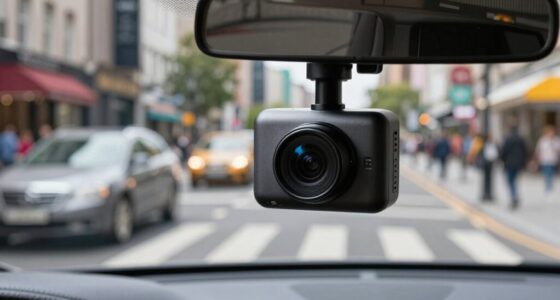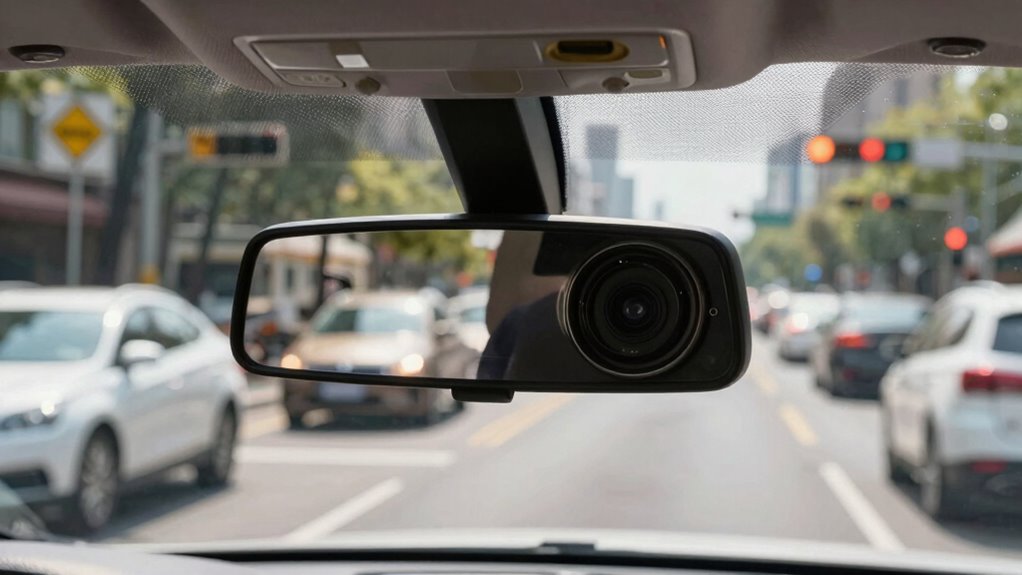

You might think dash cam laws are simple because many people assume one-size-fits-all rules apply everywhere. However, laws vary widely by region, with differences in camera placement, audio recording, and privacy expectations. Privacy concerns and local regulations can complicate things, meaning what’s legal in one place may not be in another. Staying compliant means understanding these nuances. If you want to avoid accidental violations, you’ll find that the details matter more than you might expect.
Open a free Amazon Business account
Business pricing, bulk buying and tax-exempt orders.
As an affiliate, we earn on qualifying purchases.
Key Takeaways
- Many people assume dash cam laws are straightforward due to general safety and recording benefits.
- The complexity arises from regional differences in privacy, recording areas, and audio consent laws.
- Lack of awareness about specific local regulations creates a false sense of simplicity.
- Misconceptions about legal protections can lead to underestimating potential legal risks.
- Evolving legislation and privacy concerns make the legal landscape more complicated than it initially appears.
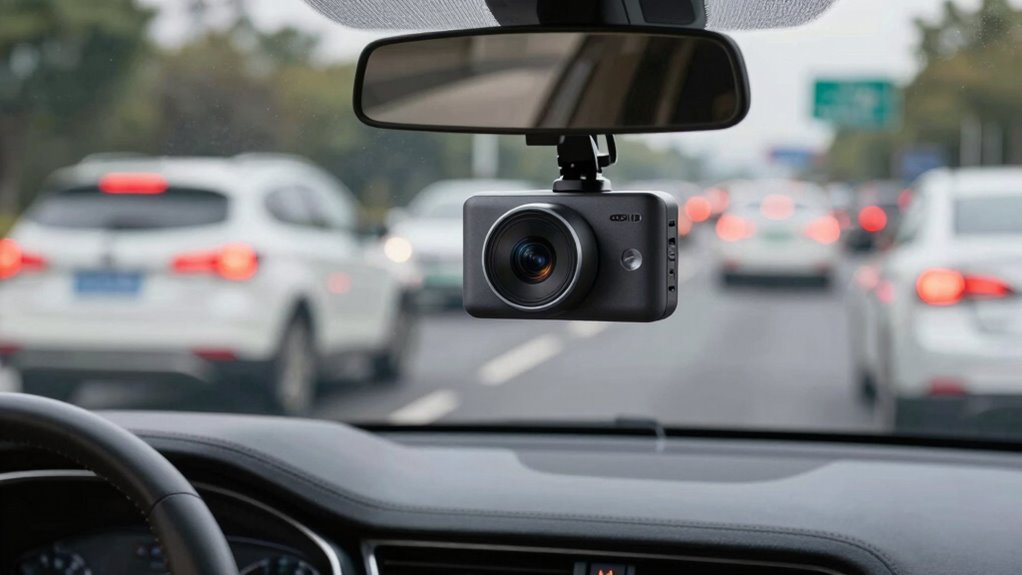
Many people assume that installing a dash cam is straightforward and that laws governing their use are simple to understand. You might think, “It’s just a camera, after all,” and assume there are clear-cut rules to follow. However, the reality is a lot more complex. Laws surrounding dash cams vary widely depending on your location, and they often involve nuances related to privacy concerns and legal compliance that can trip you up if you’re not careful. While it may seem like a simple matter of mounting a device and hitting record, there are legal boundaries you need to respect.
One of the biggest misconceptions is that dash cam laws are uniform across states or countries. In reality, some places have strict rules about where cameras can be pointed or what kind of footage can be recorded and stored. For example, recording audio along with video might be legal in one jurisdiction but could violate wiretapping laws elsewhere. This is where privacy concerns come into play—your dash cam could inadvertently record private conversations or images of people in their homes or private spaces, leading to legal trouble if you’re not cautious. Many jurisdictions require that you respect individuals’ privacy, meaning you should avoid recording in areas where people expect privacy, such as inside homes or private yards. Additionally, understanding privacy laws can help you navigate what’s permissible when recording in public versus private settings. Being aware of the recording regulations specific to your area can prevent unintentional violations and ensure that your footage remains legally compliant.
Legal compliance isn’t just about what you record but also how you handle that footage. If you’re involved in an accident and rely on dash cam footage as evidence, you must understand how to properly store and share that data. Failing to do so could lead to accusations of tampering or illegal recording. Additionally, laws about public recording can be tricky—what’s permissible in one area might be illegal in another. Some regions have strict rules about using dash cams for surveillance or recording without consent, and ignoring these can result in fines or legal action. Moreover, the storage and sharing of footage may be subject to specific regulations that vary by jurisdiction, so knowing these can help you avoid unintentional violations. Properly managing the footage, including how it’s stored and who has access, is crucial to remaining within legal boundaries. It’s also important to keep up with changes in legislation, as laws regarding recording and privacy are constantly evolving.
Furthermore, many drivers assume that once their dash cam is installed, they’re protected from liability or legal consequences. That’s not always true. You need to be aware of local laws regarding the placement and use of your device to avoid violations. Even if you’re well-intentioned, a simple mistake—like pointing your camera too far outward or recording outside of legal boundaries—can lead to unintended legal issues. That’s why understanding the specifics of privacy concerns and legal compliance is essential. The laws aren’t as simple as they appear at first glance, and taking the time to familiarize yourself with local regulations ensures you stay within the law and protect everyone’s rights. Ignorance of these rules can inadvertently put you in legal jeopardy, which is why ongoing awareness is critical. Staying informed about dash cam regulations and respecting people’s privacy can help you avoid costly legal mistakes.
dash cam with GPS and audio recording
As an affiliate, we earn on qualifying purchases.
As an affiliate, we earn on qualifying purchases.
Frequently Asked Questions
Do Dash Cam Laws Vary Significantly Between States?
Yes, dash cam laws do vary considerably between states. You need to be aware of rules regarding driver privacy and recording ethics, as some states require both parties’ consent for recording, while others don’t. These differences can impact how you use your dash cam legally. It’s essential to research your state’s specific regulations to avoid legal trouble and respect privacy boundaries while recording your drives.
Are There Specific Restrictions on Recording Audio With Dash Cams?
While dash cam laws often seem straightforward, audio recording restrictions introduce complexity. You can record video openly, but legal considerations often restrict audio capture without consent, varying by state. Some states require all-party consent, making audio recording legally risky if you’re unaware of local laws. You should always check your state’s specific audio recording restrictions to avoid legal issues, as what’s permissible in one jurisdiction may be illegal in another.
Can Dash Cam Footage Be Used as Legal Evidence in Court?
Yes, dash cam footage can be used as legal evidence in court, provided it meets criteria for legal admissibility. You should guarantee the footage is unaltered and properly stored to avoid challenges. However, consider privacy implications, especially if recording in areas where others have a reasonable expectation of privacy. Being aware of local laws helps you balance using footage effectively while respecting privacy rights.
What Are the Privacy Concerns Related to Dash Cam Recordings?
You might worry about privacy rights and data security when using dash cams. These devices can inadvertently record private moments or conversations, raising concerns about consent and misuse. To protect yourself, guarantee your dash cam has secure data storage and delete footage regularly. Be aware of local laws, as recording without consent could violate privacy rights. Balancing safety with respect for privacy helps you avoid legal issues and keeps your data secure.
How Do Law Enforcement Agencies Interpret Dash Cam Footage Regulations?
Did you know over 80% of law enforcement agencies consider dash cam footage vital in investigations? They interpret regulations by balancing driver privacy with the need for clear evidence. Agencies scrutinize footage storage policies to guarantee privacy rights are protected, and they often require specific consent or notice for recording. This careful approach helps law enforcement use dash cam footage effectively without infringing on driver privacy rights.
privacy compliant dash cam for legal recording
As an affiliate, we earn on qualifying purchases.
As an affiliate, we earn on qualifying purchases.
Conclusion
While dash cam laws may seem straightforward at first glance, they often hide subtle nuances that can catch you off guard. It’s worth taking the time to understand these rules fully, so you don’t unintentionally stumble into complications. Think of it as tending a delicate garden—you want to nurture your peace of mind and avoid letting small oversights grow into bigger worries. Staying informed helps keep your journey smooth and worry-free.
dash cam with adjustable mounting for regional laws
As an affiliate, we earn on qualifying purchases.
As an affiliate, we earn on qualifying purchases.
dash cam storage and sharing security
As an affiliate, we earn on qualifying purchases.
As an affiliate, we earn on qualifying purchases.
Fall yard work Picks
leaf blowers
As an affiliate, we earn on qualifying purchases.