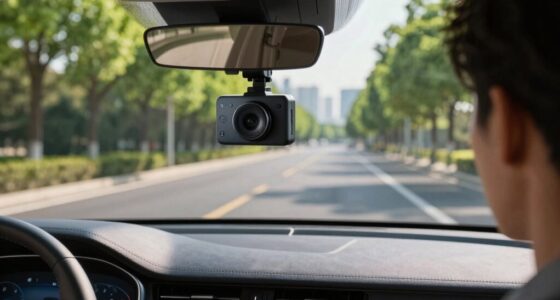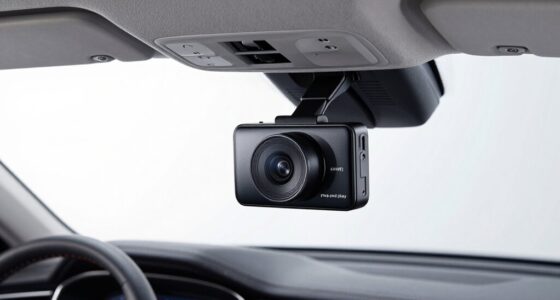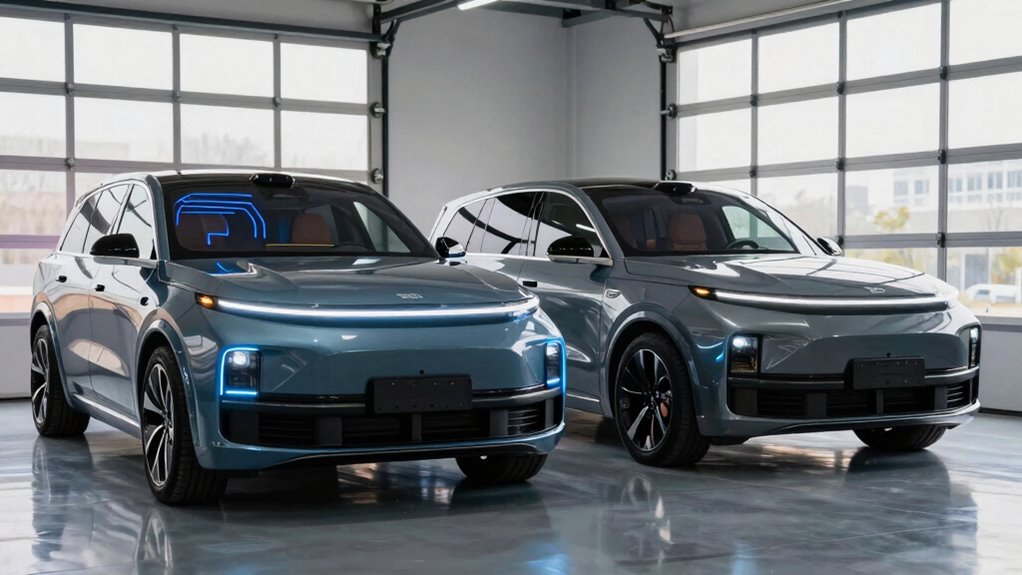

When evaluating car tech, you’ll notice two distinct categories: the cool features that wow but may not enhance your experience, and the useful tools that genuinely make driving safer and easier. Things like adaptive cruise control and lane departure warnings offer real benefits, while flashy screens can complicate controls. Prioritizing practicality guarantees you’re investing in technology that will stand the test of time. Discover more insights on choosing the right tech for your needs.

Get business pricing on garage and car supplies
- Business-only prices and quantity discounts
- Tax-exempt purchasing
- Multiple users, one account, clear invoices
Key Takeaways
- Functionality vs. Flashiness: Cool tech often prioritizes aesthetics, while useful tech focuses on enhancing functionality and user experience.
- Practicality in Features: Useful car tech includes features like adaptive cruise control, which improves safety and convenience during driving.
- User Experience: User-friendly interfaces and seamless controls are essential in useful tech, while cool features may complicate the driving experience.
- Long-term Relevance: Evaluate car technology based on its longevity; useful features remain relevant and beneficial over time, unlike many trendy gadgets.
- Safety and Reliability: Prioritize technologies that enhance safety, such as lane departure warnings, rather than those that merely look impressive.
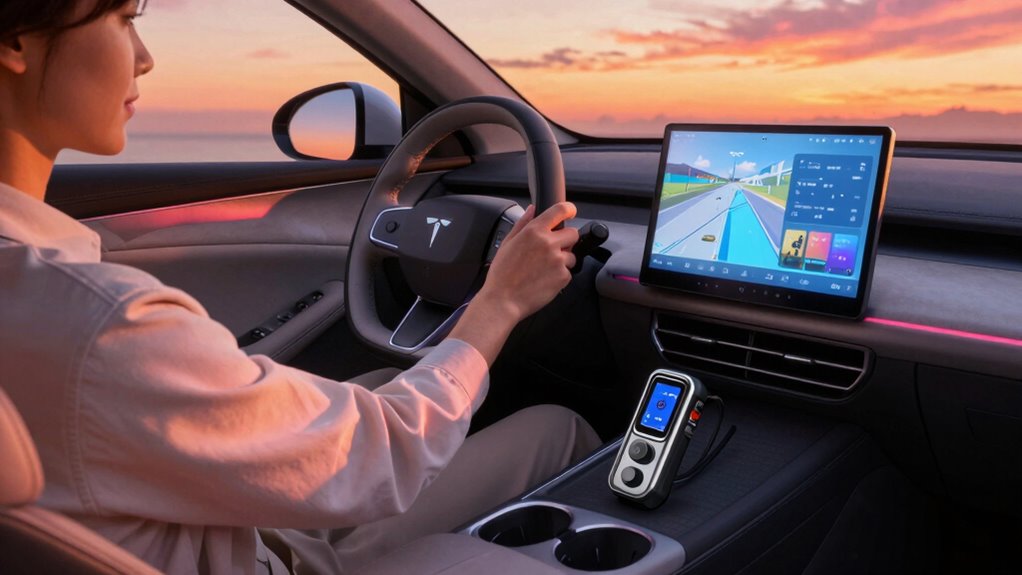
As you explore the latest advancements in car technology, you’ll quickly notice a divide between what’s cool and what’s truly useful. It’s easy to get caught up in the allure of futuristic gadgets—things that look impressive on a showroom floor but might not enhance your driving experience. Think about those flashy touchscreens that seem to do everything but still leave you fumbling for the basic controls. They catch your eye, but do they really make your life easier?
Exploring car technology reveals a gap between eye-catching gadgets and truly useful features—often, simplicity enhances the driving experience far more.
On the other hand, practical features often slip under the radar. While they may not have the wow factor of a holographic dashboard, they serve a purpose that can greatly improve your daily driving. Consider adaptive cruise control. It’s not as flashy as a self-parking feature, but it can take the stress out of highway driving. You’ll find you can maintain a safe distance from the car ahead without constantly adjusting your speed, allowing for a more relaxed journey.
Then there are safety technologies, which tend to fall into the useful category. Lane departure warnings and automatic emergency braking might not be the most exciting features, but they can prevent accidents and save lives. These practical features make your vehicle safer and more reliable, proving that sometimes, utility trumps aesthetics. Understanding automotive safety features can help you prioritize the technologies that truly matter. Additionally, recognizing the difference between cool and useful tech can prevent you from investing in features that might quickly become outdated or underused. Being aware of technological longevity is key to making smart investments in your vehicle’s equipment.
When evaluating car tech, it’s essential to think about how these features fit into your lifestyle. Do you really need a 360-degree camera system for parking, or would a simple backup camera suffice? While both are useful, the latter may save you money and provide everything you need. Similarly, voice-activated controls sound impressive, but if they don’t work seamlessly, you’ll find yourself reverting to manual controls anyway. Incorporating user-friendly interfaces can enhance your experience and reduce frustration.
Additionally, understanding the difference between “cool” car tech and useful car tech can help you make smarter choices. As you navigate your options, remember that not all that glitters is gold. Sometimes, the coolest gadgets can become distractions rather than enhancements. You might find yourself overwhelmed by choices that only serve to complicate your driving experience. Instead, focus on features that genuinely make a difference.
Ultimately, the best car tech balances innovation with practicality. You want to invest in tools that streamline your driving and keep you safe, rather than just impress your friends. By prioritizing useful technology over mere aesthetics, you’ll drive a vehicle that truly meets your needs.
As an affiliate, we earn on qualifying purchases.
Frequently Asked Questions
How Does Car Tech Impact Overall Vehicle Safety?
Car tech notably impacts overall vehicle safety by enhancing safety features and improving tech integration. You rely on advanced systems like automatic emergency braking and lane-keeping assist to help prevent accidents. These technologies work together seamlessly, alerting you to potential dangers and even taking action when necessary. By embracing these innovations, you’re not just driving a car; you’re utilizing tools designed to keep you and your passengers safe on the road.
What Are Common Misconceptions About Car Technology Features?
You might think all car tech features are game changers, but that’s not always true. Many users have misleading expectations about what certain features can do. For instance, some believe that advanced driver-assistance systems fully handle driving tasks, but they’re meant to assist, not replace your attention. Understanding the limits of these technologies can help you use them safely and effectively, ensuring you get the most out of your vehicle.
Can Outdated Tech Still Be Effective in Modern Cars?
Yes, outdated tech can still be effective in modern cars. You’ll find that features emphasizing outdated efficiency often provide classic reliability, ensuring your vehicle runs smoothly without the bells and whistles of newer innovations. For example, older engines might lack advanced electronics but offer durability and ease of maintenance. So, while cutting-edge tech is exciting, don’t underestimate the value of tried-and-true systems that keep your car dependable on the road.
How Do Manufacturers Decide Which Features to Include?
Manufacturers meticulously measure feature prioritization, often leaning on consumer feedback to guide their decisions. They analyze trends, track preferences, and assess which tech truly meets drivers’ demands. By balancing buzzworthy innovations with practical applications, they guarantee that every feature serves a purpose. So, when you see a shiny new gadget, remember it’s not just about the glitz; it’s about what you want and need while steering your daily drive.
What Future Trends Should We Expect in Car Technology?
You can expect exciting trends in car technology, like autonomous driving that enhances safety and convenience. Electric vehicles will continue to gain traction, offering eco-friendly options. Smart connectivity will integrate your devices seamlessly, while in-car entertainment systems will transform your driving experience. Advanced navigation will guarantee you never get lost, and vehicle-to-everything communication will improve traffic management and safety. These innovations are shaping the future of driving in amazing ways.
As an affiliate, we earn on qualifying purchases.
Conclusion
In the race between cool and useful car tech, it’s easy to get dazzled by the shiny gadgets that grab your attention. But remember, a car’s true power lies in its ability to enhance your journey. While flashy features may make your heart race, it’s the practical tech that keeps you safe and connected. So, as you hit the road, choose wisely—let the useful tech be your trusty co-pilot, guiding you through every twist and turn.
automatic emergency braking system
As an affiliate, we earn on qualifying purchases.
As an affiliate, we earn on qualifying purchases.
As an affiliate, we earn on qualifying purchases.
Fall Picks
fall essentials
As an affiliate, we earn on qualifying purchases.