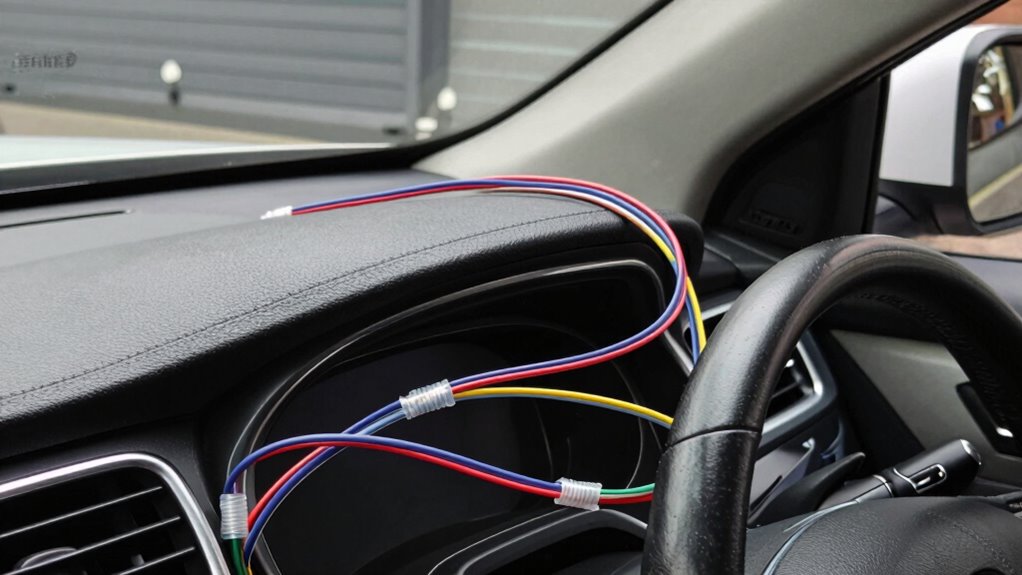

Routing your dash cam wires without considering airbag zones can be dangerous. If you run wires through or near areas like steering wheels, dashboards, or side panels, you risk damaging or dislodging airbags, which could lead to malfunction or accidental deployment during an accident. To avoid such hazards, identify safe wiring routes away from these zones and follow proper installation practices. Stay tuned to learn how to secure your dash cam safely without compromising your vehicle’s safety systems.
Key Takeaways
- Avoid routing dash cam wires through airbag deployment zones like steering wheels and side panels.
- Proper wiring placement prevents damage, dislodgement, or accidental deployment during airbag activation.
- Use existing wiring harnesses and protective clips to keep wires away from airbag zones safely.
- Secure wires loosely to prevent interference with airbag movement or triggering hazards.
- Always follow vehicle manufacturer guidelines to ensure safe wire routing and maintain airbag system integrity.
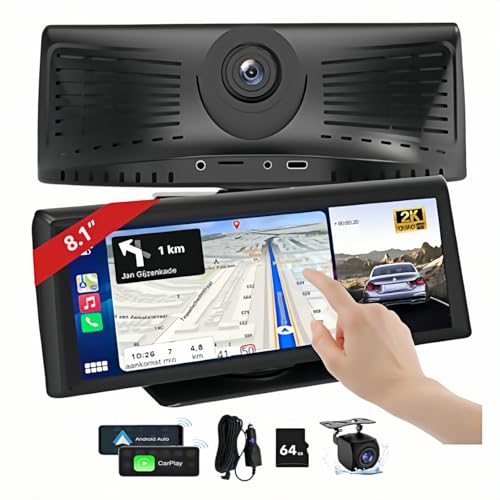
8.1" Wireless Carplay Screen for Car with 2K Dash Cam & 1080P Backup Camera, Portable Touch Screen Car Stereo with Apple Carplay & Android Auto, BT/FM/AUX/GPS Nav/Mirror Link/Voice Control
【High-Definition Touchscreen & Wireless Dual System】: The 8.1-inch high-definition touchscreen wireless carplay screen features wireless Apple CarPlay and...
As an affiliate, we earn on qualifying purchases.
Understanding Airbag Placement and Deployment Areas

Understanding where airbags are placed and how they deploy is essential for appreciating their role in vehicle safety. Airbag safety depends on knowing the specific zones where airbags are installed, such as the steering wheel, dashboard, and side panels. Proper routing of wires around these zones is crucial to avoid wiring hazards that could interfere with deployment. This is especially important in vetted perfect fit living environments where safety and efficiency are prioritized. If wires are not correctly managed, they can become damaged or dislodged, risking malfunction or accidental deployment. This can lead to serious wiring hazards that compromise safety and increase the risk of injury during a collision. Being aware of these placement areas helps you prevent wiring hazards and ensures the integrity of the airbag system. Properly routing wiring around these zones is vital for maintaining effective airbag operation and overall vehicle safety. Additionally, understanding the airbag zones can help in planning maintenance or repairs without risking accidental deployment.

Pioneer DMH-W3000NEX 6.8" Double Din Multimedia Digital Media Receiver, Wireless Apple CarPlay and Android Auto, Bluetooth, Backup Camera Compatible, Touchscreen, One Touch Navigation
Smartphone Integration - Supports wired or wireless Apple CarPlay and Android Auto, enabling seamless integration with your smartphone....
As an affiliate, we earn on qualifying purchases.
Common Mistakes When Routing Dash Cam Wires Near Airbags
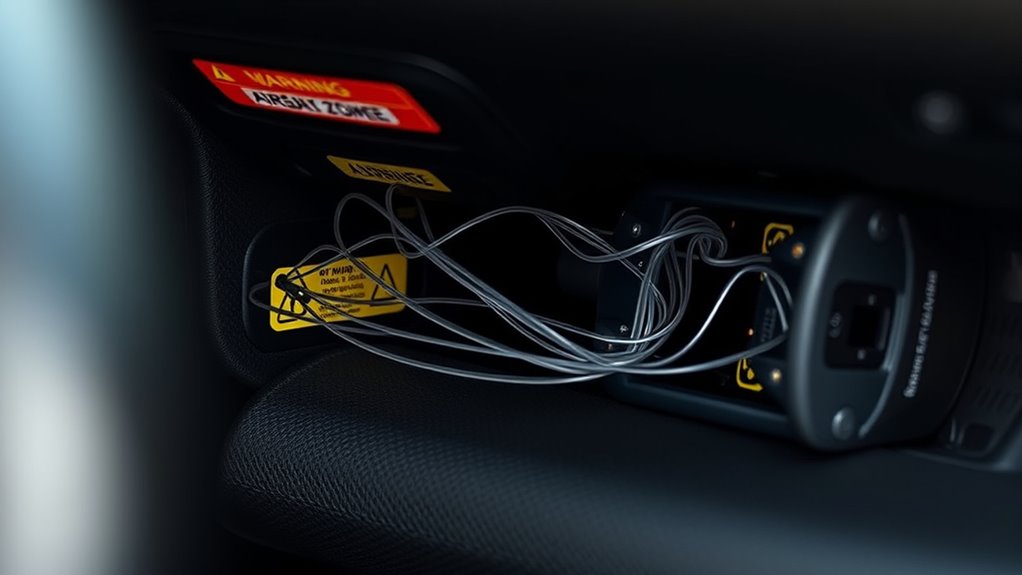
Routing dash cam wires near airbags requires careful attention because improper placement can interfere with airbag deployment and compromise safety. Common mistakes include:
- Running wires across airbag zones, risking wiring hazards during deployment.
- Securing wires too tightly, which can hinder airbag movement or damage the wiring.
- Using adhesive clips or fasteners that aren’t rated for high temperatures or impact, creating potential hazards.
- Ignoring manufacturer guidelines, leading to placement that obstructs airbags or affects their activation.
- Failing to follow proper power tool safety procedures when working around vehicle electrical systems, increasing the risk of injury or damage. Additionally, neglecting to consider vehicle safety systems can lead to improper wire routing, which may interfere with other crucial components. Ensuring your wiring is compatible with airbag zones can prevent accidental damage during installation. Proper routing also helps maintain the integrity of the piercing areas and prevents unnecessary stress on the wires, reducing the likelihood of malfunction. Being aware of airbag deployment mechanics is essential to avoid damaging the system during installation. These errors can delay or prevent airbags from deploying correctly, increasing injury risk. Always plan your wiring route to avoid airbag zones and ensure smooth deployment. Proper routing minimizes wiring hazards and keeps your safety intact during emergencies.

IK9 9" Wireless CarPlay & Android Auto Screen, Portable Car Stereo with 4K Dash Cam & 1080p Rear Camera, CarPlay with Backup Camera, Touch Screen GPS Display, Mirror Link, Apple Car Play Screen
⭐【Wireless Apple CarPlay & Android Auto – Seamless Smartphone Integration】 The IIWEY iK9 brings smart, wireless connectivity to...
As an affiliate, we earn on qualifying purchases.
Identifying Safe Zones for Wiring and Power Sources

To guarantee your dash cam wiring remains safe and effective, you need to identify the proper zones for wiring and power sources. Focus on areas away from airbag safety zones to prevent accidental deployment or damage during a collision. Look for wiring routes that stay close to the vehicle’s interior panels and avoid the steering wheel, dashboard, or side pillars where airbags are stored. Use existing wiring harnesses when possible, as they’re designed to minimize interference and risk. Proper wire routing ensures your dash cam stays secure without obstructing safety features. Remember, the goal is to keep the wiring discreet, protected, and out of airbag deployment zones, reducing the risk of injury or damage caused by improper wiring placement. Additionally, understanding the risks of improper wiring placement can help you avoid potential safety hazards. Being aware of airbag deployment zones can further assist in selecting the safest wiring routes, especially when considering vehicle safety systems. Recognizing the support support breakfast zones within your vehicle can help you find optimal wiring paths that do not interfere with internal components.

Madoec Portable Apple Carplay Screen for Car, 9" Wireless Apple Carplay & Android Auto,4K Dash Cam,1080p Backup Camera DVR,Car Audio Receivers GPS Navigation Mirror Link, Bluetooth,FM, Siri
✅【Wireless Apple Carplay & Android Auto 】 :Even if your car is very old, using Madoec wireless carplay...
As an affiliate, we earn on qualifying purchases.
Step-by-Step Guide to Proper Dash Cam Wiring

Starting your dash cam wiring process carefully guarantees a clean and safe installation. First, plan your route to avoid airbag zones, ensuring wires stay clear of sensors. Second, securely connect the power source, making sure your wiring doesn’t interfere with airbag deployment. Third, perform sensor calibration after installation to ensure proper function. Fourth, regularly check for firmware updates, which can improve performance and safety features. When wiring, use appropriate clips and insulation to prevent shorts. Keep wires hidden but accessible for future maintenance. Proper routing minimizes risks and ensures your dash cam operates smoothly without impacting airbag deployment. Additionally, understanding security zone info concepts like automation can help you troubleshoot and optimize your setup more effectively. Being aware of the airbag zone layout in your vehicle is essential to prevent accidental damage during installation. Following these steps guarantees a secure setup that’s both effective and safe, protecting you and your vehicle.
Tools and Materials Needed for Safe Installation

To install your airbag zone safely, you need the right tools on hand, like screwdrivers, pliers, and wire cutters. You’ll also require materials such as wire sleeves, zip ties, and electrical tape to secure and route the wiring properly. Having these tools and materials ready guarantees a smooth and safe installation process. Additionally, understanding local automation and safety protocols helps prevent errors during installation. Proper filtration and pump protection techniques can ensure the longevity of your installation tools and materials, reducing the risk of damage or failure. Ensuring your tools are properly maintained and protected can also help prevent damage or failure during the installation process. Being aware of device safety standards can further ensure that your setup remains secure and effective over time. Incorporating regular inspection routines can help identify potential issues early and maintain safety compliance.
Tools Required for Installation
Installing an airbag system safely requires gathering the right tools and materials before you begin. You’ll need essential equipment to ensure a secure setup, especially if you’re considering wireless alternatives or aftermarket sensors. Here are the key tools you should have on hand:
- Screwdrivers and trim removal tools for panel access
- Wire strippers and crimpers for connecting sensors and wires
- Multimeter to test connections and power sources
- Cable ties and electrical tape for securing wires and preventing interference
- Knowledge of vehicle safety systems is crucial to avoid accidental deployment or damage during installation.
- Ensuring proper installation procedures helps maintain the integrity of your vehicle’s safety features and prevents costly errors.
- Proper understanding of airbag wiring is essential to identify critical connections and avoid hazards during setup.
- Familiarity with vehicle wiring diagrams can significantly streamline the installation process and reduce errors.
Having these tools ready makes installation smoother and safer. Investing in quality tools reduces the risk of damaging your vehicle’s wiring or compromising the system’s integrity. Proper preparation ensures your dash cam wire route is secure and won’t interfere with the airbag zones.
Materials for Secure Routing
Ensuring your wiring remains secure and organized is vital for a safe airbag system setup. Proper wire management prevents interference with airbags and reduces the risk of damage. For material selection, opt for high-quality cable clips, spiral wraps, and adhesive mounts to keep wires firmly in place. Use flexible conduit or split loom tubing to protect wires from abrasion and heat. Nylon zip ties provide quick, reliable bundling, while non-permanent adhesive pads allow easy adjustments. When choosing materials, prioritize durability and compatibility with your vehicle’s interior. Properly selected and installed materials ensure your dash cam wires stay out of the way, reducing potential hazards. Natural pools can also be integrated into your backyard setup for an eco-friendly alternative. Good wire management not only safeguards your equipment but also enhances overall vehicle safety.
Tips for Inspecting and Maintaining Your Dash Cam Wiring
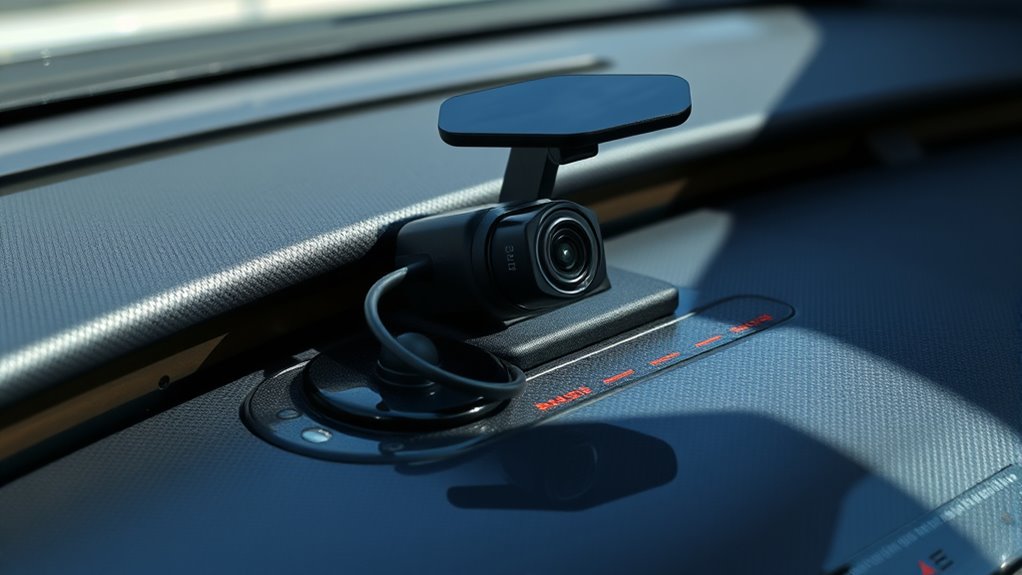
Regularly inspecting your dash cam wiring helps prevent potential issues and keeps your device functioning properly. Focus on checking the wire insulation for cracks or wear, which can expose wires and cause shorts. Ensure power connectors are secure and free of corrosion to maintain a stable power supply. Here are four essential tips:
- Examine wire insulation for any signs of damage or deterioration.
- Confirm that power connectors are tightly plugged in and not loose.
- Look for frayed or exposed wires along the route.
- Clean connectors with a contact cleaner if you notice corrosion.
Frequently Asked Questions
Can Improper Wiring Cause Airbag Malfunction During an Accident?
Yes, improper wiring can cause airbag malfunction during an accident. If your dash cam wires interfere with the airbag zones, it may hinder proper airbag deployment or trigger accidental deployment. You should verify that wiring is routed away from critical airbag areas, following manufacturer guidelines. Proper installation prevents wiring interference, reducing the risk of airbag failure when you need it most. Always have a professional install your dash cam for safety.
Are There Legal Risks Associated With Incorrect Dash Cam Wiring Near Airbags?
If you wire your dash cam incorrectly near airbags, you could face legal risks like liability concerns and insurance implications. Improper wiring might damage the airbag system, leading to potential accidents and disputes over fault. Insurance companies could deny claims if they find negligence or improper installation. To stay safe and avoid legal issues, make certain your wiring is done correctly and professionally, respecting airbag zones and safety guidelines.
How Often Should I Check My Dash Cam Wiring for Safety?
Think of your dash cam wiring as a garden hose that needs regular inspection to prevent leaks. You should check your cable inspection and wiring maintenance at least once every three to six months. Look for frays, loose connections, or signs of wear. Staying vigilant guarantees your dash cam remains safe and functional, especially around airbag zones, reducing the risk of damage or accidents caused by faulty wiring.
What Are the Signs of Damaged Wiring Affecting Airbag Systems?
If your airbag system is affected by damaged wiring, you might notice sensor errors or warning lights activating on your dashboard. These signs indicate that the electrical connections are compromised, potentially preventing airbags from deploying properly in a crash. You should promptly inspect your wiring for visible damage or loose connections and have a professional check your system to make certain of safety and proper functionality.
Is Professional Installation Necessary for Safe Dash Cam Wiring?
You should definitely consider professional installation for safe dash cam wiring, especially to make certain proper dash cam placement and wiring concealment. Experts know how to route wires away from airbag zones, reducing risks of damage or accidental deployment. DIY installation might seem simple, but professionals can guarantee your wiring is secure, neat, and safe, giving you peace of mind that your dash cam won’t interfere with your vehicle’s safety systems.
Conclusion
Remember, proper dash cam wiring isn’t just about neatness—it’s about safety. By understanding airbag zones and following the right steps, you’ll avoid dangerous mistakes that could turn your tech upgrade into a real headache. Think of it like installing a rotary phone in a modern smartphone era—outdated and risky if done wrong. Stay vigilant, double-check your work, and enjoy peace of mind knowing your dash cam is both effective and safe for years to come.