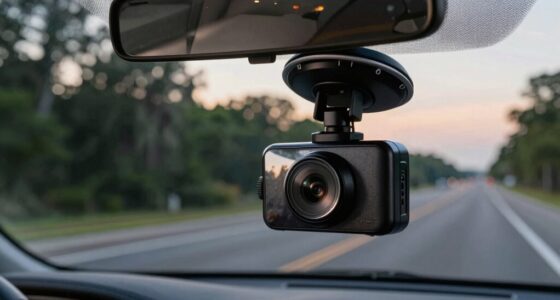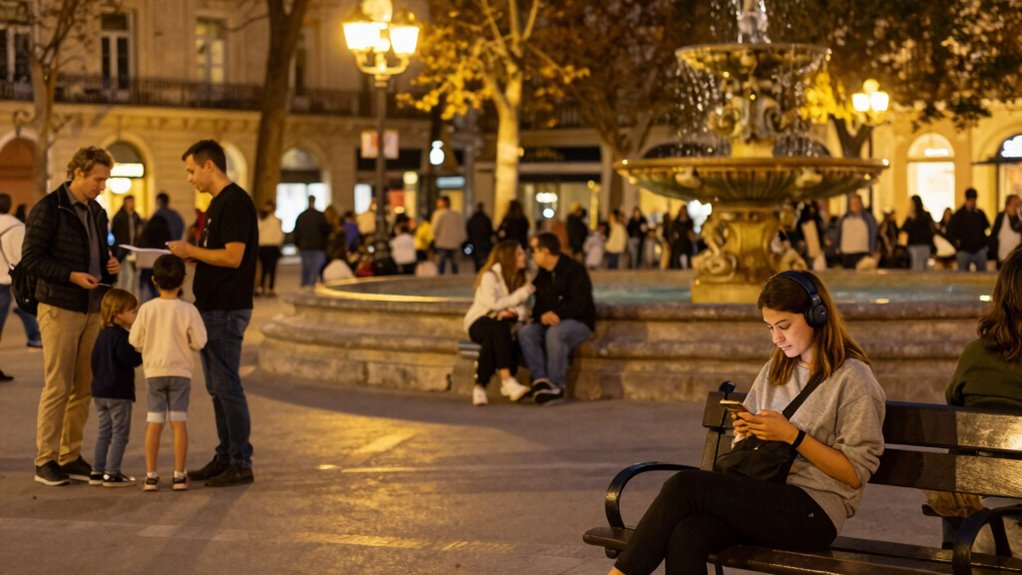

Public spaces are designed to be open and accessible, but that doesn’t mean your privacy ends there. Your personal boundaries still exist within the complex mix of visibility, digital footprints, and surveillance. While cameras and social media change how we share and record moments, they also raise privacy questions. Understanding these dynamics helps you manage your privacy in open areas. If you keep exploring, you’ll discover how privacy continues to evolve amid openness and surveillance.

Get business pricing on garage and car supplies
- Business-only prices and quantity discounts
- Tax-exempt purchasing
- Multiple users, one account, clear invoices
Key Takeaways
- Public spaces are designed for openness but still involve personal boundaries and privacy expectations.
- Digital surveillance balances security with respect for individual privacy rights.
- Sharing in public spaces creates digital footprints that influence long-term privacy.
- Privacy in public depends on context, policies, and individual norms, not just physical openness.
- Respecting diverse privacy expectations fosters social harmony in open environments.
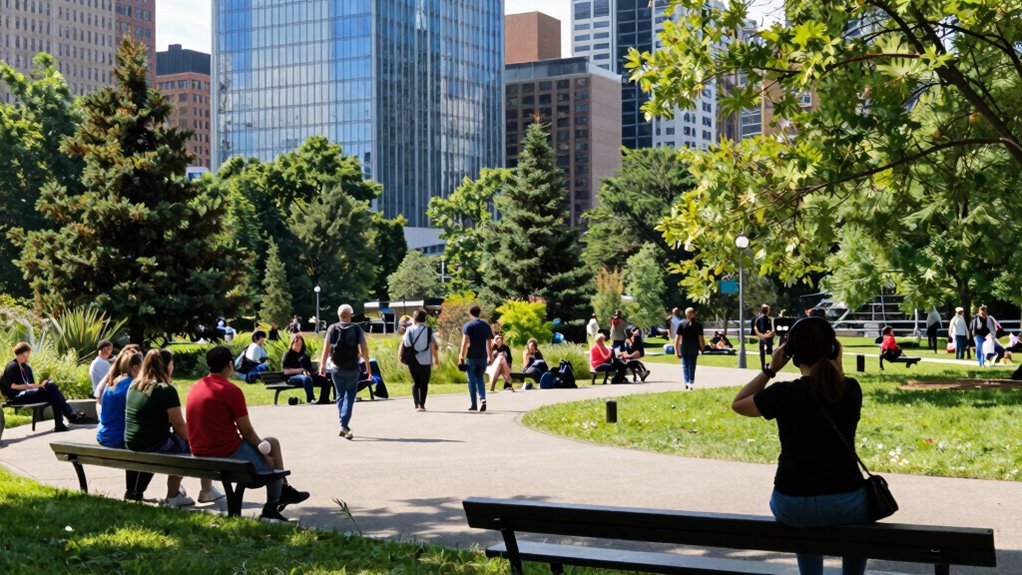
Have you ever wondered how public spaces balance openness with the right to privacy? It’s a tricky dance, especially as digital surveillance becomes more prevalent. When you’re out in a park, on a busy street, or in a public square, it might seem like your personal boundaries are gone. Cameras and monitoring systems are everywhere, making you wonder if your every move is being watched. But the reality is more nuanced. While digital surveillance can track your location or capture your image, it doesn’t automatically mean your privacy is fully compromised. Public spaces are designed to be accessible and open, but that doesn’t mean your personal boundaries are obliterated. Instead, they exist in a complex interplay between what’s visible and what’s private.
Public spaces balance openness with privacy, where visibility doesn’t mean personal boundaries are fully erased.
You might feel comfortable sharing a smile with a stranger or engaging in casual conversations, yet at the same time, you expect your personal information to be protected. Public spaces often have rules that recognize this balance. For example, surveillance cameras might record activity for security but aren’t intended to spy on personal conversations or private moments. This distinction shows that the presence of digital surveillance doesn’t erase all privacy rights; it just shifts the focus to what’s appropriate to monitor and what’s not. You still have a right to personal boundaries, even in a crowded park or city street. It’s about understanding that being in a public space doesn’t mean surrendering all privacy, but rather accepting a different level of exposure.
What complicates this further is the way technology blurs lines. Social media and smartphones turn public moments into shareable content, raising questions about how much of your personal life you’re willing to put out there. The boundaries you set in your mind might clash with the digital footprint you leave behind. It’s essential to recognize that privacy in public isn’t just about physical boundaries; it’s also about digital boundaries. You have control over what you share and how much you want to be observed. That’s why the conversation about privacy isn’t just about physical spaces but extends into digital surveillance and personal boundaries in the modern age. Recognizing the impact of digital footprints can help you make more informed choices about your online presence.
Furthermore, the digital footprint you leave behind in public spaces can have lasting implications beyond immediate privacy concerns. Understanding the concept of personal boundaries in this context helps clarify why ongoing dialogue about privacy is so important. Ultimately, public spaces don’t mark the end of privacy questions—they highlight the need for ongoing dialogue about what privacy means in a world where openness and surveillance coexist. You’re constantly navigating that balance, deciding how much exposure you’re comfortable with while enjoying the freedom that public spaces offer. It’s also crucial to consider how policies and regulations shape the expectations around privacy rights, which can vary widely depending on location and context. Recognizing that privacy expectations vary among individuals can foster a more respectful environment for everyone.
personal privacy protection in public spaces
As an affiliate, we earn on qualifying purchases.
As an affiliate, we earn on qualifying purchases.
Frequently Asked Questions
How Do Cultural Differences Influence Perceptions of Public Space Privacy?
You notice that cultural norms shape how people perceive privacy boundaries in public spaces. In some cultures, personal space is highly valued, so you might feel uncomfortable if someone invades it unexpectedly. In others, openness and social interaction are more accepted, making privacy boundaries more flexible. These differences influence your comfort level, expectations, and behaviors, highlighting that perceptions of privacy in public spaces vary widely across cultures.
What Role Does Technology Play in Monitoring Public Spaces?
Technology acts as an ever-watchful eye, transforming public spaces into digital stages. You’re surrounded by surveillance technology that captures your every move, while data collection quietly compiles details about your habits. This constant monitoring shifts privacy boundaries, making it easier for authorities or corporations to track behaviors. As a result, your right to public space becomes intertwined with the invisible web of surveillance, raising questions about control and personal freedom.
Are There Legal Limits to Privacy in Public Areas?
Yes, there are legal limits to privacy in public areas, shaped by surveillance ethics and privacy legislation. You’re protected from excessive monitoring, and laws restrict how authorities can utilize surveillance tools. These regulations aim to balance security with individual rights, preventing intrusive surveillance practices. While public spaces aren’t private, legal boundaries guarantee your privacy isn’t entirely compromised, holding entities accountable and respecting personal boundaries within monitored environments.
How Do Private Companies Regulate Privacy in Public-Facing Apps?
Think of private companies managing privacy like a tightrope walker balancing carefully. They regulate privacy in public-facing apps through surveillance ethics, ensuring they respect user rights, and data transparency, clearly informing users how their data is collected and used. These companies set policies and implement controls to protect your privacy while providing services. By doing so, they aim to build trust and avoid crossing ethical lines, just like a skilled performer maintaining balance.
Can Public Space Privacy Rights Conflict With Security Concerns?
Yes, your privacy rights in public spaces can conflict with security concerns. Surveillance ethics come into play as authorities balance individual privacy boundaries with the need to guarantee safety. You might feel your privacy is invaded by surveillance, but security measures aim to protect everyone. This tension requires careful consideration, ensuring that security efforts don’t overreach and that your rights remain respected while addressing legitimate safety concerns.
discreet security cameras for outdoor use
As an affiliate, we earn on qualifying purchases.
As an affiliate, we earn on qualifying purchases.
Conclusion
Remember, just because something’s in the public eye doesn’t mean it’s fair game for privacy invasion. Public spaces aren’t a free-for-all; they’re shared environments that still deserve respect and boundaries. As the saying goes, “Just because you can, doesn’t mean you should.” Stay mindful of this balance—respecting privacy isn’t about hiding away, but about knowing when and where it’s appropriate. Ultimately, understanding that public doesn’t mean private helps us navigate these questions more wisely.
As an affiliate, we earn on qualifying purchases.
privacy screen protectors for smartphones
As an affiliate, we earn on qualifying purchases.
As an affiliate, we earn on qualifying purchases.
Halloween Picks
halloween
As an affiliate, we earn on qualifying purchases.