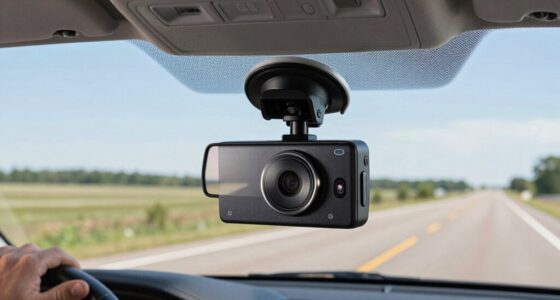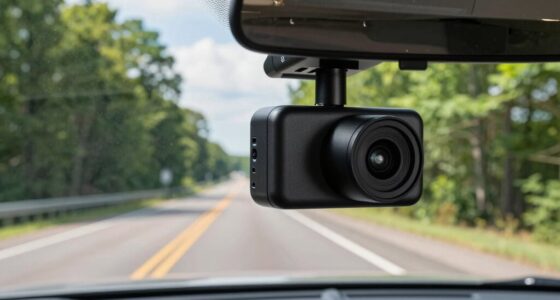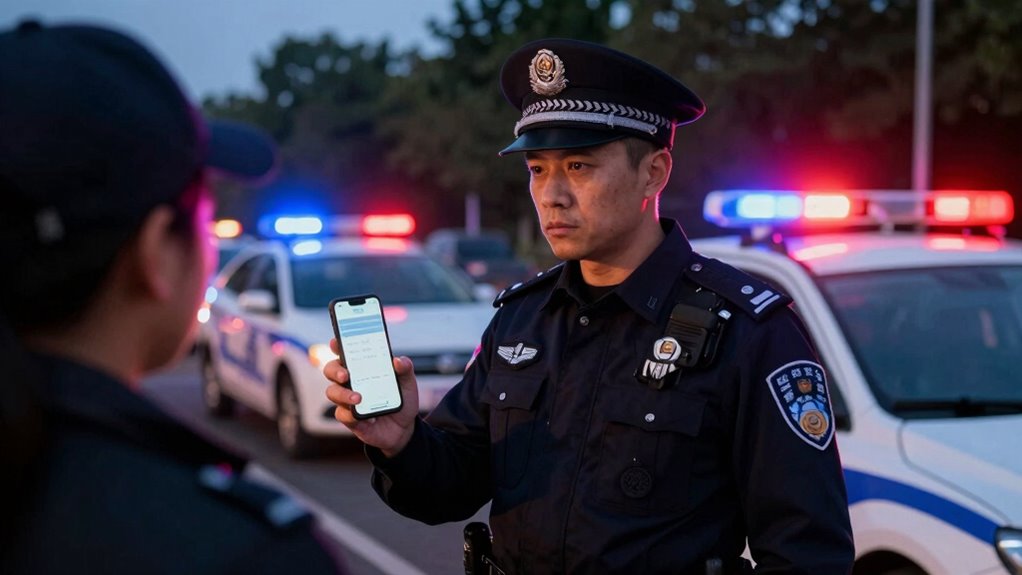

Before recording a police traffic stop, know your rights—generally, you can record public officials, but laws vary by location. Start recording as soon as the stop begins to capture the entire interaction safely and clearly. Stay respectful and calm, and if police ask you to stop, calmly assert your rights. Keep privacy in mind and avoid unnecessary footage. To guarantee your recordings are useful and legal, learn essential tips to stay safe and protected.
Key Takeaways
- Always start recording promptly at the beginning of the traffic stop to capture the full interaction.
- Know your legal rights to record public officials and understand local laws to avoid violations.
- Remain calm, respectful, and non-confrontational when police request to stop or access your device.
- Use a steady, unobstructed angle to ensure clear footage while prioritizing your safety.
- Do not delete or alter recordings; keep digital evidence intact to support your rights and legal protection.
Understanding Your Right to Record
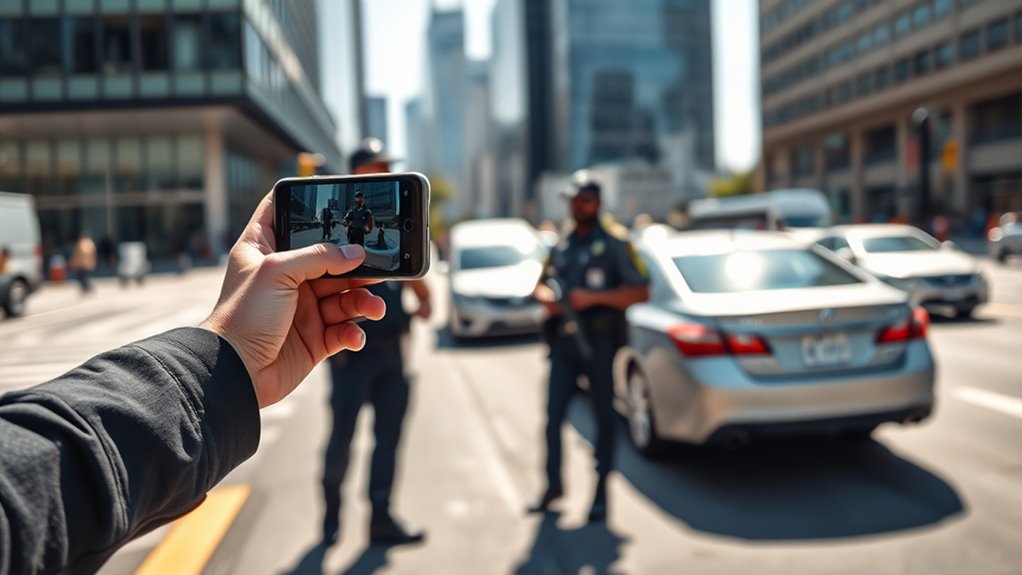
Have you ever wondered if you can legally record a police officer during a traffic stop? It’s crucial to understand your rights and the ethics involved. Legally, in most states, you have the right to record public officials, including police, as long as you’re not interfering with their duties. However, privacy concerns can come into play if you record in private spaces or capture sensitive information. Being mindful of recording ethics means staying respectful and avoiding harassment or intimidation. Your goal should be transparency without breaching anyone’s privacy or crossing legal boundaries. Knowing your rights helps you protect yourself while maintaining ethical standards. Color accuracy is an important aspect of visual clarity, and understanding it can help you better interpret the quality of recordings or images you capture. Additionally, being aware of recording laws in your jurisdiction ensures you stay compliant and avoid legal issues. Staying informed about surveillance regulations can help you avoid unintended violations and protect your rights. It’s also beneficial to familiarize yourself with public recording rights to ensure you’re aware of the scope of your legal protections. Always stay informed about what’s acceptable, and remember that your recordings should aim for accountability and clarity.
Laws Vary by State and Jurisdiction
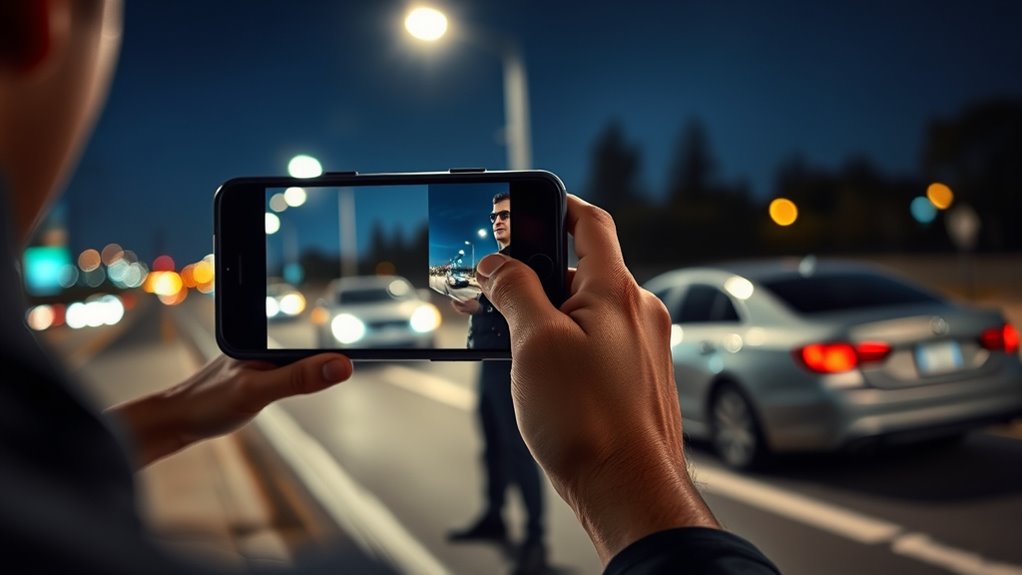
Laws governing the recording of police during traffic stops can differ markedly depending on where you are. State laws and jurisdiction rules shape what you can and can’t do, so it’s crucial to know the specific laws in your area. Some states have explicit protections for recording public officials, including police, while others have restrictions or require consent. Jurisdiction rules may also influence whether recording is allowed in certain locations or situations. Before recording, research your state’s laws to avoid unintentional violations. Understanding your rights can help you navigate these laws effectively. Additionally, being aware of state-specific regulations ensures you stay compliant and protected. Recognize that public recording rights are often protected by law, but restrictions can still apply depending on the context. Remember, even if recording is permitted, how and where you record can impact your legal standing. Staying informed about your state’s laws helps you exercise your rights responsibly and protects you during interactions with law enforcement. Moreover, understanding legal limitations related to recording can prevent potential legal issues. It’s also helpful to familiarize yourself with confidentiality laws that may impact recordings in specific situations.
When to Start Recording a Traffic Stop
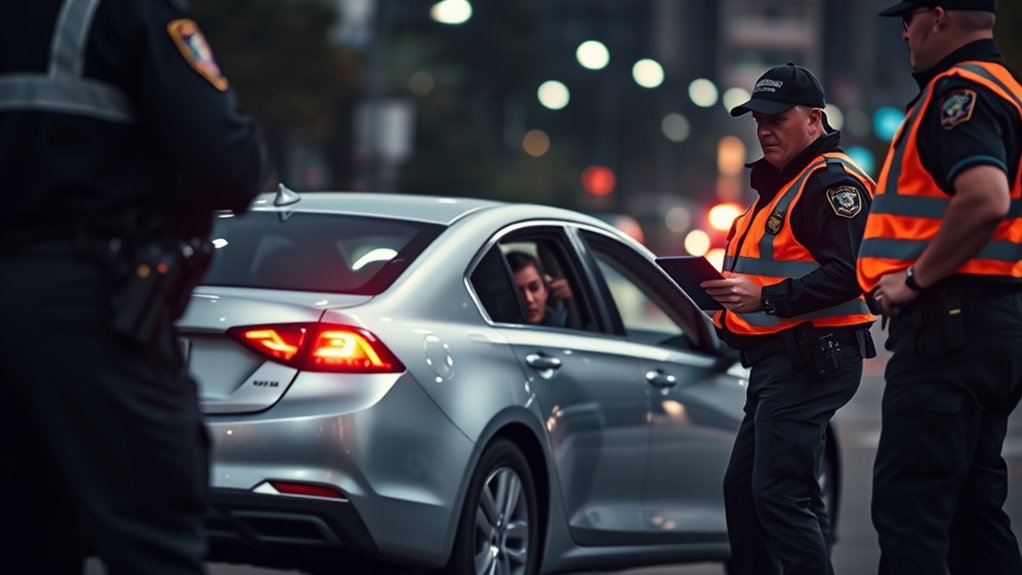
You should start recording as soon as the traffic stop begins to capture the entire interaction. Prioritize your safety and stay alert to any signs that the situation might escalate. Knowing when to record helps you protect your rights while respecting legal boundaries. Additionally, having a clear recording system in place can make the process more organized and confident.
Recognize the Moment
Recognizing the right moment to start recording a traffic stop is essential for capturing important details. Police protocols may influence when officers expect to be recorded, so begin as soon as you notice the stop. Using recording technology proactively guarantees you don’t miss critical interactions, such as officer instructions or driver’s responses. Keep your device ready and visible to avoid appearing intrusive or suspicious. Pay attention to signs that the stop is about to begin—lights flashing or the vehicle pulling over—and start recording immediately. Being prepared allows you to document the entire interaction from the outset, helping to ensure your rights are protected. Timing is key; starting too late might omit vital details, so stay attentive and ready to record at the first sign of a traffic stop. Additionally, understanding home safety principles can help you feel more confident and prepared during unexpected situations, including traffic stops. Being aware of your rights in these moments can also guide you in handling the stop appropriately and safely. Recognizing the natural environment around you can also help in maintaining a calm demeanor during tense interactions.
Ensure Safety First
Starting to record a traffic stop isn’t just about capturing the moment; it’s also about ensuring your safety and the safety of everyone involved. Before hitting record, evaluate the situation carefully—if tensions are high or the environment feels unsafe, prioritize your personal safety first. Make sure your equipment is prepared and accessible, so you can start recording quickly if needed. Keep your hands visible and avoid sudden movements that could escalate the situation. Remember, your primary goal is to protect yourself, so don’t feel pressured to record immediately if it compromises your safety. When you’re in a safe position and ready, start recording smoothly, ensuring you have a clear view of the interaction without distracting yourself from potential hazards. Additionally, understanding manipulation tactics used in high-stress encounters can help you stay aware and avoid being coerced or misled during the encounter.
Understand Legal Limits
Understanding the legal limits of recording during a traffic stop is essential to avoid potential legal issues. You should be aware of your privacy rights and the recording legality in your state. Generally, it’s legal to record public interactions with police, including traffic stops, as long as you’re not interfering or secretly recording in places where privacy is expected. Start recording when the stop begins, but avoid capturing sensitive personal information or private conversations, which could violate privacy rights. Knowing when and how to record helps protect you legally and ensures you’re within bounds. Remember, laws vary by location, so familiarize yourself with local regulations to avoid unintentionally crossing legal limits during your recording. Being aware of vetted wave and wind practices can also help you understand the best ways to record safely and responsibly, especially in public spaces where privacy expectations are different. Additionally, understanding public space recording laws can guide you in maintaining respectful and lawful recording habits.
How to Record Respectfully and Safely
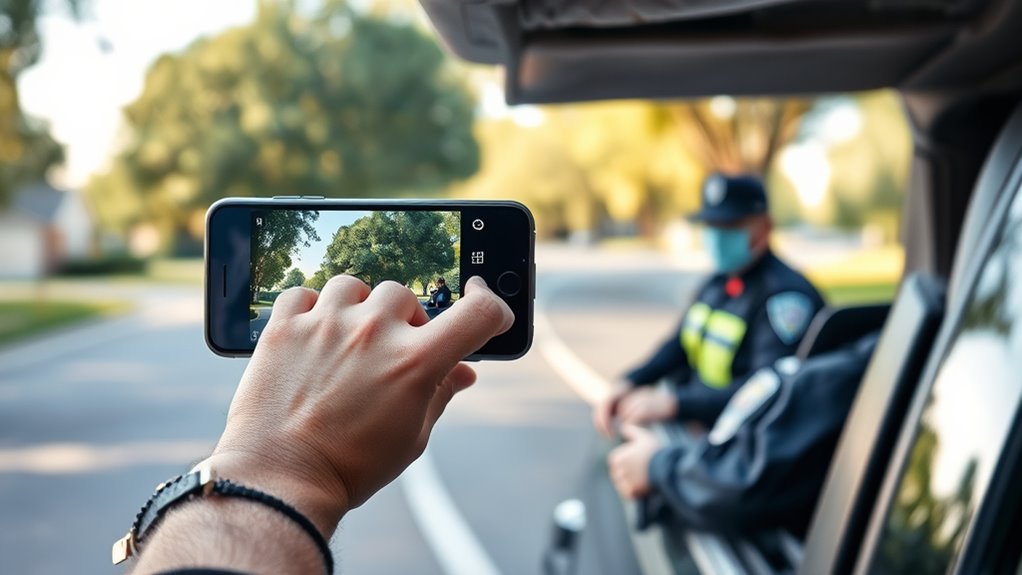
To record a traffic stop respectfully and safely, you should prioritize clear communication and awareness of your surroundings. Respect privacy concerns by avoiding intrusive angles or capturing private moments unrelated to the stop. Stay focused on the event, and don’t record more than necessary. Be mindful of ethical considerations; your goal is to document what’s relevant without escalating tensions or infringing on someone’s dignity. Keep your phone steady and avoid obstructing the officer’s view or movement. Speak calmly if you’re asked questions, and comply with requests that don’t violate your rights. Remember, your safety is paramount—never let filming distract you from your own safety or the situation at hand. Respectful recording helps ensure your rights are protected without causing unnecessary conflict. Additionally, understanding your rights during a police encounter can help you navigate the situation more confidently. Being aware of legal considerations when recording can also prevent unintentional violations. Having knowledge of privacy laws can guide you on what is appropriate to record and what might infringe on others’ rights. Being familiar with law enforcement procedures can also help you stay within legal boundaries while documenting. It’s also wise to stay updated on local regulations since laws regarding recording can vary by jurisdiction.
What to Do if Asked to Stop Recording
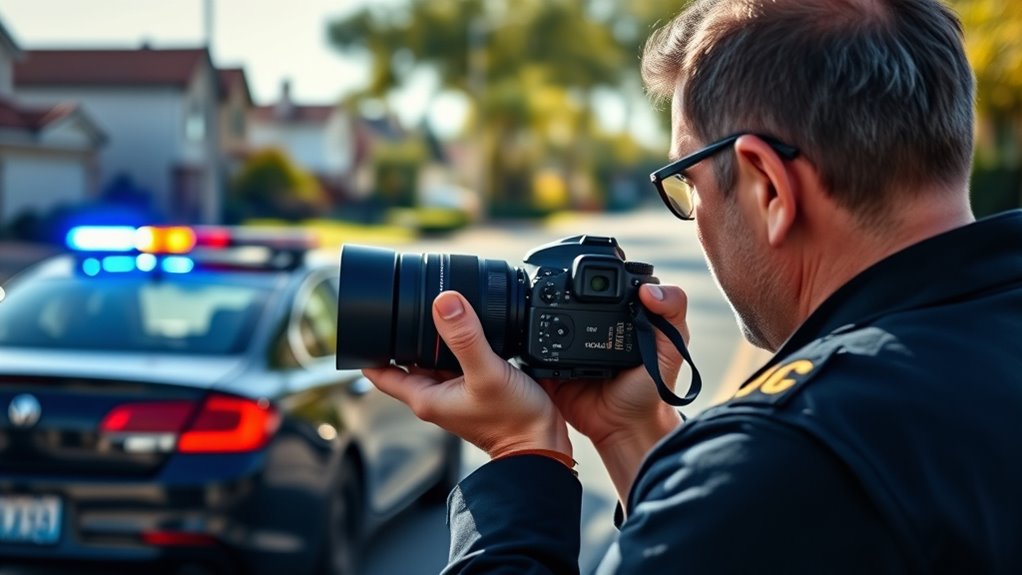
If an officer asks you to stop recording, stay calm and respectful in your response. Clearly state that you have the right to record your interactions and intend to do so peacefully. Knowing your rights helps you handle the situation confidently and protect your own interests.
Respond Calmly and Respectfully
When a police officer asks you to stop recording, staying calm and respectful can help de-escalate the situation. Your emotional responses and body language play a vital role in how the encounter unfolds. Keep your voice steady and avoid reacting with anger or frustration, which can escalate tensions. Maintain an open posture, avoid sudden movements, and show respect through your facial expressions and gestures. Responding calmly demonstrates that you’re cooperative, even if you disagree. Remember, maintaining composure during police interactions can influence the officer’s perception of the situation and possibly prevent it from escalating further. By controlling your emotions and body language, you help create a more peaceful interaction, making it easier to navigate the moment while protecting your rights. Understanding police interactions can empower you to handle these situations more confidently and safely.
Know Your Rights
Knowing your rights is essential if a police officer asks you to stop recording. You have the right to record public interactions, including traffic stops, as long as you do not interfere with law enforcement duties. If asked to stop, calmly state that you are exercising your First Amendment rights and that recording is legal. Be aware that police may raise privacy concerns or claim the need to protect digital evidence, but they cannot demand your device or delete footage without proper legal process. Protect your rights by not physically resisting or deleting recordings on the spot. Knowing these boundaries helps ensure your rights are respected while safeguarding your digital evidence. Stay calm, confident, and informed to handle the situation effectively. Remember that protective styling benefits can also be a reason for certain hair-related interactions, so understanding your rights in various contexts is important. Additionally, being aware of your rights regarding privacy and compliance can help you navigate situations where law enforcement seeks access to your device or data.
Privacy Considerations During Recording

Recording a police traffic stop raises important privacy considerations that you should be aware of. While capturing the event can protect your rights, it also involves respecting privacy concerns and personal boundaries. Be mindful that recording someone, especially during a tense situation, may make them uncomfortable or infringe on their privacy. Avoid focusing on bystanders or bystander conversations that aren’t relevant, as this could lead to privacy issues. Keep your recordings limited to the incident at hand, and don’t share or distribute footage without considering the privacy of those involved. Respecting personal boundaries helps prevent misunderstandings or legal complications. Remember, your goal is to document your experience without unnecessarily invading the privacy of others.
Using Your Phone as Evidence
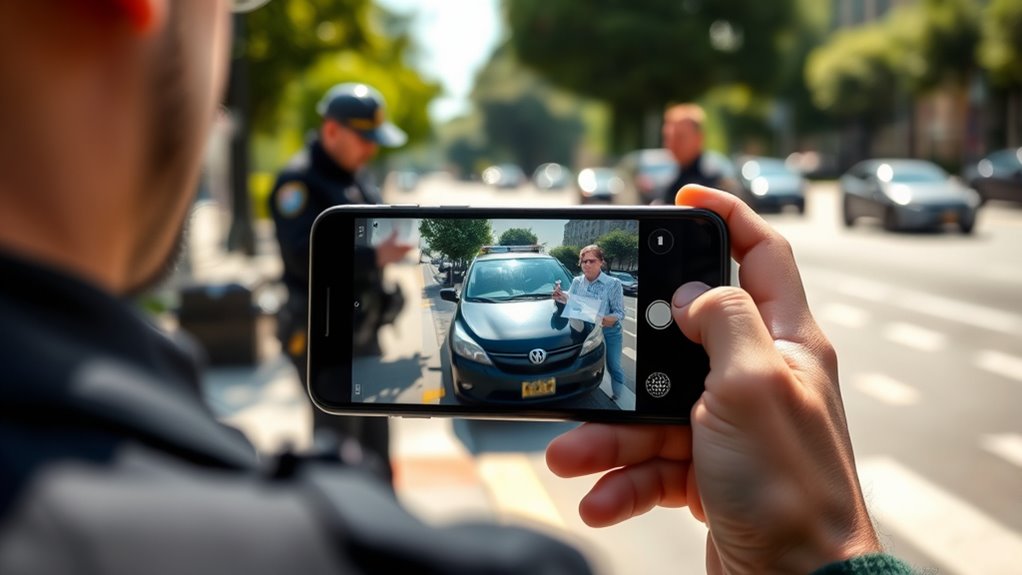
Your phone can serve as powerful evidence if you’re involved in a traffic stop, but it’s vital to use it correctly. First, confirm your recordings are clear and unaltered, as digital evidence can be essential in legal situations. Be aware of privacy concerns—avoid capturing unrelated individuals or private moments that could complicate your case. When documenting interactions, keep your footage focused, and don’t delete or edit recordings, as this can undermine their credibility. Remember, police may request access to your device or recordings, so understand your rights beforehand. Using your phone responsibly helps preserve the integrity of the evidence and protects your privacy. Properly recorded footage can support your account and provide an objective record of the stop.
Common Mistakes to Avoid During a Traffic Stop
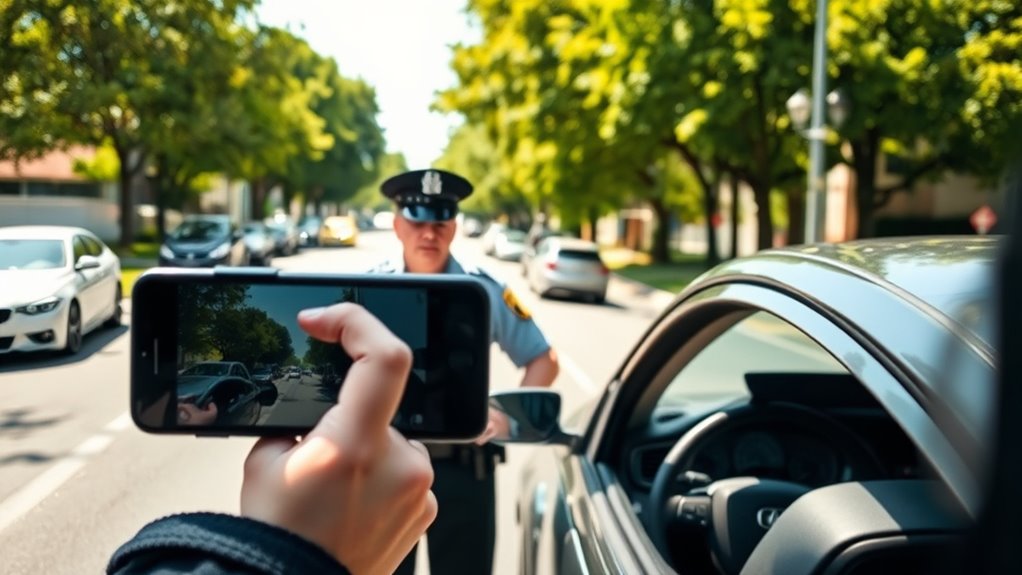
During a traffic stop, it’s easy to make mistakes that could escalate the situation or harm your legal standing. One common error is failing to respect privacy concerns; avoid recording sensitive areas or conversations unrelated to the stop. Technical issues, like poor camera angles or low battery, can also hinder your recording and weaken your evidence. Be mindful of these potential pitfalls:
| Mistake | Consequence |
|---|---|
| Ignoring privacy boundaries | Legal challenges or objections |
| Not checking equipment beforehand | Missing critical footage |
| Letting the camera run improperly | Blurry or incomplete recordings |
| Failing to address technical issues | Loss of valuable evidence |
Stay aware of these mistakes to protect your rights and ensure your recording serves its purpose effectively.
Tips for Staying Calm and Cooperative
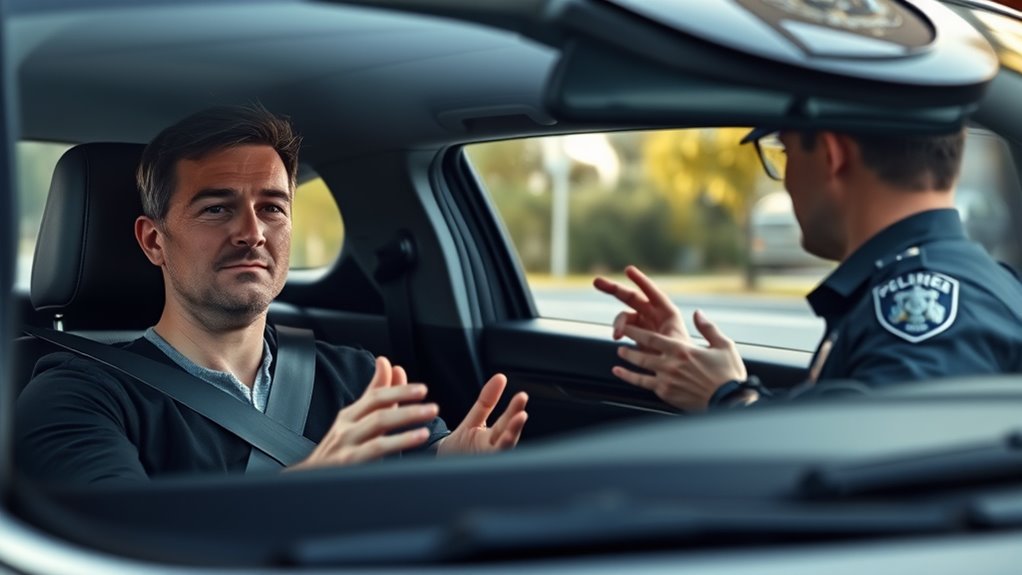
Remaining calm and cooperative during a traffic stop can considerably influence the outcome. Use de escalation techniques like speaking softly, listening patiently, and avoiding sudden movements to defuse tension. Practice emotional regulation by staying aware of your feelings and managing your reactions, even if you feel frustrated or anxious. Take deep breaths if you start to feel overwhelmed, and keep your hands visible to demonstrate cooperativeness. Respond politely to questions, and avoid arguing or giving unnecessary information. Remember, your calm demeanor can help the officer feel at ease, reducing the likelihood of escalation. Staying composed not only protects your safety but also increases the chances of a smooth interaction. Keep your focus on respectful communication, and let your actions demonstrate your cooperation.
Frequently Asked Questions
Can I Record Police Officers Without Their Knowledge?
Yes, you can record police officers without their knowledge in public spaces, but be mindful of privacy concerns and recording etiquette. You have the right to record, but staying respectful and discreet helps avoid escalating the situation. Keep your camera steady, avoid interfering, and know that audio recording laws vary by state. Always focus on your safety and maintaining a calm, respectful attitude while documenting the encounter.
What Legal Consequences Exist for Recording Police?
You can generally record police during a traffic stop, but there are legal consequences if you violate privacy concerns or consent requirements. Laws vary by state, so you might face charges if you record secretly in places where privacy is expected, like homes or private conversations. Always make certain you’re complying with local laws, stay within your rights, and avoid interfering with officers to prevent potential legal trouble.
How Do Recording Laws Differ for Audio and Video?
While capturing moments, you should know that recording laws vary for audio and video. Video recordings are generally protected as visual documentation, but audio recordings often face stricter privacy rights and recording limitations, especially without consent. You need to be aware that some states require one-party consent, while others demand all-party consent. Respect privacy rights, and always stay informed about local laws to avoid unintentional legal trouble.
Are There Penalties for Filming in Restricted Areas?
You can face penalties if you film in restricted areas, especially where privacy concerns exist or in certain public spaces with specific laws. Authorities may view filming as an invasion of privacy or security threat, leading to fines or arrest. Always know the rules of the location, respect privacy boundaries, and avoid areas where filming is explicitly prohibited to prevent legal trouble. Stay informed and act responsibly to protect your rights.
What Should I Do if My Recording Device Is Seized?
If your recording device is seized, act quickly. Over 60% of cases see devices returned within weeks, so stay calm and document the incident. Contact the police department to inquire about privacy concerns and request a receipt for your device. Keep records of your interactions and follow up regularly until your device is recovered. Remaining polite and persistent increases your chances of a swift device recovery.
Conclusion
Remember, recording a traffic stop is your right, but it’s also about staying safe and respectful. Picture yourself holding your phone steady as flashing lights dance in the rearview mirror, capturing the moment clearly. Stay calm, keep your hands visible, and know your rights. By doing so, you create a clear record without escalating the situation. Trust your instincts, stay composed, and let your footage speak for itself.