
TL;DR
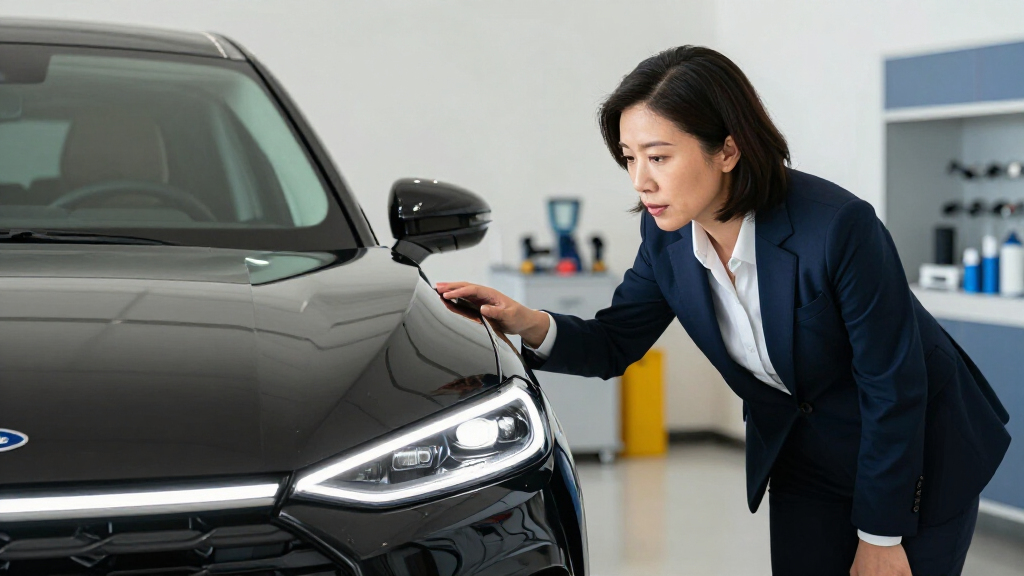
Ford’s CEO has stated that Chinese electric vehicles could enter the U.S. market within 5 to 10 years. This forecast highlights potential future competition for American automakers amid China’s growing EV industry.
Ford’s CEO Jim Farley has publicly stated that Chinese electric vehicles could reach the U.S. market within 5 to 10 years. This projection underscores concerns about increased competition from China as its EV industry expands globally, which could significantly impact American automakers and market dynamics.
During a recent industry conference, Ford CEO Jim Farley emphasized that Chinese EV manufacturers are rapidly advancing in technology and production capacity. He warned that, given China’s aggressive push into electric mobility, Chinese EVs could become available in the U.S. within the next five to ten years. This statement aligns with China’s broader strategy to expand its EV exports and challenge established automakers worldwide.
Farley did not specify which Chinese brands might enter the U.S. or detail the regulatory or trade barriers that could influence this timeline. However, his comments suggest Ford anticipates increased competition and potential market shifts, especially as Chinese companies continue to innovate and reduce costs.
Potential Impact of Chinese EVs on U.S. Market Competition
This forecast signals that U.S. automakers may soon face significant competition from Chinese EV brands, which are known for their aggressive pricing, technological advancements, and government backing. The entry of Chinese EVs could challenge existing market leaders, influence pricing strategies, and accelerate the adoption of electric vehicles in the U.S.
Moreover, this development may prompt U.S. policymakers and automakers to reconsider trade policies, tariffs, and incentives to protect domestic industry interests and ensure consumer choice.

Level 1&2 EV Charger -16Amp Adjustable Current Home Charging Station with 110V-240V NEMA 6-20 Plug & 5-15 Adapter, 25FT Cable Portable Electric Vehicle Car Charger, SAE J1772 Charging Station for Home
- Dual Voltage Compatibility: Supports 110V and 240V power sources
- Adjustable Current Settings: Selectable 6A to 16A charging current
- Overload and Overheat Protection: Automatic current limiting for safety
As an affiliate, we earn on qualifying purchases.
As an affiliate, we earn on qualifying purchases.
Growing Chinese EV Industry and Global Expansion Strategies
China’s EV industry has experienced rapid growth over the past few years, with companies like BYD, Nio, and Xpeng expanding their presence domestically and internationally. The Chinese government has heavily subsidized and supported EV development, making Chinese EVs increasingly competitive on price and technology.
Several Chinese EV brands have already begun exporting to markets in Europe and Southeast Asia, and there are ongoing discussions about entering the North American market. While regulatory hurdles and trade policies could slow this process, industry experts acknowledge that Chinese EVs are poised to become a major global force within the next decade.
In the U.S., automakers like Ford, General Motors, and Tesla are investing heavily in EV development, but the potential arrival of Chinese competitors could alter the competitive landscape significantly.
“Chinese electric vehicles could reach the U.S. market within five to ten years, and that could reshape the competitive landscape for American automakers.”
— Jim Farley, Ford CEO
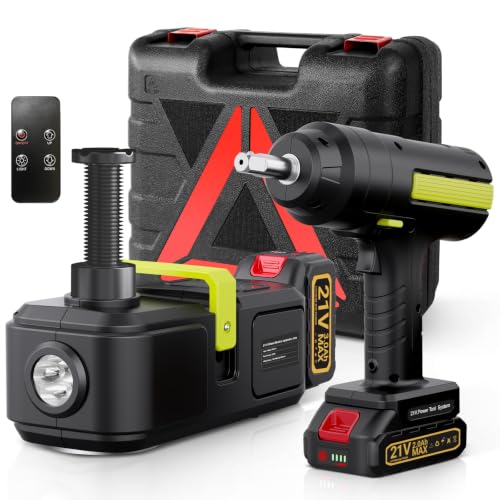
E-HEELP Cordless Electric Car Jack Kit 5 Ton with Battery and Impact Wrench
- Plug and Play Design: Includes two lithium batteries and charger
- High Load Capacity: Supports up to 5 tons, reaches max height in 2 minutes
- Multi-Functional Tool: Includes impact wrench, LED light, and safety triangle
As an affiliate, we earn on qualifying purchases.
As an affiliate, we earn on qualifying purchases.
Details on Timing, Market Entry, and Regulatory Barriers
It is not yet clear which Chinese EV brands might enter the U.S. or the specific regulatory, trade, or tariff hurdles that could influence this timeline. The exact pace of market entry remains uncertain, and U.S. policymakers could implement measures to delay or regulate Chinese EV imports.

2026 Upgraded Level 1&2 Portable EV Charger, 8-16Amp AdjustableCurrent & Timer, 110V-240V, NEMA 5-15 & 6-20 Plug, 21Ft EV Charging Cable, J1772 Electric Car Charger for All PHEV/EV Charging Cord
- Intelligent Adjustable Charging: 4-level current and smart timer
- Universal Compatibility: Works with all J1772 EVs/PHEVs
- Faster Charging Speeds: Up to 4× faster than standard
As an affiliate, we earn on qualifying purchases.
As an affiliate, we earn on qualifying purchases.
Monitoring Industry Trends and Policy Responses
Automakers, policymakers, and industry analysts will closely watch Chinese EV developments, trade negotiations, and U.S. market responses. Future announcements from Chinese companies and government policies could accelerate or slow the timeline for Chinese EVs entering the U.S. market. Additionally, U.S. automakers are expected to ramp up their EV offerings in response to potential new competition.
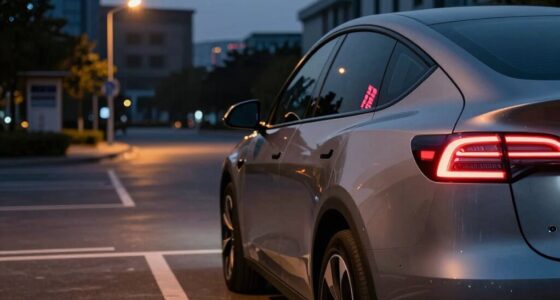
Chinese electric vehicle model 2024
As an affiliate, we earn on qualifying purchases.
As an affiliate, we earn on qualifying purchases.
Key Questions
When might Chinese EVs start entering the U.S. market?
Based on Ford CEO Jim Farley’s statement, Chinese EVs could arrive in the U.S. within 5 to 10 years, but no specific brands or models have been confirmed for this timeline.
What Chinese EV brands are most likely to enter the U.S.?
There are no confirmed brands yet; however, companies like BYD, Nio, and Xpeng are expanding internationally and could be among the first to consider entering the U.S. market.
How might U.S. regulators respond to Chinese EV imports?
Regulatory responses could include tariffs, import restrictions, or safety and environmental standards. The exact measures will depend on trade negotiations and policy decisions in the coming years.
Will Chinese EVs be competitive in the U.S. market?
Industry experts believe Chinese EVs could be highly competitive due to their lower costs and technological advancements, potentially challenging domestic automakers if they enter the market.
Source: rss